
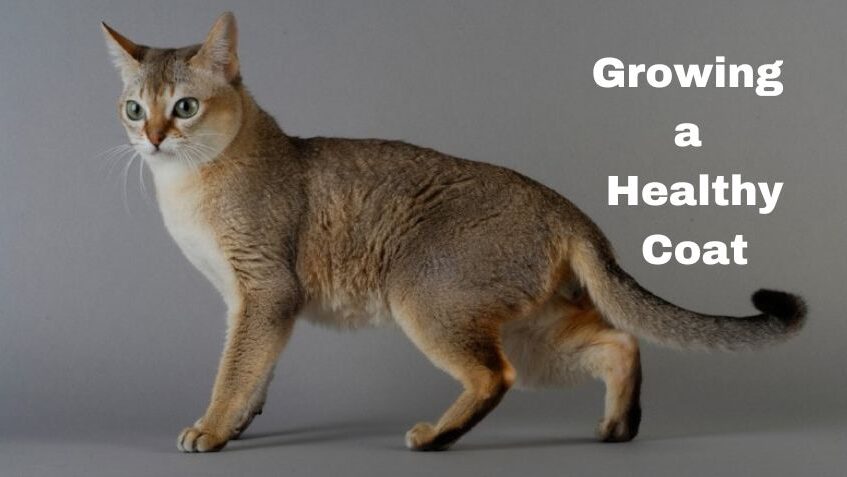
Growing a Healthy Coat
A healthy coat is a sign of a healthy pet.
If you think your pet may be shedding due to an underlying medical condition, it is important to first seek treatment from your veterinary health care team. By following these few simple tips, you will be well on the way to giving your pet a strong, healthy coat:
- Feed your pet good quality food – high in protein, omega 3 and fatty acids such as a super-premium diet.
- Keep fleas and parasites away through regular de-worming and flea treatments.
- Wash your dog regularly. Dirty skin or matted hair encourages bacterial growth and excessive shedding. If your cat no longer grooms him/herself, you may consider regular bathing.
- Brush your pet regularly to help remove dead hairs and stimulate new hair growth and reduce matting. Make sure you have the right type of brush or comb for your pet’s coat.
Here are a few steps to take to address your pet’s hair loss and help keep his coat healthy:
If you suspect the shedding is not normal, consult your vet to rule out a medical problem.
- Consider whether improvements to your pet’s diet may help. Try switching to a high-quality food that contains 100% protein and minerals, fresh meat and oils such as fish, sunflower or coconut oil. Omega supplements may also help.
- Pets with shorter coats should be brushed regularly with a natural-bristle brush, hound mitt or glove with bristles attached. Loosen the hair by brushing in the direction of the growth and/or in a circular motion, then remove the hair by brushing it the other way.
- Pets with longer coats and/or undercoats may need a slicker brush, coat rake or shedding tool that can get past the outer coat to snag the silky hairs beneath. Try brushing in both directions to loosen hairs before pulling them in the direction of growth, then up and away.
- Some experts recommend using a shedding shampoo that can keep your pet’s skin moisturized and less irritated so he’s less apt to scratch and dislodge fur.
- Some pets tolerate or even enjoy being vacuumed regularly to rid them of excess fur. Vacuum attachments made for that purpose are available on shops.
- Whether your pet is a frequent shedder or practically shed-free, you’ll want to do everything you can to maintain the health of his protective fur coat.
Visit your veterinarian as early recognition, diagnosis, and treatment are essential.
You may also visit – https://www.facebook.com/angkopparasahayop


