Leishmaniasis The signs of Leishmaniasis reflect the distribution of the parasite. They commonly include skin problems (especially around the head and pressure points), enlarged lymph nodes and spleen, eye problems, weight loss, lethargy, reduced appetite, nose bleeds, and vomiting ...
Read MoreArchive Animal Disease


Congestive Heart Failure, Left-Sided Failure of the left side of the heart to advance blood at a sufficient rate to meet the metabolic needs of the patient or to prevent blood from pooling within the pulmonary venous circulation. PATHOPHYSIOLOGY ...
Read More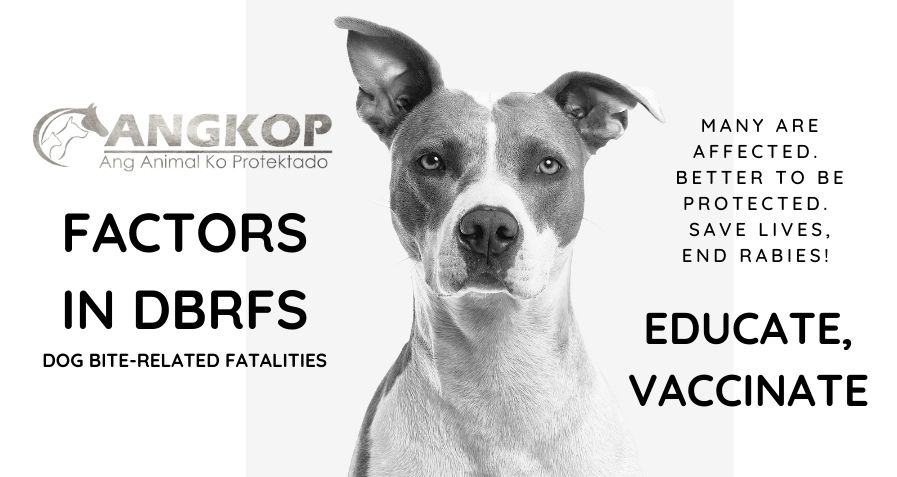
Factors in Dog Bite-Related Fatalities (DBRFs) There are a variety of factors, all having to do with how owners chose to live with and care for their pets that can prevent dog bite-related fatalities. “Prevention is key in eliminating rabies ...
Read More
How Do Dogs Get Rabies? Rabies is secreted through saliva then passes to canines through a bite from an infected animal. They can also become infected if they have a scratch or open wound that’s exposed to contaminated saliva. Once ...
Read More

Congestive Heart Failure, Right-Sided Failure of the right side of the heart to advance blood at a sufficient rate to meet the metabolic needs of the patient or to prevent blood from pooling within the systemic venous circulation. PATHOPHYSIOLOGY ...
Read More
Renal Tubular Acidosis Renal Tubular Acidosis – a syndrome characterized by hyperchloremic metabolic acidosis due either to decreased bicarbonate reabsorption from the proximal renal tubule (proximal or type 2 RTA) or decreased hydrogen ion secretion in the distal tubule ...
Read More
Papillomatosis OVERVIEW Cutaneous mucous membrane lesions of dogs and cats caused by various papilloma viruses. Dogs: oral papillomatosis, venereal papillomatosis, exophytic cutaneous papillomas, cutaneous inverted papillomas, multiple papillomas of the footpad, canine pigmented viral plaques. Cats: feline cutaneous papillomas, ...
Read More
Panting and Tachypnea DEFINITION Tachypnea—increased respiratory rate. Panting—rapid, shallow, open-mouth breathing that is usually not associated with gas exchange issues. PATHOPHYSIOLOGY Respiratory rate, rhythm, and effort are controlled by the respiratory center in the brainstem in response to numerous ...
Read More