
Icterus
Issues
Icterus
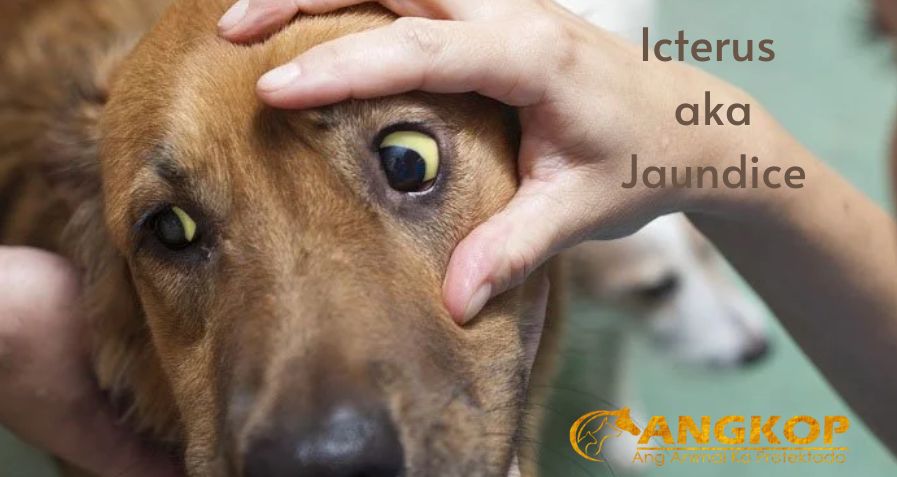
Icterus also known as jaundice is an excessive accumulation of a yellow pigment in the blood and tissues, most easily seen in the gingivae and sclerae.
Increased total bilirubin concentration causing yellow tissue discoloration
PATHOPHYSIOLOGY
- Bilirubin—derived from degradation of heme-containing proteins; most (80%) from senescent erythrocytes; remainder from other heme-containing proteins (e.g., P450 cytochromes, myoglobin).
- Unconjugated bilirubin—transported in plasma bound to albumin; diglucuronide conjugated after hepatocellular uptake.
- Conjugated bilirubin—transported in bile and expelled into the intestines where most is converted to other products: e.g., urobilinogen can undergo enterohepatic circulation, stercobilin colors feces brown.
- Hyperbilirubinemia—caused by increased bilirubin production (increased RBC destruction; hemolytic jaundice); heme exceeding the hepatic capacity for uptake, conjugation, or biliary excretion (hepatic jaundice), or interrupted biliary elimination (post-hepatic jaundice).
- Non-hemolytic jaundice is caused by hepatobiliary disease or bile peritonitis.
SYSTEMS AFFECTED
Skin/Exocrine—skin discoloration (jaundice) reflects serum bilirubin > 2.5 mg/dL.
Hepatobiliary—retained bile acids and markedly increased bilirubin may contribute to hepatocellular injury.
Renal/Urologic—extreme hyperbilirubinemia may cause renal tubular injury.
Nervous—extreme unconjugated hyperbilirubinemia may cause degenerative brain lesions (rare, kernicterus).
SIGNALMENT
Species
Dog and cat
Mean Age and Range
Most causes—diseases of adult animals
Young, unvaccinated dogs—at risk for infectious canine hepatitis
Predominant Sex
Adult female pure-bred dogs—at risk for immune-mediated hemolytic anemia
SIGNS
Historical Findings
Increased Formation—Hemolysis
- Vague signs: lethargy, weakness
- Gastrointestinal signs: anorexia, constipation, vomiting, weight loss
- Jaundice
- Recent blood transfusion
- Severe trauma: bleeding into muscle, abdomen, or hematoma formation
- Rhabdomyolysis (rare cause)
Decreased Elimination—Cholestasis
- Vague GI signs: anorexia, vomiting, diarrhea, change in fecal color: non-obstructive jaundice is green, orange; obstructed jaundice is acholic.
- Jaundice.
- Change in urine color: orange.
- Abdominal enlargement: if ascites.
- Polyuria and polydipsia.
- Altered mentation: if HE.
Physical Examination Findings
Increased Formation—Hemolysis
- Pallor, tachycardia, tachypnea, weakness, bounding femoral pulses, anemic heart murmur
- Jaundice
- Hepatomegaly/Splenomegaly: EMH, RE hyperplasia
- Lymphadenopathy
- Bleeding tendencies—if thrombocytopenic
- Orange feces
- Fever
- “Gelatinous” feel to skin (vasculopathy)
- Rhabdomyolysis: weakness, pain
Decreased Elimination—Cholestasis
- Weight loss
- Jaundice
- Hepatomegaly/Splenomegaly
- Abdominal effusion/Mass/Pain
- Melenic, Orange, Green, or Acholic feces
- Fever
CAUSES
Prehepatic Jaundice
- Hemolytic disorders: immune-mediated hemolysis; certain drugs (propylene glycol carriers in cats, trimethoprim sulfa); SLE; infectious disorders; toxins (e.g. oxidative injury: zinc, onions; phenols); severe hypophosphatemia
- Incompatible blood transfusion
- Infections—FeLV; Mycoplasma haemofelis; heartworm; Babesia; Ehrlichia; Cytauxzoon
- Large volume blood resorption—hematomas, body cavities (e.g. hemangiosarcoma, warfarin)
Hepatic Jaundice
- Chronic idiopathic or familial hepatitis
- Adverse drug reactions—e.g., anticonvulsants; acetaminophen; trimethoprim sulfate; carprofen; stanozolol (cats); benzodiazepines (cats) (see Hepatotoxins)
- Cholangitis/cholangiohepatitis
- Infiltrative neoplasia—lymphoma
- Cirrhosis (dogs)
- Hepatic lipidosis (cats)
- Massive liver necrosis: e.g., aflatoxin, cycad, NSAIDs (carprofen), copper associated injury
- Systemic illnesses with hepatic involvement—leptospirosis (dogs); histoplasmosis; FIP; hyperthyroidism (cats); toxoplasmosis (cats)
- Bacterial sepsis—originating anywhere in the body; may elaborate bacterial products that impair hepatic bilirubin processing/elimination.
Posthepatic Jaundice
- Transient or persistent mechanical bile duct obstruction: (1) pancreatitis (transient obstruction); (2) neoplasia—bile duct, pancreas, duodenum; (3) intraluminal duct occlusion—cholelithiasis, sludged bile, liver flukes (cats), immune-mediated duct destruction (sclerosing cholangitis in cats), GB mucocele (dogs); (4) ruptured biliary tree causing bile peritonitis.
RISK FACTORS
- Young unvaccinated dogs—infectious disease, canine infectious hepatitis.
- Breed predisposition for familial hepatic disease—Labrador retriever, Doberman pinscher, Bedlington terrier, Cocker spaniel, Dalmatian
- Middle-aged, obese dogs—pancreatitis
- Anorectic, obese cats—hepatic lipidosis
- Hepatotoxic drugs
- Blunt abdominal trauma, chronic biliary tract disease, gallbladder mucocele—bile peritonitis
- Hemolytic anemia
DIAGNOSIS
DIFFERENTIAL DIAGNOSIS
- Prehepatic jaundice—usually abrupt onset; mucous membrane pallor; mild to moderate jaundice; weakness; tachypnea; cardiac murmur with severe anemia.
- Hepatic jaundice—breed risk for familial hepatitis; variable jaundice; otherwise, normal mucous membranes; alteration in liver size (large or small); abdominal effusion (pure or modified transudate); polyuria and polydipsia; behavioral abnormalities of HE; coagulopathy.
- Posthepatic jaundice—chronic and/or recurrent bouts of apparent GI signs or pancreatitis with cholelithiasis; moderate or marked jaundice; otherwise, normal mucous membranes; diffuse or cranial abdominal pain; cranial abdominal mass; abdominal effusion (septic, nonseptic, or bile peritonitis); bleeding tendencies; acholic feces unless melena.
LABORATORY FINDINGS
- Disorders That May Alter Laboratory Results
- Bilirubin assay—based on the diazo reaction; assesses direct-reacting and total serum bilirubin; most yield reasonable total bilirubin results; values for direct bilirubin vary.
- Higher readings in heparinized plasma.
- Sample management—important; total bilirubin may decrease by 50% per hour with direct exposure to sunlight or artificial lighting.
- Hemolysis—variable effects on total bilirubin measured by spectrophotometry.
- Lipemia—falsely increases total bilirubin values measured by endpoint assays.
- Fractionation into conjugated and unconjugated—unable to define causes of jaundice, contrary to dogma.
CBC/BIOCHEMISTRY/URINALYSIS
Prehepatic Jaundice
- CBC—severe anemia (usually regenerative); blood smear may reveal autoagglutination, spherocytes, Heinz bodies, or parasites; hemoglobinemia with intravascular hemolysis, normal to low platelets, and normal to high WBCs, with a left shift.
- Biochemistry—normal to high ALT and ALP activity and BUN concentration; normal to low albumin; normal to high globulin; normal glucose and cholesterol; high bilirubin.
Hepatic Jaundice
- CBC—mild nonregenerative anemia; low MCV with chronic liver disease and portosystemic shunting; variable WBC count.
- Biochemistry—mildly to markedly high ALT ± ALP; normal to low albumin, BUN, glucose, and cholesterol.
- Urinalysis—normal to dilute urine; bilirubinuria precedes hyperbilirubinemia; bilirubinuria is important in cats.
Posthepatic Jaundice
- CBC—± mild nonregenerative anemia; variable WBC count.
- Biochemistry—increased ALT and moderate to markedly increased ALP; usually normal albumin, BUN, and glucose concentrations; normal to high cholesterol.
OTHER LABORATORY TESTS
- In-Saline autoagglutination slide test—with suspected RBC agglutination; may have reported high MCV.
- Direct Coombs’ test—submit if no evidence of autoagglutination.
- Osmotic fragility test—detects likelihood of RBC hemolysis tonicity challenge.
- Blood smears—hemoparasites, spherocytes, schistocytes, anisocytosis (regenerative).
- Plasma zinc— if hemolytic anemia.
- ANA—with hemolytic anemia.
- Serum bile acids—redundant if nonhemolytic jaundice already suspected.
- Serology—for infectious diseases (e.g., FeLV, leptospirosis, mycoses) with signs of multisystemic illness and hepatic jaundice.
- Abdominal effusion—characterize cell and protein content.
- Coagulation tests—prolonged values, especially PIVKA and PT, with bile duct occlusion; vitamin K1 responsive.
- Microbial culture and sensitivity—blood ± other specimens if inflammatory leukon and suspected bacterial infection (e.g., urinary tract, biliary tract, liver).
IMAGING
- Abdominal radiography—obscured by effusion; may reveal hepatomegaly, mass effect, mineral or gas interface in liver (emphysematous cholecystitis, choleliths); splenomegaly (hemolytic anemia, portal hypertension, abdominal neoplasia); metallic foreign body with zinc-induced hemolysis.
- Thoracic radiography—may reveal metastatic disease; sternal lymphadenopathy (reflecting abdominal disease); general lymphadenopathy (lymphosarcoma, systemic infection [fungal]).
- Abdominal ultrasonography—may distinguish parenchymal liver disease from extrahepatic biliary obstruction; characterizes hepatic parenchymal lesions; may disclose abdominal neoplasia; may determine cause of abdominal effusion; used to target lesions, fluid, or cystocentesis sampling (aspirates or needle biopsy).
- Fine-needle aspiration—cytology of mass, lymph node, hepatic parenchyma, bile.
- Liver biopsy—bacterial culture of liver, bile, and other specimens obtained via celiotomy, blind percutaneous, keyhole, laparoscopic, or ultrasound-guided techniques.
- Surgical intervention—required for diagnosis and treatment of posthepatic disorders.
TREATMENT
- Depends on underlying cause
- Inpatient—for initial medical care.
- Cage rest—to facilitate liver regeneration or reduce oxygen requirements if severe anemia.
- Diet—important for hepatic and posthepatic jaundice; nutritionally balanced with maximum protein tolerated by patient; carbohydrate based (dogs) with restricted protein for hepatic encephalopathy; restrict sodium if ascites.
- Vitamin supplementation—water-soluble vitamins in all patients; parenteral vitamin K1 for bile duct obstruction or severe cholestasis.
MEDICATIONS
DRUG(S)
- Prehepatic jaundice—eliminate inciting cause; see Anemia, Immune-Mediated; whole blood transfusion for life-threatening anemia.
- Hepatic/Posthepatic jaundice—treat specific disorders based on imaging, biopsy, and culture.
CONTRAINDICATIONS
- Avoid known hepatotoxic drugs.
- Avoid tetracyclines unless clearly indicated—suppress hepatic protein synthesis, promote hepatic lipidosis.
- Avoid analgesics, anesthetics, barbiturates—with hepatic failure.
PRECAUTIONS
- Sedatives—may precipitate HE.
- Corticosteroids—for nonseptic inflammation; increases risk for infection; may aggravate ascites (water and sodium retention), promotes VH (dogs) and hepatic lipidosis (cats).
POSSIBLE INTERACTIONS
Consider influence of altered hepatic metabolism on drug therapy; hypoalbuminemia influences potency of protein-bound drugs, enhancing effects (may lead to toxicity).
FOLLOW-UP
PATIENT MONITORING
- Prehepatic jaundice—recheck PCV and blood smears as needed; may require repeat transfusions; taper immunosuppressive drugs.
- Hepatic and posthepatic jaundice—recheck serum biochemical profile as dictated by underlying disease; continue symptomatic and specific treatments until remission, varies with disease process.
MISCELLANEOUS
ASSOCIATED CONDITIONS
- Patients with immune-mediated hemolysis treated with immunosuppressive doses of corticosteroids are predisposed to thromboembolism, gastrointestinal ulcers, and infection.
- Patients in hepatic failure: are susceptible to infections, enteric bleeding, and ascites.
- Patients with reconstructive biliary surgery have risk for recurrent bacterial cholangitis.
Icter abdomen, or hematoma formation
- Rhabdomyolysis (rare cause)
Decreased Elimination—Cholestasis
- Vague GI signs: anorexia, vomiting, diarrhea, change in fecal color: non-obstructive jaundice is green, orange; obstructed jaundice is acholic.
- Jaundice.
- Change in urine color: orange.
- Abdominal enlargement: if ascites.
- Polyuria and polydipsia.
- Altered mentation: if HE.
Physical Examination Findings
Increased Formation—Hemolysis
- Pallor, tachycardia, tachypnea, weakness, bounding femoral pulses, anemic heart murmur
- Jaundice
- Hepatomegaly/Splenomegaly: EMH, RE hyperplasia
- Lymphadenopathy
- Bleeding tendencies—if thrombocytopenic
- Orange feces
- Fever
- “Gelatinous” feel to skin (vasculopathy)
- Rhabdomyolysis: weakness, pain
Decreased Elimination—Cholestasis
- Weight loss
- Jaundice
- Hepatomegaly/Splenomegaly
- Abdominal effusion/Mass/Pain
- Melenic, Orange, Green, or Acholic feces
- Fever
CAUSES
Prehepatic Jaundice
- Hemolytic disorders: immune-mediated hemolysis; certain drugs (propylene glycol carriers in cats, trimethoprim sulfa); SLE; infectious disorders; toxins (e.g. oxidative injury: zinc, onions; phenols); severe hypophosphatemia
- Incompatible blood transfusion
- Infections—FeLV; Mycoplasma haemofelis; heartworm; Babesia; Ehrlichia; Cytauxzoon
- Large volume blood resorption—hematomas, body cavities (e.g. hemangiosarcoma, warfarin)
Hepatic Jaundice
- Chronic idiopathic or familial hepatitis
- Adverse drug reactions—e.g., anticonvulsants; acetaminophen; trimethoprim sulfate; carprofen; stanozolol (cats); benzodiazepines (cats) (see Hepatotoxins)
- Cholangitis/cholangiohepatitis
- Infiltrative neoplasia—lymphoma
- Cirrhosis (dogs)
- Hepatic lipidosis (cats)
- Massive liver necrosis: e.g., aflatoxin, cycad, NSAIDs (carprofen), copper associated injury
- Systemic illnesses with hepatic involvement—leptospirosis (dogs); histoplasmosis; FIP; hyperthyroidism (cats); toxoplasmosis (cats)
- Bacterial sepsis—originating anywhere in the body; may elaborate bacterial products that impair hepatic bilirubin processing/elimination.
Posthepatic Jaundice
- Transient or persistent mechanical bile duct obstruction: (1) pancreatitis (transient obstruction); (2) neoplasia—bile duct, pancreas, duodenum; (3) intraluminal duct occlusion—cholelithiasis, sludged bile, liver flukes (cats), immune-mediated duct destruction (sclerosing cholangitis in cats), GB mucocele (dogs); (4) ruptured biliary tree causing bile peritonitis.
RISK FACTORS
- Young unvaccinated dogs—infectious disease, canine infectious hepatitis.
- Breed predisposition for familial hepatic disease—Labrador retriever, Doberman pinscher, Bedlington terrier, Cocker spaniel, Dalmatian
- Middle-aged, obese dogs—pancreatitis
- Anorectic, obese cats—hepatic lipidosis
- Hepatotoxic drugs
- Blunt abdominal trauma, chronic biliary tract disease, gallbladder mucocele—bile peritonitis
- Hemolytic anemia
DIAGNOSIS
DIFFERENTIAL DIAGNOSIS
- Prehepatic jaundice—usually abrupt onset; mucous membrane pallor; mild to moderate jaundice; weakness; tachypnea; cardiac murmur with severe anemia.
- Hepatic jaundice—breed risk for familial hepatitis; variable jaundice; otherwise, normal mucous membranes; alteration in liver size (large or small); abdominal effusion (pure or modified transudate); polyuria and polydipsia; behavioral abnormalities of HE; coagulopathy.
- Posthepatic jaundice—chronic and/or recurrent bouts of apparent GI signs or pancreatitis with cholelithiasis; moderate or marked jaundice; otherwise, normal mucous membranes; diffuse or cranial abdominal pain; cranial abdominal mass; abdominal effusion (septic, nonseptic, or bile peritonitis); bleeding tendencies; acholic feces unless melena.
LABORATORY FINDINGS
- Disorders That May Alter Laboratory Results
- Bilirubin assay—based on the diazo reaction; assesses direct-reacting and total serum bilirubin; most yield reasonable total bilirubin results; values for direct bilirubin vary.
- Higher readings in heparinized plasma.
- Sample management—important; total bilirubin may decrease by 50% per hour with direct exposure to sunlight or artificial lighting.
- Hemolysis—variable effects on total bilirubin measured by spectrophotometry.
- Lipemia—falsely increases total bilirubin values measured by endpoint assays.
- Fractionation into conjugated and unconjugated—unable to define causes of jaundice, contrary to dogma.
CBC/BIOCHEMISTRY/URINALYSIS
Prehepatic Jaundice
- CBC—severe anemia (usually regenerative); blood smear may reveal autoagglutination, spherocytes, Heinz bodies, or parasites; hemoglobinemia with intravascular hemolysis, normal to low platelets, and normal to high WBCs, with a left shift.
- Biochemistry—normal to high ALT and ALP activity and BUN concentration; normal to low albumin; normal to high globulin; normal glucose and cholesterol; high bilirubin.
Hepatic Jaundice
- CBC—mild nonregenerative anemia; low MCV with chronic liver disease and portosystemic shunting; variable WBC count.
- Biochemistry—mildly to markedly high ALT ± ALP; normal to low albumin, BUN, glucose, and cholesterol.
- Urinalysis—normal to dilute urine; bilirubinuria precedes hyperbilirubinemia; bilirubinuria is important in cats.
Posthepatic Jaundice
- CBC—± mild nonregenerative anemia; variable WBC count.
- Biochemistry—increased ALT and moderate to markedly increased ALP; usually normal albumin, BUN, and glucose concentrations; normal to high cholesterol.
OTHER LABORATORY TESTS
- In-Saline autoagglutination slide test—with suspected RBC agglutination; may have reported high MCV.
- Direct Coombs’ test—submit if no evidence of autoagglutination.
- Osmotic fragility test—detects likelihood of RBC hemolysis tonicity challenge.
- Blood smears—hemoparasites, spherocytes, schistocytes, anisocytosis (regenerative).
- Plasma zinc— if hemolytic anemia.
- ANA—with hemolytic anemia.
- Serum bile acids—redundant if nonhemolytic jaundice already suspected.
- Serology—for infectious diseases (e.g., FeLV, leptospirosis, mycoses) with signs of multisystemic illness and hepatic jaundice.
- Abdominal effusion—characterize cell and protein content.
- Coagulation tests—prolonged values, especially PIVKA and PT, with bile duct occlusion; vitamin K1 responsive.
- Microbial culture and sensitivity—blood ± other specimens if inflammatory leukon and suspected bacterial infection (e.g., urinary tract, biliary tract, liver).
IMAGING
- Abdominal radiography—obscured by effusion; may reveal hepatomegaly, mass effect, mineral or gas interface in liver (emphysematous cholecystitis, choleliths); splenomegaly (hemolytic anemia, portal hypertension, abdominal neoplasia); metallic foreign body with zinc-induced hemolysis.
- Thoracic radiography—may reveal metastatic disease; sternal lymphadenopathy (reflecting abdominal disease); general lymphadenopathy (lymphosarcoma, systemic infection [fungal]).
- Abdominal ultrasonography—may distinguish parenchymal liver disease from extrahepatic biliary obstruction; characterizes hepatic parenchymal lesions; may disclose abdominal neoplasia; may determine cause of abdominal effusion; used to target lesions, fluid, or cystocentesis sampling (aspirates or needle biopsy).
- Fine-needle aspiration—cytology of mass, lymph node, hepatic parenchyma, bile.
- Liver biopsy—bacterial culture of liver, bile, and other specimens obtained via celiotomy, blind percutaneous, keyhole, laparoscopic, or ultrasound-guided techniques.
- Surgical intervention—required for diagnosis and treatment of posthepatic disorders.
TREATMENT
- Depends on underlying cause
- Inpatient—for initial medical care.
- Cage rest—to facilitate liver regeneration or reduce oxygen requirements if severe anemia.
- Diet—important for hepatic and posthepatic jaundice; nutritionally balanced with maximum protein tolerated by patient; carbohydrate based (dogs) with restricted protein for hepatic encephalopathy; restrict sodium if ascites.
- Vitamin supplementation—water-soluble vitamins in all patients; parenteral vitamin K1 for bile duct obstruction or severe cholestasis.
MEDICATIONS
DRUG(S)
- Prehepatic jaundice—eliminate inciting cause; see Anemia, Immune-Mediated; whole blood transfusion for life-threatening anemia.
- Hepatic/Posthepatic jaundice—treat specific disorders based on imaging, biopsy, and culture.
CONTRAINDICATIONS
- Avoid known hepatotoxic drugs.
- Avoid tetracyclines unless clearly indicated—suppress hepatic protein synthesis, promote hepatic lipidosis.
- Avoid analgesics, anesthetics, barbiturates—with hepatic failure.
PRECAUTIONS
- Sedatives—may precipitate HE.
- Corticosteroids—for nonseptic inflammation; increases risk for infection; may aggravate ascites (water and sodium retention), promotes VH (dogs) and hepatic lipidosis (cats).
POSSIBLE INTERACTIONS
Consider influence of altered hepatic metabolism on drug therapy; hypoalbuminemia influences potency of protein-bound drugs, enhancing effects (may lead to toxicity).
FOLLOW-UP
PATIENT MONITORING
- Prehepatic jaundice—recheck PCV and blood smears as needed; may require repeat transfusions; taper immunosuppressive drugs.
- Hepatic and posthepatic jaundice—recheck serum biochemical profile as dictated by underlying disease; continue symptomatic and specific treatments until remission, varies with disease process.
MISCELLANEOUS
ASSOCIATED CONDITIONS
- Patients with immune-mediated hemolysis treated with immunosuppressive doses of corticosteroids are predisposed to thromboembolism, gastrointestinal ulcers, and infection.
- Patients in hepatic failure: are susceptible to infections, enteric bleeding, and ascites.
- Patients with reconstructive biliary surgery have risk for recurrent bacterial cholangitis.
Visit your veterinarian as early recognition, diagnosis, and treatment are essential.
You may also visit – https://www.facebook.com/angkopparasahayop