
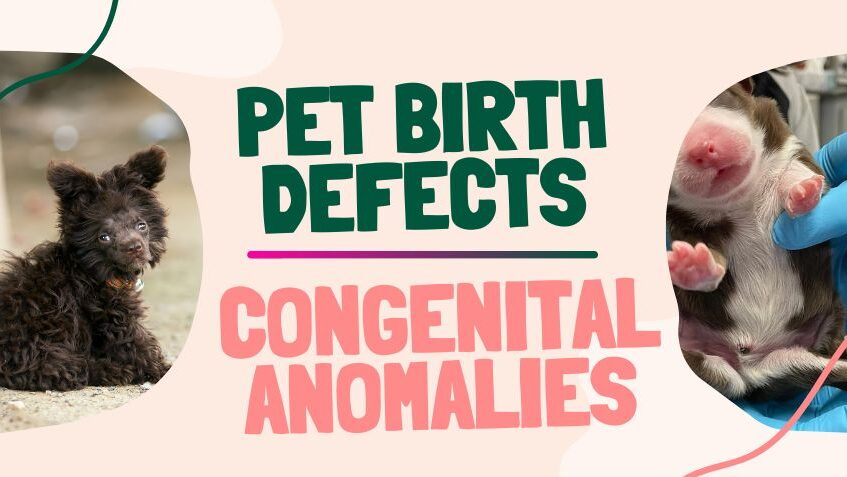
KNOW MORE ABOUT PET BIRTH DEFECTS!
Pet birth defects, also known as congenital anomalies, can occur for a variety of reasons. These defects are present at birth and can affect the structure or function of various body parts. Some of the potential causes of pet birth defects include:
Genetic Factors: Genetic mutations or abnormalities can be inherited from the parents, leading to birth defects in their offspring. These mutations can affect the development of organs, limbs, and other body structures.
Inbreeding: Breeding between closely related animals increases the likelihood of passing on genetic defects. Inbreeding concentrates both desirable and undesirable traits, which can lead to an increased risk of birth defects.
Environmental Factors during Pregnancy: Exposure to certain environmental factors during pregnancy can increase the risk of birth defects. These factors might include toxins, chemicals, drugs, radiation, and infectious agents that the pregnant animal is exposed to.
Nutritional Imbalances: Poor nutrition during pregnancy can negatively impact fetal development. Lack of essential nutrients, vitamins, and minerals can result in developmental abnormalities.
Hormonal Imbalances: Hormonal imbalances in the pregnant animal can affect the development of the fetus. Hormones play a crucial role in controlling various aspects of fetal growth and development.
Viral Infections: Certain viral infections contracted by the pregnant animal, such as canine herpesvirus or feline panleukopenia virus, can lead to birth defects in the offspring.
Bacterial Infections: Bacterial infections during pregnancy can affect fetal development. For instance, brucellosis in dogs can cause abortion, stillbirths, or birth defects.
Parasitic Infections: Some parasitic infections can negatively impact fetal development. For example, toxoplasmosis in cats can be transmitted to kittens in utero and lead to birth defects.
Maternal Illness: If the pregnant animal has certain underlying health conditions, it can affect fetal development. Conditions such as diabetes, thyroid disorders, and systemic illnesses can increase the risk of birth defects.
Teratogenic Substances: Teratogens are substances that can interfere with normal fetal development and lead to birth defects. These substances can include drugs, chemicals, and environmental toxins.
Physical Trauma: Trauma to the pregnant animal can affect the developing fetus, potentially leading to birth defects. Blunt force trauma or accidents during pregnancy can be detrimental.
Maternal Age: Just like in humans, advanced maternal age in animals can increase the risk of birth defects. Older animals might have a higher likelihood of genetic mutations and developmental issues.
It’s important to note that while some birth defects are preventable through responsible breeding practices and proper care of pregnant animals, not all birth defects can be entirely avoided. Working with veterinarians, practicing responsible breeding, providing proper nutrition, and creating a safe and healthy environment can help minimize the risk of birth defects in pets.
You may also visit – https://www.facebook.com/angkopparasahayop


