
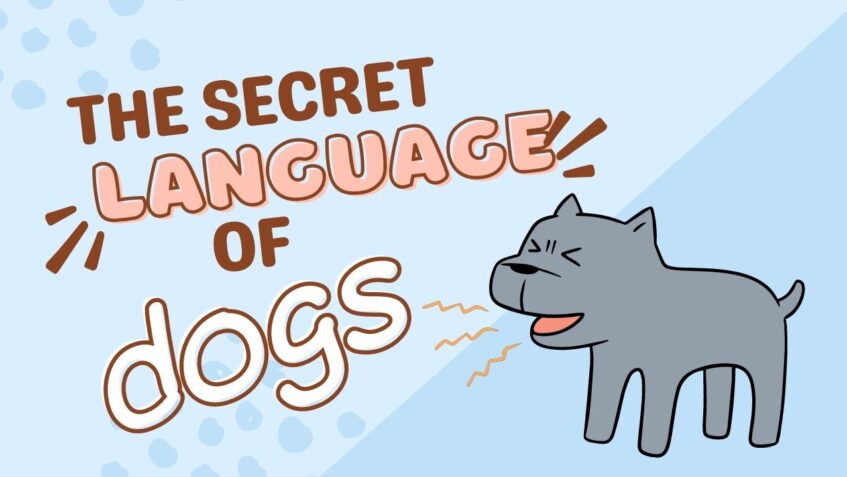
The Secret Language of Dogs
Dogs have a unique way of communicating with humans and with each other through a combination of vocalizations, body language, and scent signals. While dogs don’t have a secret language per se, they do use a variety of cues to convey their intentions, emotions, and needs.
Some common forms of communication in dogs include:
Barking: Dogs bark to communicate various messages, such as alerting their owners to potential danger, expressing excitement, or seeking attention. The tone, pitch, and intensity of the bark can provide clues about the dog’s state of mind.
Body language: Dogs use their bodies to communicate a wide range of emotions and intentions. For example, a wagging tail generally indicates happiness and friendliness, while a tucked tail may suggest fear or submission. Other body signals like raised hackles, a relaxed or tense posture, and facial expressions can also convey important information.
Eye contact: Direct eye contact between dogs can be a sign of assertiveness or aggression, depending on the context. In human-dog interactions, prolonged eye contact from a dog may indicate trust or a desire for attention.
Facial expressions: Dogs can display a variety of facial expressions that can indicate their mood or intentions. For example, a relaxed and open mouth with a loosely hanging tongue is often a sign of a happy and relaxed dog, while a wrinkled forehead and a tense mouth may indicate stress or aggression.
Tail wagging: Contrary to popular belief, a wagging tail does not always mean a dog is friendly. The position, speed, and direction of the wag can provide important clues about a dog’s emotional state. A loose and wide wag often indicates happiness, while a stiff, high wag may indicate alertness or potential aggression.
Understanding these and other cues can help humans interpret a dog’s behavior and respond appropriately. It’s important to remember that each dog is an individual, and while there are general guidelines for interpreting their communication, it’s also crucial to consider the context and the dog’s overall body language when trying to understand what they’re trying to convey.
You may also visit – https://www.facebook.com/angkopparasahayop


