
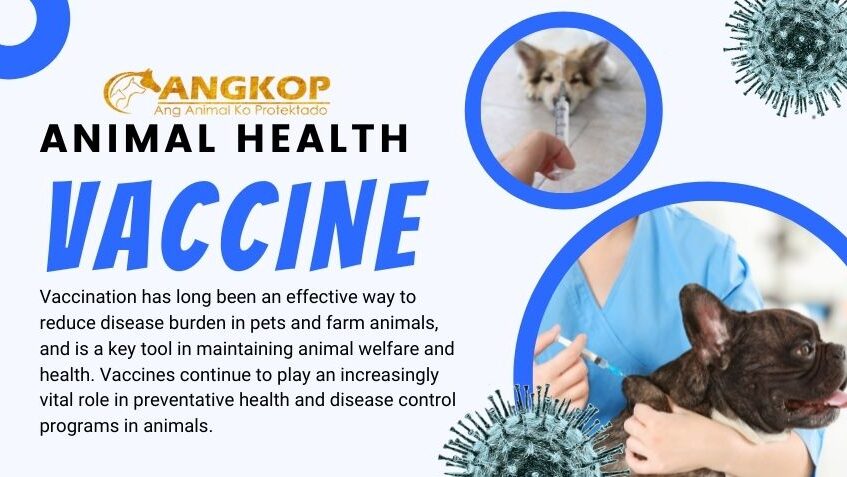
Vaccination for Animal Health
Vaccination has long been an effective way to reduce the disease burden in pets and farm animals and is a key tool in maintaining animal welfare and health. Vaccines continue to play an increasingly vital role in preventative health and disease control programs in animals.
All those who care for animals, including pet owners and farmers, have a duty to protect animal welfare and health under their care. However, animals, like people, are susceptible to a wide range of diseases caused by viruses, bacteria, fungi, and parasites. Vaccines are available for many of these diseases, making them preventable or mitigating the losses or long-term consequences of the disease. This is particularly important for those diseases which have complex, limited, or no treatment options available. Therefore, we should prioritize preventing disease or minimizing the clinical signs of disease in the first instance to protect animal welfare and health: the old adage of ‘prevention is better than cure”.
Another important concept in vaccination is herd immunity. Herd immunity is the protection offered to a wider community of animals, pets, or farm animals, when a sufficiently high proportion of individual animals are vaccinated, reducing the prevalence of disease and numbers of susceptible individuals in an area.
Key Concepts: Vaccines and Vaccination
Vaccines have a long and successful history of preventing and controlling disease. The veterinary vaccines available today represent years of innovative research and meet many of the disease threats faced by pets and animals.
Vaccines work by stimulating an immune response in an animal without causing the disease itself. When healthy animals are vaccinated, their own immune system responds to the vaccine and can remember the infectious agent to which the animal is vaccinated. This means, if appropriately vaccinated animals are then exposed to the pathogen against which they have been vaccinated, they can expect a level of protection from disease.
The main types of vaccines available can be categorised as modified-live (attenuated), inactivated and recombinant.
Feline Vaccination
Many of the most important diseases in cats can be prevented, controlled or alleviated through effective vaccination.
These include:
Feline Panleukopenia/Infectious Enteritis (Feline Panleukopenia or Parvovirus, FPV)
Feline Rhinotracheitis (Feline Herpesvirus, FHV)
Feline Calicivirus (FCV)
Feline Leukaemia Virus (FeLV)
Chlamydophila felis
Feline Rabies
Canine Vaccination
The important canine diseases, for which vaccines are available, include:
Feline Panleukopenia/Infectious Enteritis (Feline Panleukopenia or Parvovirus, FPV)
Feline Rhinotracheitis (Feline Herpesvirus, FHV)
Feline Calicivirus (FCV)
Feline Leukaemia Virus (FeLV)
Chlamydophila felis
Feline Rabies
You may also visit – https://www.facebook.com/angkopparasahayop


