
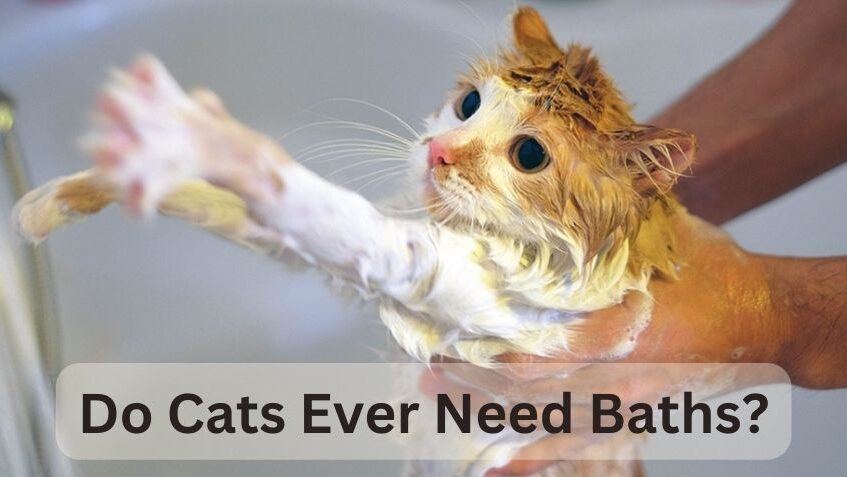
Do Cats Ever Need Baths?
So, if you find yourself asking, “Should I bathe my cat?” the answer is: it depends.
Generally, cats do not need baths. After all, grooming themselves is something cats do often and well. With their barbed tongues, they are usually capable of keeping their own coats clean without any help from their humans. That said, even indoors, your cat can encounter dirt or debris, whether from their litter box, food or drink spills and other messes.
How Often Should You Bathe a Cat?
There’s no set frequency for giving a cat a bath. Cats with long hair, like Persians, may need more frequent grooming to help keep their coats shiny, clean and free of tangles and mats.
Short-haired cats may only need weekly brushing and the occasional bath when they get dirty.
You can also consult your veterinarian or a professional cat groomer on how often to bathe your cat. They can tell you based on your cat’s breed, skin and coat health and other issues whether their own grooming is sufficient or if/when a bath is needed, and which cat shampoo is right for your cat.
When done properly, a bath can be beneficial for your cat’s skin and coat. Keep in mind, however, that most cats do not enjoy baths. Domesticated cats descended from African wildcats (Felis silvestris lybica), which often live in dry, desert-like regions; therefore, some cats may instinctually try to avoid being in water.
This may mean the introduction of a bathing routine is a bit undesirable for your cat. Start slowly with small introductions to water on their paws or dripped on their coat. Depending on your cat’s size, you may want to consider bathing her in the sink rather than the tub. Over time, build up to getting your cat more and more wet. Try to keep the bath quick to minimize stress and frustration for you both.
Of course, if bath time is causing a rift in your relationship with your cat, reach out to a professional cat groomer to help keep their coat shiny, soft and clean.
How to Bathe Your Kitten or Adult Cat
A bath stimulates the skin and removes excess oil, dander, and shed hair. It also offers an opportunity to teach your cat that being handled even in unexpected ways won’t hurt them. Cats will need to be touched by the vet, handled by vet techs, or cared for by house sitters and guests. Making the bath a pleasant experience helps cats “generalize” the event to future similar situations.
Positive experiences with prior baths are especially beneficial if you ever find yourself having to give your cat medicated baths as part of a treatment plan for skin diseases like ringworm or if your cat gets into something particularly nasty.
They may be stressed by bathing so follow your veterinarian’s recommendation:
What You Need
- For routine cleaning, you only need a few supplies, including:
- A simple grooming shampoo labeled specifically for cats
- Several towels
- A rubber mat
- A washcloth
- Ping pong ball or other floating distraction
Human shampoo (including those designed for babies) or dog products can be too harsh and dry the cat’s skin, and in some case may be toxic.
Prepare to Bathe Your Cat
Before getting your cat wet, brush its fur thoroughly. As for you, wear old clothes and expect to get wet.
The bath area should be warm and draft-free. The bathtub will do, but you may be more comfortable if you can bathe your cat in a waist-high sink. Move all breakables out of reach and push drapes or shower curtains out of the way. Avoid anything (strong scents, scary objects, mirrors) that potentially frighten cats, so the bath is as pleasant as possible.
Assemble your shampoo, several towels, and a washcloth near the sink or tub, and run warm water before you bring in the cat. The cat bath temperature should be around body temperature, in other words pretty warm but not so hot that it’s uncomfortable.
Place a towel or rubber mat in the bottom of the tub or sink. Cats hate the insecure footing of slippery surfaces and this will make it less stressful. Or, try standing the cat on a plastic milk crate so your cat can grip it with its paws. This also allows you to more easily wash the cat from both above and below.
Close the door to the bathing area, or you risk having a soapy cat escape.
When done properly, a bath can be beneficial for your cat’s skin and coat. Keep in mind, however, that most cats do not enjoy baths. Domesticated cats descended from African wildcats (Felis silvestris lybica), which often live in dry, desert-like regions; therefore, some cats may instinctually try to avoid being in water.
This may mean the introduction of a bathing routine is a bit undesirable for your cat. Start slowly with small introductions to water on their paws or dripped on their coat. Depending on your cat’s size, you may want to consider bathing her in the sink rather than the tub. Over time, build up to getting your cat more and more wet. Try to keep the bath quick to minimize stress and frustration for you both.
Of course, if bath time is causing a rift in your relationship with your cat, reach out to a professional cat groomer to help keep their coat shiny, soft and clean.
You may also visit – https://www.facebook.com/angkopparasahayop


