Issues

Animal Health

Vivamus eget nibh. Etiam cursus leo vel metus. Nulla facilisi. Aenean nec eros. Vestibulum ante ipsum primis in faucibus orci luctus et ultrices posuere cubilia Curae; Suspendisse sollicitudin velit sed leo. Ut pharetra augue nec augue. Nam elit agna, endrerit sit amet, tincidunt ac, viverra sed, nulla. Donec porta diam eu massa.

“Quisque diam lorem, interdum vitae, dapibus ac, scelerisque vitae, pede. Donec eget tellus non erat lacinia fermentum. Donec in velit vel ipsum auctor pulvinar.”

Quisque diam lorem, interdum vitae, dapibus ac, scelerisque vitae, pede. Donec eget tellus non erat lacinia fermentum. Donec in velit vel ipsum auctor pulvinar. Vestibulum iaculis lacinia est. Proin dictum elementum velit. Fusce euismod consequat ante. Lorem ipsum dolor sit amet, consectetuer adipis. Mauris accumsan nulla vel diam. Sed in lacus ut enim adipiscing aliquet.

Vestibulum sed ante. Donec sagittis euismod purus.Sed ut perspiciatis sit voluptatem accusantium doloremque laudantium, totam rem aperiam,eaque ipsa quae ab illo inventore veritatis et quasi architecto beatae vitae dicta sunt explicabo. Nemo enim ipsam voluptatem quia voluptas sit aspernatur aut odit aut fugit, sed quia consequuntur magni dolores eos qui ratione voluptatem sequi nesciunt.

What To Do for Cats That Lick Too Much

What To Do for Cats That Lick Too Much If your cat is licking excessively, it could be a sign of an underlying issue that needs attention. Here are some steps you can take to address the problem:   Rule out medical causes Excessive licking can be triggered by medical conditions such as allergies, skin infections, parasites, or pain. It’s essential to take your cat to a veterinarian for a thorough examination to rule out any underlying health problems. The vet may recommend diagnostic tests or prescribe medication if necessary.   Provide mental and physical stimulation Cats may over-groom due...

Read more

Dog Anxiety Awareness

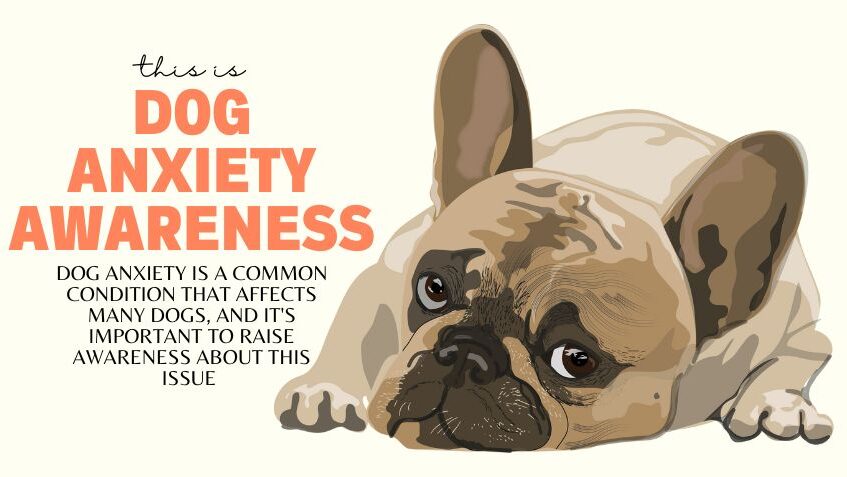
Dog Anxiety Awareness   Dog anxiety is a common condition that affects many dogs, and it’s important to raise awareness about this issue. Just like humans, dogs can experience anxiety and stress in various situations. Understanding and addressing dog anxiety can significantly improve their well-being and strengthen the bond between dogs and their owners. Here are some key points to raise awareness about dog anxiety:   What is dog anxiety? Dog anxiety refers to excessive fear, stress, or unease experienced by dogs in response to specific triggers or general situations. Common triggers include loud noises (thunderstorms or fireworks), separation from...

Read more

Ebstein’s Anomaly

Ebstein’s Anomaly Ebstein’s Anomaly is an atrialization of the right ventricle—an apical displacement of the tricuspid valve complex into the right ventricle. Accompanied by various degrees of tricuspid insufficiency or stenosis. Major pathophysiology is related to the degree of tricuspid insufficiency or stenosis. An abnormal accessory pathway may lead to supraventricular tachycardias. SIGNALMENT Very rare—occasionally encountered in dogs and cats. No breed or sex predilection. Murmur auscultated at a young age, though can be very difficult to auscult with stenosis.   SIGNS Animals with mild tricuspid insufficiency or stenosis are asymptomatic. Animals with moderate insufficiency or stenosis are often exercised...

Read more

Discospondylitis

Discospondylitis   Discospondylitis Is a bacterial or fungal infection of the intervertebral discs and adjacent vertebral bodies.   PATHOPHYSIOLOGY Hematogenous spread of bacterial or fungal organisms—most common cause. Neurologic dysfunction—may occur; usually the result of spinal cord compression caused by proliferation of bone and fibrous tissue; less commonly owing to luxation or pathologic fracture of the spine, epidural abscess, or extension of infection to the meninges and spinal cord.   SYSTEMS AFFECTED Musculoskeletal—infection and inflammation of the spine Nervous—compression of the spinal cord GENETICS No definite predisposition identified. An inherited immunodeficiency has been detected in a few cases.   INCIDENCE/PREVALENCE...

Read more

Diaphragmatic Hernia

Diaphragmatic Hernia   Protrusion of an abdominal organ through an abnormal opening in the diaphragm either as an acquired injury or as a congenital defect. Traumatic—most common acquired cause; usually the result of automobile trauma but also any forceful blow; sudden increase of pressure results in an abdominal-thoracic pressure gradient, causing a tear in the diaphragm, usually at a muscular portion. Congenital—pleuroperitoneal or peritoneopericardial diaphragmatic hernia (PPDH); may note other congenital defects (e.g., umbilical hernia, cranioventral abdominal wall defects, cryptorchidism, cleft palate,ventricular septal defect, aortic stenosis, and portosystemic shunting). Impaired lung expansion—because of lack of lung contact with parietal pleura....

Read more

Diabetes Insipidus

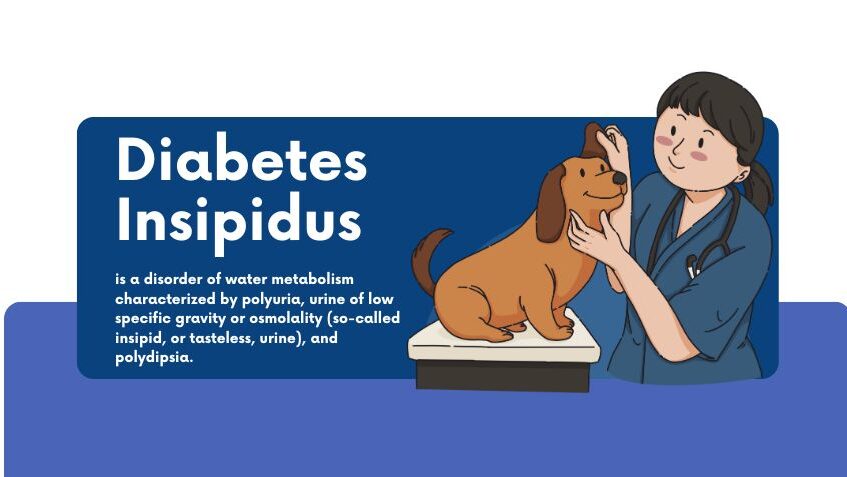
Diabetes Insipidus Diabetes insipidus (DI) is a disorder of water metabolism characterized by polyuria, urine of low specific gravity or osmolality (so-called insipid, or tasteless, urine), and polydipsia.   PATHOPHYSIOLOGY Central DI—deficiency in the secretion of ADH Nephrogenic DI—renal insensitivity to ADH   SYSTEMS AFFECTED Endocrine/Metabolic Renal/Urologic   INCIDENCE/PREVALENCE Central DI—rare Nephrogenic—rare   SIGNALMENT Species Dog and cat   Breed Predilections None   Mean Age and Range Congenital forms < 1 year Acquired forms (e.g., neoplastic, traumatic, and idiopathic), any age   Predominant Sex   None   SIGNS Polyuria Polydipsia Incontinence—occasional   CAUSES Inadequate Secretion of ADH Congenital defect Idiopathic...

Read more

EAR CYTOLOGY

EAR CYTOLOGY Ear cytology is one of the most important investigative steps in all cases of otitis externa and lends itself well to input from the veterinary nurse. Stained and unstained samples are useful to assess the ear for the presence respectively of bacterial and yeast pathogens and ectoparasites. Sample collection can be easily achieved in the conscious dog and only a minimal amount of equipment is needed to take and interpret good samples. While the color, appearance and odor of an otic discharge can give strong clues as to the presence of and type of infection, visual inspection of...

Read more

PRE-EXPOSURE PROPHYLAXIS (PrEP)

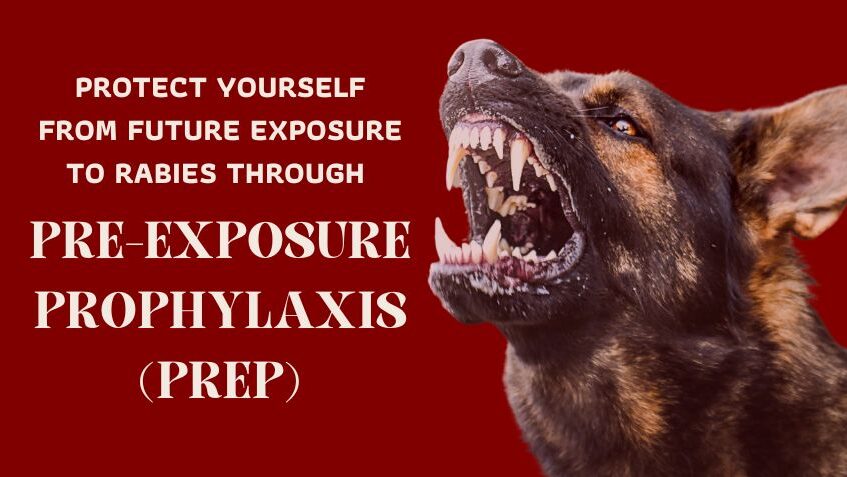
PRE-EXPOSURE PROPHYLAXIS (PrEP) PROTECT YOURSELF FROM FUTURE EXPOSURE TO RABIES THROUGH   This vaccination acts as the patient’s prevention against rabies as it is given before any possible exposure. It is also recommended for travelers who are living or will visit areas where dogs or rabies virus are common.   What is pre-exposure (Pre-EP) rabies vaccination? Pre-exposure rabies vaccination is a way to protect a person from getting rabies before they come in contact with a rabid animal. Two types of rabies vaccines are licensed for pre-exposure in the US; both are equally safe and produce an antibody response against...

Read more

Hiatal Hernia in Dogs

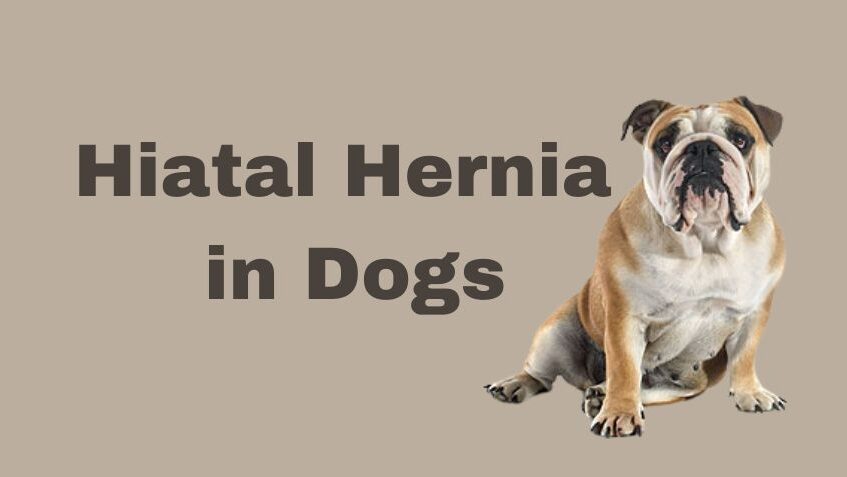
Hiatal Hernia   Hiatal hernias, also known as diaphragmatic hernias, form at the opening (hiatus) in the diaphragm where the esophagus (the tube that carries food to the stomach) joins the stomach.   OVERVIEW Hiatal herniation – when abdominal contents (most commonly the stomach), herniate cranial to the diaphragm into the thorax through the esophageal hiatus. Four types of hernia have been described: Type I (sliding hiatal hernia; most common) Type II (paraesophageal hiatal hernia) Type III (includes elements of both type I and II) Type IV (herniation of organs other than the stomach) Congenital and acquired Hiatal hernias have...

Read more

Myiasis (Maggots) in Dogs

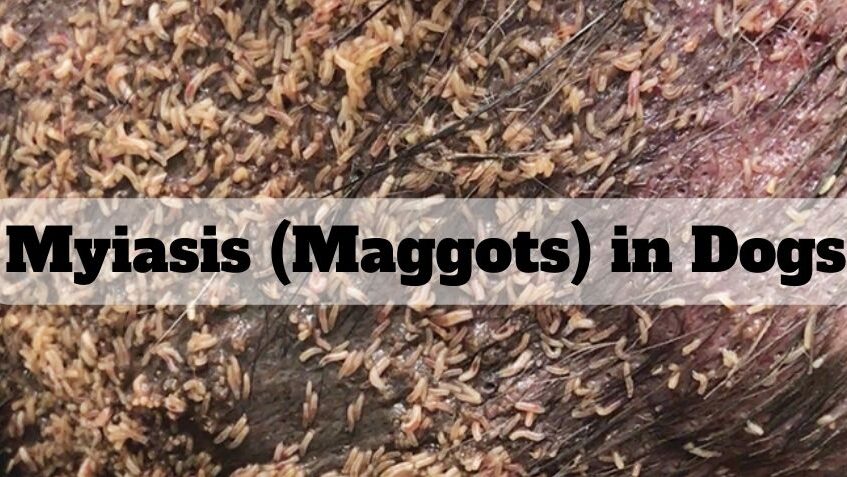
Myiasis (Maggots) in Dogs    Myiasis is an infestation of fly maggots or grubs on another living thing. This is more common in the warm summer months when flies are laying their eggs, and is much more prominent in hot, humid environments. Dogs with festering wounds, chronic skin problems, incontinence or mobility impairment issues are more likely to develop this disease. This is a serious condition and the removal of the maggots or grubs should be handled by a veterinary professional in order to avoid the release of dangerous enzymes and toxins into the dog’s bloodstream. Myiasis is the medical...

Read more

What To Do for Cats That Lick Too Much

What To Do for Cats That Lick Too Much If your cat is licking excessively, it could be a sign of an underlying issue that needs attention. Here are some steps you can take to address the problem:   Rule out medical causes Excessive licking can be triggered by medical conditions such as allergies, skin infections, parasites, or pain. It’s essential to take your cat to a veterinarian for a thorough examination to rule out any underlying health problems. The vet may recommend diagnostic tests or prescribe medication if necessary.   Provide mental and physical stimulation Cats may over-groom due...

Read more

Dog Anxiety Awareness

Dog Anxiety Awareness   Dog anxiety is a common condition that affects many dogs, and it’s important to raise awareness about this issue. Just like humans, dogs can experience anxiety and stress in various situations. Understanding and addressing dog anxiety can significantly improve their well-being and strengthen the bond between dogs and their owners. Here are some key points to raise awareness about dog anxiety:   What is dog anxiety? Dog anxiety refers to excessive fear, stress, or unease experienced by dogs in response to specific triggers or general situations. Common triggers include loud noises (thunderstorms or fireworks), separation from...

Read more

Ebstein’s Anomaly

Ebstein’s Anomaly Ebstein’s Anomaly is an atrialization of the right ventricle—an apical displacement of the tricuspid valve complex into the right ventricle. Accompanied by various degrees of tricuspid insufficiency or stenosis. Major pathophysiology is related to the degree of tricuspid insufficiency or stenosis. An abnormal accessory pathway may lead to supraventricular tachycardias. SIGNALMENT Very rare—occasionally encountered in dogs and cats. No breed or sex predilection. Murmur auscultated at a young age, though can be very difficult to auscult with stenosis.   SIGNS Animals with mild tricuspid insufficiency or stenosis are asymptomatic. Animals with moderate insufficiency or stenosis are often exercised...

Read more

Discospondylitis

Discospondylitis   Discospondylitis Is a bacterial or fungal infection of the intervertebral discs and adjacent vertebral bodies.   PATHOPHYSIOLOGY Hematogenous spread of bacterial or fungal organisms—most common cause. Neurologic dysfunction—may occur; usually the result of spinal cord compression caused by proliferation of bone and fibrous tissue; less commonly owing to luxation or pathologic fracture of the spine, epidural abscess, or extension of infection to the meninges and spinal cord.   SYSTEMS AFFECTED Musculoskeletal—infection and inflammation of the spine Nervous—compression of the spinal cord GENETICS No definite predisposition identified. An inherited immunodeficiency has been detected in a few cases.   INCIDENCE/PREVALENCE...

Read more

Diaphragmatic Hernia

Diaphragmatic Hernia   Protrusion of an abdominal organ through an abnormal opening in the diaphragm either as an acquired injury or as a congenital defect. Traumatic—most common acquired cause; usually the result of automobile trauma but also any forceful blow; sudden increase of pressure results in an abdominal-thoracic pressure gradient, causing a tear in the diaphragm, usually at a muscular portion. Congenital—pleuroperitoneal or peritoneopericardial diaphragmatic hernia (PPDH); may note other congenital defects (e.g., umbilical hernia, cranioventral abdominal wall defects, cryptorchidism, cleft palate,ventricular septal defect, aortic stenosis, and portosystemic shunting). Impaired lung expansion—because of lack of lung contact with parietal pleura....

Read more

Diabetes Insipidus

Diabetes Insipidus Diabetes insipidus (DI) is a disorder of water metabolism characterized by polyuria, urine of low specific gravity or osmolality (so-called insipid, or tasteless, urine), and polydipsia.   PATHOPHYSIOLOGY Central DI—deficiency in the secretion of ADH Nephrogenic DI—renal insensitivity to ADH   SYSTEMS AFFECTED Endocrine/Metabolic Renal/Urologic   INCIDENCE/PREVALENCE Central DI—rare Nephrogenic—rare   SIGNALMENT Species Dog and cat   Breed Predilections None   Mean Age and Range Congenital forms < 1 year Acquired forms (e.g., neoplastic, traumatic, and idiopathic), any age   Predominant Sex   None   SIGNS Polyuria Polydipsia Incontinence—occasional   CAUSES Inadequate Secretion of ADH Congenital defect Idiopathic...

Read more

EAR CYTOLOGY

EAR CYTOLOGY Ear cytology is one of the most important investigative steps in all cases of otitis externa and lends itself well to input from the veterinary nurse. Stained and unstained samples are useful to assess the ear for the presence respectively of bacterial and yeast pathogens and ectoparasites. Sample collection can be easily achieved in the conscious dog and only a minimal amount of equipment is needed to take and interpret good samples. While the color, appearance and odor of an otic discharge can give strong clues as to the presence of and type of infection, visual inspection of...

Read more

PRE-EXPOSURE PROPHYLAXIS (PrEP)

PRE-EXPOSURE PROPHYLAXIS (PrEP) PROTECT YOURSELF FROM FUTURE EXPOSURE TO RABIES THROUGH   This vaccination acts as the patient’s prevention against rabies as it is given before any possible exposure. It is also recommended for travelers who are living or will visit areas where dogs or rabies virus are common.   What is pre-exposure (Pre-EP) rabies vaccination? Pre-exposure rabies vaccination is a way to protect a person from getting rabies before they come in contact with a rabid animal. Two types of rabies vaccines are licensed for pre-exposure in the US; both are equally safe and produce an antibody response against...

Read more

Hiatal Hernia in Dogs

Hiatal Hernia   Hiatal hernias, also known as diaphragmatic hernias, form at the opening (hiatus) in the diaphragm where the esophagus (the tube that carries food to the stomach) joins the stomach.   OVERVIEW Hiatal herniation – when abdominal contents (most commonly the stomach), herniate cranial to the diaphragm into the thorax through the esophageal hiatus. Four types of hernia have been described: Type I (sliding hiatal hernia; most common) Type II (paraesophageal hiatal hernia) Type III (includes elements of both type I and II) Type IV (herniation of organs other than the stomach) Congenital and acquired Hiatal hernias have...

Read more

Myiasis (Maggots) in Dogs

Myiasis (Maggots) in Dogs    Myiasis is an infestation of fly maggots or grubs on another living thing. This is more common in the warm summer months when flies are laying their eggs, and is much more prominent in hot, humid environments. Dogs with festering wounds, chronic skin problems, incontinence or mobility impairment issues are more likely to develop this disease. This is a serious condition and the removal of the maggots or grubs should be handled by a veterinary professional in order to avoid the release of dangerous enzymes and toxins into the dog’s bloodstream. Myiasis is the medical...

Read more

  • Section 1

    Vivamus eget nibh. Etiam cursus leo vel metus. Nulla facilisi. Aenean nec eros. Vestibulum ante ipsum primis in faucibus orci luctus et ultrices posuere cubilia Curae; Suspendisse sollicitudin velit sed leo. Ut pharetra augue nec augue. Nam elit agna, endrerit sit amet, tincidunt ac, viverra sed, nulla. Donec porta diam eu massa.

    “Quisque diam lorem, interdum vitae, dapibus ac, scelerisque vitae, pede. Donec eget tellus non erat lacinia fermentum. Donec in velit vel ipsum auctor pulvinar.”

    Quisque diam lorem, interdum vitae, dapibus ac, scelerisque vitae, pede. Donec eget tellus non erat lacinia fermentum. Donec in velit vel ipsum auctor pulvinar. Vestibulum iaculis lacinia est. Proin dictum elementum velit. Fusce euismod consequat ante. Lorem ipsum dolor sit amet, consectetuer adipis. Mauris accumsan nulla vel diam. Sed in lacus ut enim adipiscing aliquet.

    Vestibulum sed ante. Donec sagittis euismod purus.Sed ut perspiciatis sit voluptatem accusantium doloremque laudantium, totam rem aperiam,eaque ipsa quae ab illo inventore veritatis et quasi architecto beatae vitae dicta sunt explicabo. Nemo enim ipsam voluptatem quia voluptas sit aspernatur aut odit aut fugit, sed quia consequuntur magni dolores eos qui ratione voluptatem sequi nesciunt.

    Vivamus eget nibh. Etiam cursus leo vel metus. Nulla facilisi. Aenean nec eros. Vestibulum ante ipsum primis in faucibus orci luctus et ultrices posuere cubilia Curae; Suspendisse sollicitudin velit sed leo. Ut pharetra augue nec augue. Nam elit agna, endrerit sit amet, tincidunt ac, viverra sed, nulla. Donec porta diam eu massa.

  • Section 2

    I am text block. Click edit button to change this text. Lorem ipsum dolor sit amet, consectetur adipiscing elit. Ut elit tellus, luctus nec ullamcorper mattis, pulvinar dapibus leo.

  • Section 3

    I am text block. Click edit button to change this text. Lorem ipsum dolor sit amet, consectetur adipiscing elit. Ut elit tellus, luctus nec ullamcorper mattis, pulvinar dapibus leo.

  • Section 4

    I am text block. Click edit button to change this text. Lorem ipsum dolor sit amet, consectetur adipiscing elit. Ut elit tellus, luctus nec ullamcorper mattis, pulvinar dapibus leo.