Blog

07 Feb
0

JONA VIRAY – VOICELESS ANIMALS FOUND HOPE AND HOME THRU HER POWERFUL VOICE!

JONA VIRAY – VOICELESS ANIMALS FOUND HOPE AND HOME THRU HER POWERFUL VOICE!


The Philippines’ Soul Princess singer, Jona Viray, known as an animal rights advocate built a shelter for her 70+ rescued cats and dogs somewhere in Rizal.

She is passionate about helping rescued animals find loving forever homes. She has fostered many dogs and cats during the peak of the pandemic and spent most of her time and energy with them.

“Siguro kaya malapit na malapit po ang puso ko sa kanila kasi ayun na po ang aking advocacy… Through our music and talent, ayun na rin ang nagiging tulong natin sa mga walang boses po na kawawang hayop sa daan,” the singer said in an interview.

Let us pray for more celebrities, those genuine animal lovers to use their fame to raise awareness for causes that are close to their hearts. They have thousands of followers who value what they have to say.

May they continue to make us proud because of their talent and contribution to the country and to keep on inspiring and influencing us to do something meaningful for the protection and welfare of animals.

Read More
03 Feb
0

Hero Dogs Saved a Family From Robbery in Masbate City

Hero Dogs Saved a Family From Robbery in Masbate City


Why don’t we have good news today?  Did you too read or watch the hero doggos in Masbate?

Doggos Roscoe and Smile became heroes after they prevented the attempted robbery of a minor thief in their house in Masbate City on January 27.

Our doggos protect and save us in so many ways. And in this case –  they acted as the first line of defense to deter theft or their warning signs on the property helped to deter the intruder.

Our doggos are a very substantial burglar deterrent or the first line of defense for our home as they are territorial by nature, but that doesn’t mean all dogs will deter burglars. Some are naturally passive, especially with humans. These types will welcome any stranger into their space, particularly those who offer food.

Securing the safety of your property and family is best when you have a range of security measures in place.

And here are a few things we can train our doggo(s) so they can guard us, our home/family, and his/herself too:

  • Teach your dog basic obedience skills.
  • Establish yourself as the master.
  • Properly socialize the dog so that he or she can identify normal vs. abnormal behavior.
  • Train your dog to start or cease barking upon command.
  • Walk your dog on the perimeter of your property regularly to establish territory.
  • But also remember that while training may improve your pet’s behavior, a dog’s protection can only go so far.

Rest easy knowing that all the love we have for our doggo(s) is well-deserved!

Read more (CTTO): https://www.facebook.com/862284660779895/posts/1737631576578528/?sfnsn=mo


Read More
02 Feb
0

What We Can Do to Prevent Dog Attacks in the Community

What We Can Do to Prevent Dog Attacks in the Community

A true loving pet parent wouldn’t want his/her fur baby to cause any harm or be harmed, to kill or be killed.


It was heartbreaking and disturbing. A true loving pet parent wouldn’t want his/her fur baby to cause any harm or be harmed, to kill or be killed.

But what can we really do to prevent dog attacks in the community?

We’ve prepared simple but helpful tips we; responsible parents can do to keep our fur babies from harming or being harmed:

✔️            Confine your dog to your house/property PROPERLY.

Even a friendly dog may guard the area on or around its property especially when you are not present. Keep in mind that a dog of any size or breed can become aggressive when defending its territory.

✔️            Make sure to have an escape-proofing gate and fence. It is your responsibility to make sure that he is kept in a securely fenced yard that prevents him from getting out or straying. (We do NOT recommend that you chain or tie your dog up to prevent him from wandering off).


Reasons for confining your dog:

🔘It is a legal requirement for dog owners.

🔘Prevents your dog from rushing or chasing someone.

🔘Prevent dog attacks in public places.

🔘Prevent your dog from wandering, roaming, or getting lost.

🔘Prevent your dog from traffic injuries or fights with other dogs.


✔️            Remember, being a responsible dog owner means abiding by the law, which helps to keep your pet, yourself, your neighbors, and your community safe. Dogs cannot be allowed to run loose.

✔️            What you can do if approached by an aggressive dog:

🔘Stand still, don’t run.

🔘Keep your hands by your side.

🔘Stay quiet, try not to make any noise.

🔘Avoid eye contact with the dog, look at the ground.

🔘Once the dog has lost interest, slowly back away.


✔️            The most important thing that you can do to avoid undesirable dog behavior is to supervise your dog.

✔️            Keep only the type and number of pets for which you can provide an appropriate and

safe environment; and proper training.

CTTO: You may watch the video – https://www.facebook.com/114274353352105/posts/659811968798338/

Read More
18 Jan
0

The New Manila Zoo

The New Manila Zoo…

Kids, Parents Can Go Together (following health and safety protocols)
Manila is eyeing to use the newly renovated Manila Zoo as a vaccination site for minors aged 5 to 11 when the national government rolls out the pediatric vaccination by the first week of February.
It would serve a double purpose for kids, including senior citizens, to get vaccinated and have a preview of the facility.
The zoo is set to reopen during the first quarter of 2022.
CTTO

Read More
17 Jan
0

Animal Lives Matter: Prevent, pre-empt hit-and-run

Animal Lives Matter: Prevent, pre-empt hit-and-run
Thousands of motorists knocked a cat or dog down in their car and then driving off, leaving the animal on the roadside.
This is what exactly happened to “Oh,” a poor cat who was a victim of a hit-and-run by an irresponsible motorist last January 11. Oh (as named by her rescuer Ms. Rodelyn) was almost lifeless as left lying in the street of J.P. Rizal, Maly, San Mateo when rescued by Ms. Rodelyn Paras Llorico of Project Compawssion. Oh was then brought to us by Project Compawssion on the following day and Doc Joseph de Guzman personally handled the case and gave the necessary treatment (love and care). But the damaged, trauma and injuries Oh had due to the incident didn’t allow her to survive.
Oh’s story is definitely not extra-ordinary as thousands of dogs injured or died on Philippine roads every day as drivers don’t brake for animals. A cruel fact that a life was snuffed out in a second by a speeding car driver, with no thought, no respect for life and no punishment. Other motorists even deliberately speed up or hit a crossing animal or helpless puppies, kittens and already weak dogs and cats.
But Oh’s story is yelling out – “Enough of this cruelty!”
What we need is a greater responsibility, to ensure that such drivers don’t speed but treat the pain and suffering they cause with appropriate respect and pay the penalty.
We hope that Oh will remind every one of us about having compassion and love for the animals around us.
Let us all be responsible. Remember that little things matter, the things we do for animal welfare and protection can go a long way –
Be a RESPONSIBLE MOTORIST! Know your responsibilities, follow traffic rules and be reminded that you should #BrakeforAnimals.
Make sure to be extra vigilant and aware especially during night time, practice defensive driving in order to lower your chances of any probable accidents on the road.
For pet owners – remember that allowing your pet to roam freely without a leash, in public streets or outside your home (even at your presence) is also a violation of RA9482 or The Anti Rabies Act. Protect them from being harmed or being harmful to others.
If you are the driver – If you’re involved in an accident and an animal (whether in another vehicle or on the road) is injured you must stop, even if it wasn’t your fault. Take full responsibility, respond humanely while addressing potential insurance and legal implications.
DO NOT IGNORE or LEAVE THE ANIMAL WITHOUT PROPER CARE AND TREATMENT – if the animal can be moved and handled SAFELY, bring the animal to the nearest vet or at least try and move the animal to a safe area, away from further injury. You can also call the local government or the MMDA to assist, or seek help from the Barangay or from an animal welfare group.

Read More
11 Nov
0

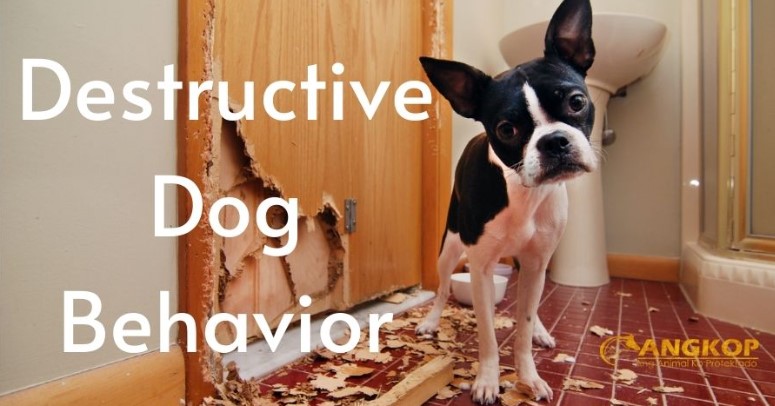
Destructive Dog Behavior

Destructive Dog Behavior

  • Behavior that causes damage to an owner’s home or belongings.
  • Primary destructive behavior is normal behavior that includes exploratory and play-based behavior.
  • Secondary destructive behavior is a clinical sign of another behavior condition.


SYSTEMS AFFECTED

  • Gastrointestinal—damage to teeth; vomiting and diarrhea, obstruction if ingested.
  • Musculoskeletal—traumatic damage caused by scratching or chewing.
  • Ingestion of toxic material could affect any organ system.


SIGNALMENT

  • Any breed or gender.
  • Primary destructive behavior is seen in dogs < 1 year of age.
  • Secondary destructive behavior can be seen at any age.


SIGNS

Primary Destructive Behavior

  • Initially occurs in the presence or absence of the owner.
  • Not preceded by a specific environmental trigger.
  • Absence of anxiety or aggression.


Secondary Destructive Behavior

  • Attention-seeking behavior—destructive behavior in the presence of the owner.
  • Separation-related anxiety—destructive behavior consistently occurs in the absence of the owner, and rarely in the presence of the owner; target items may include personal belongings, furniture, or points of egress.
  • Storm phobia, noise phobia—destructive behavior and/or anxiety-related behavior in response to stimuli whether or not the owner is present. Intensity may be greater during the owner’s absence.
  • Territorial aggression—arousal is observed in presence of the owner; destructive behavior is intermittent based on the presence of triggers; window frames and doorways are damaged.

CAUSES & RISK FACTORS

  • Primary destructive behavior represents normal behavior; inadequate supervision and insufficient access to appropriate outlets may affect destructive behavior.
  • Owner scolding, leading to either fear or attention-seeking.
  • Risk factors for anxiety-based conditions are not clearly identified.
  • Territorial aggression may have genetic and learned components.


DIAGNOSIS

DIFFERENTIAL DIAGNOSIS

  • Identify pathologic conditions.
  • If pica accompanies destructive chewing—rule out conditions affecting digestion, absorption, polyphagia, and appetite, including recent diet change.
  • If licking surfaces, rule out upper GI disease.
  • For sudden onset in a mature pet with no notable environmental changes—rule out medical conditions.
  • For age-related onset, rule out cognitive dysfunction syndrome.


CBC/BIOCHEMISTRY/URINALYSIS

Usually normal


OTHER LABORATORY TESTS

As indicated to rule out medical conditions.


IMAGING

May be indicated if there is a sudden onset in a mature pet.


DIAGNOSTIC PROCEDURES

Physical examination with attention to the GI tract.


TREATMENT

Treat the underlying disease.


PRIMARY DESTRUCTIVE BEHAVIOR

  • Supervise, confine or dog proof until appropriate behavior has been established.
  • Assure access to acceptable chew toys.
  • Reward appropriate behavior—select toys that dispense food or can be stuffed with food.
  • Interrupt inappropriate behavior, apply non-toxic bitter-tasting products, then offer appropriate activity.
  • Provide adequate interactive play.
  • Use caution in applying any form of punishment. Any correction must be applied humanely, without causing pain or fear that could trigger anxiety or aggression.


SECONDARY DESTRUCTIVE BEHAVIOR

  • Attention-seeking—provide owner-initiated interactions; teach sit for all interactions.
  • Compulsive disorder—reduce sources of anxiety; offer interactive play and appropriate chew items; prevent access to target items.
  • Separation-related anxiety—behavior modification; punishment is contraindicated.
  • Noise phobia—behavior modification; reduce access to triggers.
  • Territorial aggression—behavior modification, prevents access to doors and windows.


MISCELLANEOUS

AGE-RELATED FACTORS

Age of onset may aid in diagnosis.


PREGNANCY/FERTILITY/BREEDING

Periparturient destructive behavior (nesting).


ABBREVIATIONS

SSRI = selective serotonin reuptake inhibitor

TCA = tricyclic antidepressant


Visit your veterinarian as early recognition, diagnosis, and treatment are essential.

You may also visit – https://www.facebook.com/angkopparasahayop

Read More
10 Nov
0

Destructive and Scratching Cat Behavior

Destructive and Scratching Cat Behavior

Behavior that causes damage to an owner’s home or belongings.

Primary destructive behavior is normal behavior that includes exploratory and play-based behavior as well as scratching of surfaces for marking and claw maintenance.

Secondary destructive behavior is a clinical sign reflecting other behavioral conditions and disease states.


SYSTEMS AFFECTED

  • Gastrointestinal—damage to teeth; vomiting and diarrhea, obstruction if target items are ingested.
  • Musculoskeletal—traumatic damage caused by intense scratching or chewing.
  • Ingestion of toxic material could affect any organ system.


SIGNALMENT

  • Any breed or gender; probable genetic basis in Oriental breeds that present for sucking or chewing fabric.
  • Primary destructive behavior is seen in cats < 6 months of age.
  • Secondary destructive behavior is more often in mature animals.


SIGNS

Primary Destructive Behavior

May occur in the presence or absence of the owner.

No specific environmental trigger.

Common targets for scratching are furniture, door frames, and speakers.

May chew houseplants.

Items resembling string, including shoelaces, necklaces, and rubber bands are often chewed and ingested. Small items that are batted, may be accidentally swallowed.


Secondary Destructive Behavior

Attention-seeking-—destructive behavior in the presence of the owner, often when owners are preoccupied.

Compulsive behavior—excessive licking, chewing, and/or ingesting non-food items; fabrics particularly wool are targeted; occurs in the presence or absence of the owner.

Stress-related scratching may occur secondary to household conflict or change or in response to outside triggers, such as non-household cats


CAUSES & RISK FACTORS

Primary destructive behavior represents normal behavior; inadequate supervision and insufficient access to appropriate scratching posts or toys are risk factors.

Owners may reinforce or increase stress by scolding cats scratching inappropriate items.

Compulsive chewing or wool sucking is most common in Oriental breeds.


DIAGNOSIS

DIFFERENTIAL DIAGNOSIS

Rule out medical conditions.

If pica accompanies destructive chewing rule out conditions affecting digestion, absorption, and appetite, including recent diet change.

For the sudden onset of chewing in a mature cat rule out oral, gastrointestinal, and medical disease and medical conditions associated with pain or anxiety.


CBC/BIOCHEMISTRY/URINALYSIS

Usually normal


OTHER LABORATORY TESTS

As indicated to rule out medical condition (T4).


IMAGING

As needed to rule out medical conditions.


DIAGNOSTIC PROCEDURES

Physical examination with attention to the oral cavity.


TREATMENT

Treat any underlying disease.


PRIMARY DESTRUCTIVE BEHAVIOR

Keep claws trimmed.

Supervise/confine until appropriate behavior patterns have been established.

Assure access to acceptable scratching substrate; place posts in prominent locations and in the target area; select suitable substrate—sisal, cardboard, and loosely woven carpet are preferred; avoid posts covered with a tightly woven carpet; position vertical or horizontal based on cat’s preference.

Reward appropriate behavior.

Interrupt inappropriate behavior—apply non-toxic bitter-tasting product to deter chewing or double-sided sticky tape to deter scratching.

Provide regular interactive play,

Provide access to appealing toys.

Declawing should not be first-line therapy for normal scratching; while behavior modification is being implemented, plastic claw covers may be applied to prevent further damage.


SECONDARY DESTRUCTIVE BEHAVIOR

Attention-seeking behavior—provide owner-initiated interactions; clicker training; review principles of learning and reinforcement.

Compulsive disorder—identify and reduce sources of anxiety; offer interactive play and appropriate chewable items; some cats will chew rawhide bones; prevent access to target items.

Reduce household conflict, manage to interact aggression.

Block the view of outside cats.


CONTRAINDICATIONS/POSSIBLE INTERACTIONS

TCAs and SSRIs should not be used with monamine oxidase inhibitors, e.g., selegiline.


FOLLOW-UP

PATIENT MONITORING

Weekly follow-up during the initial treatment.


EXPECTED COURSE AND PROGNOSIS

The resolution of normal exploratory behavior is usually rapid.

Anxiety-based conditions often require long-term management, including long-term psychotropic medication.


MISCELLANEOUS

AGE-RELATED FACTORS

Rule out medical in adult or senior onset.


PREGNANCY/FERTILITY/BREEDING

Preparturient destructive behavior (nesting).


ABBREVIATIONS

SSRI = selective serotonin reuptake inhibitor

TCA = tricyclic antidepressant


Visit your veterinarian as early recognition, diagnosis, and treatment are essential.

You may also visit – https://www.facebook.com/angkopparasahayop

Read More
01 Nov
0

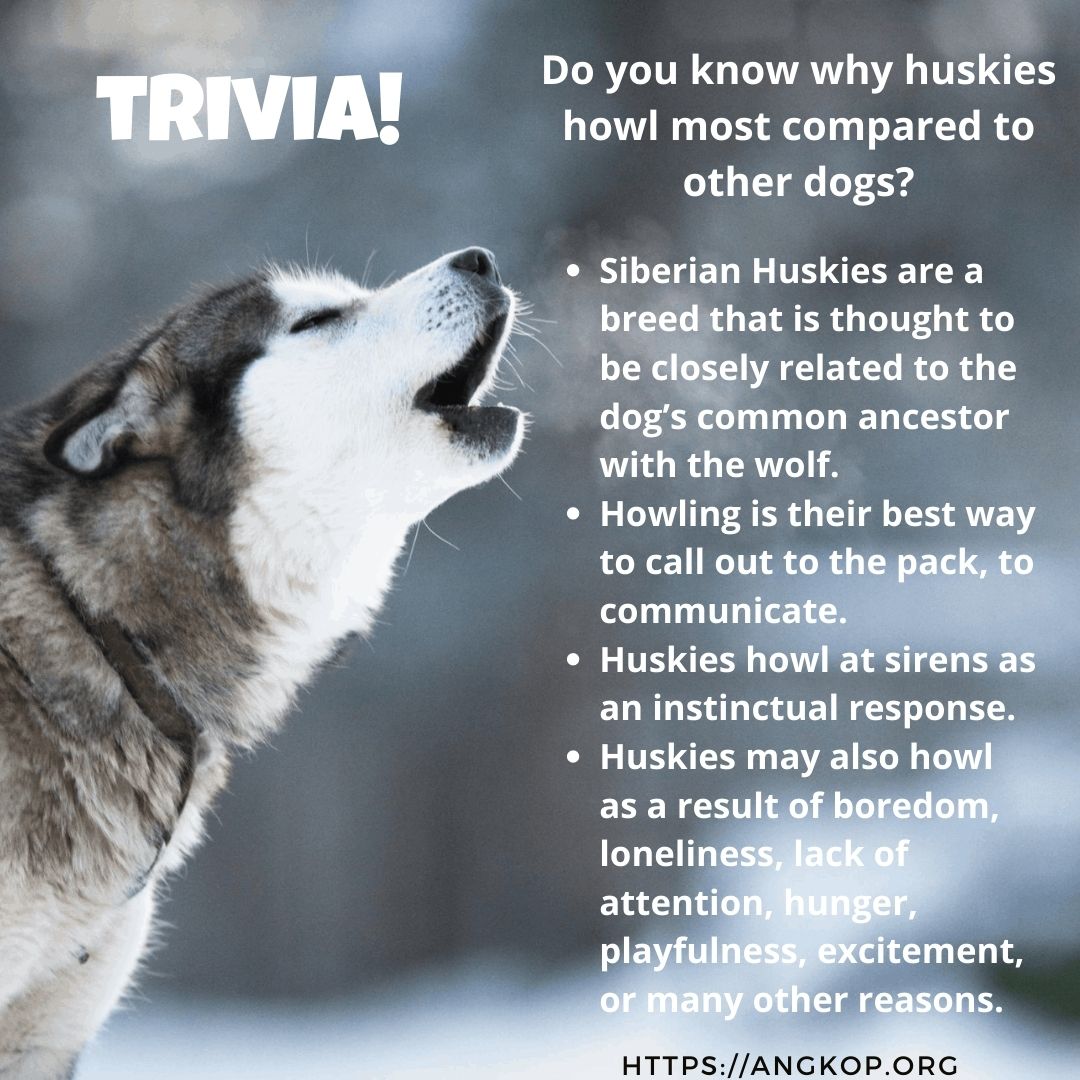
Why Dogs Howl?

Why Dogs Howl?


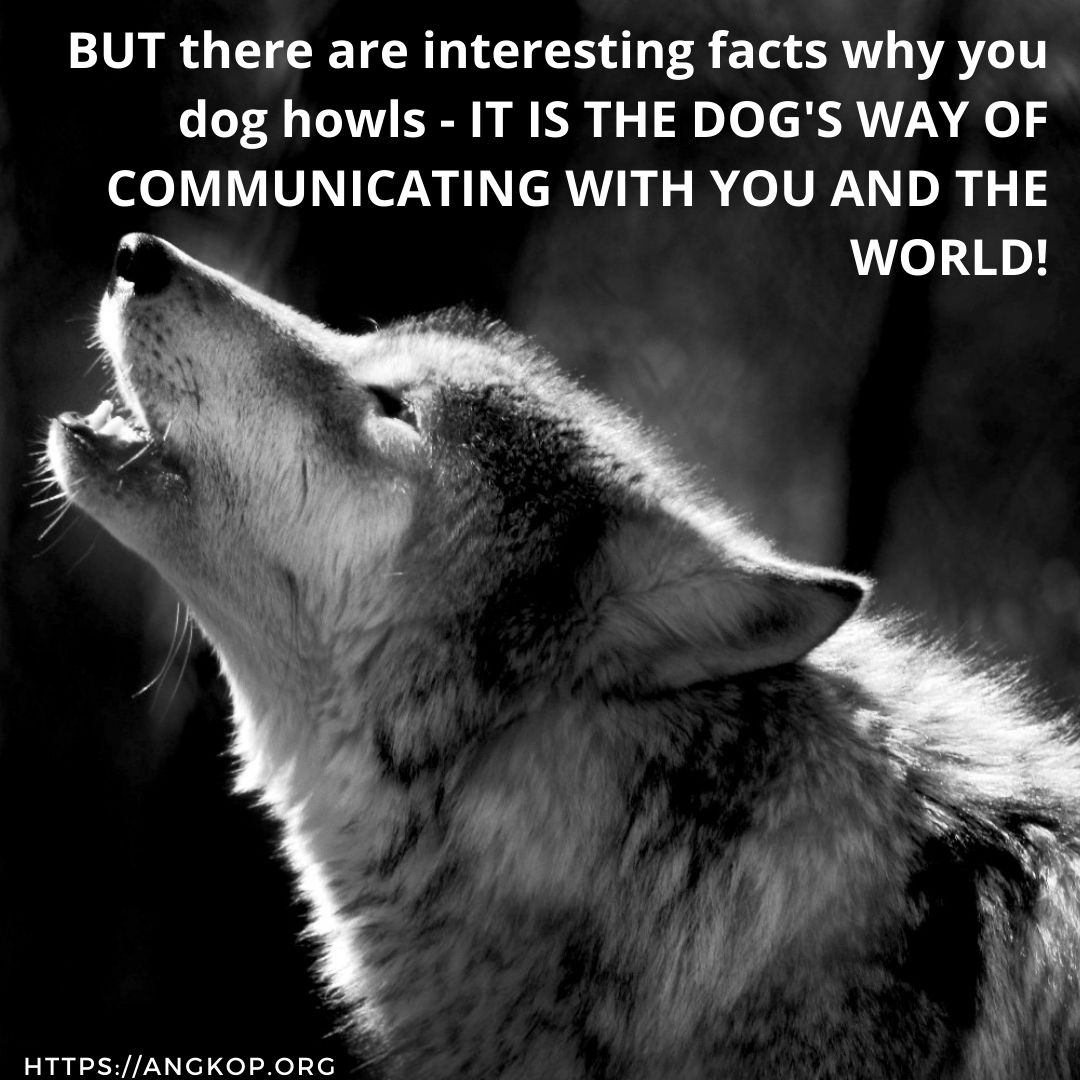
We know that there are several myths that surround this classic canine behavior and we’ve prepared interesting facts that would help us understand this.


Dogs howl to communicate

It is something that is innate to them and serves them in several ways. The sound of a howl carries across longer distances than a regular bark or growl. That means that other perceived members of the pack (or other dogs seen as competition) may be able to hear.

Howling is a way to say, “I’m here” and “let’s get together” to other dogs in their family or pack. It’s like us picking up a cell phone to call a distant friend over for dinner. 


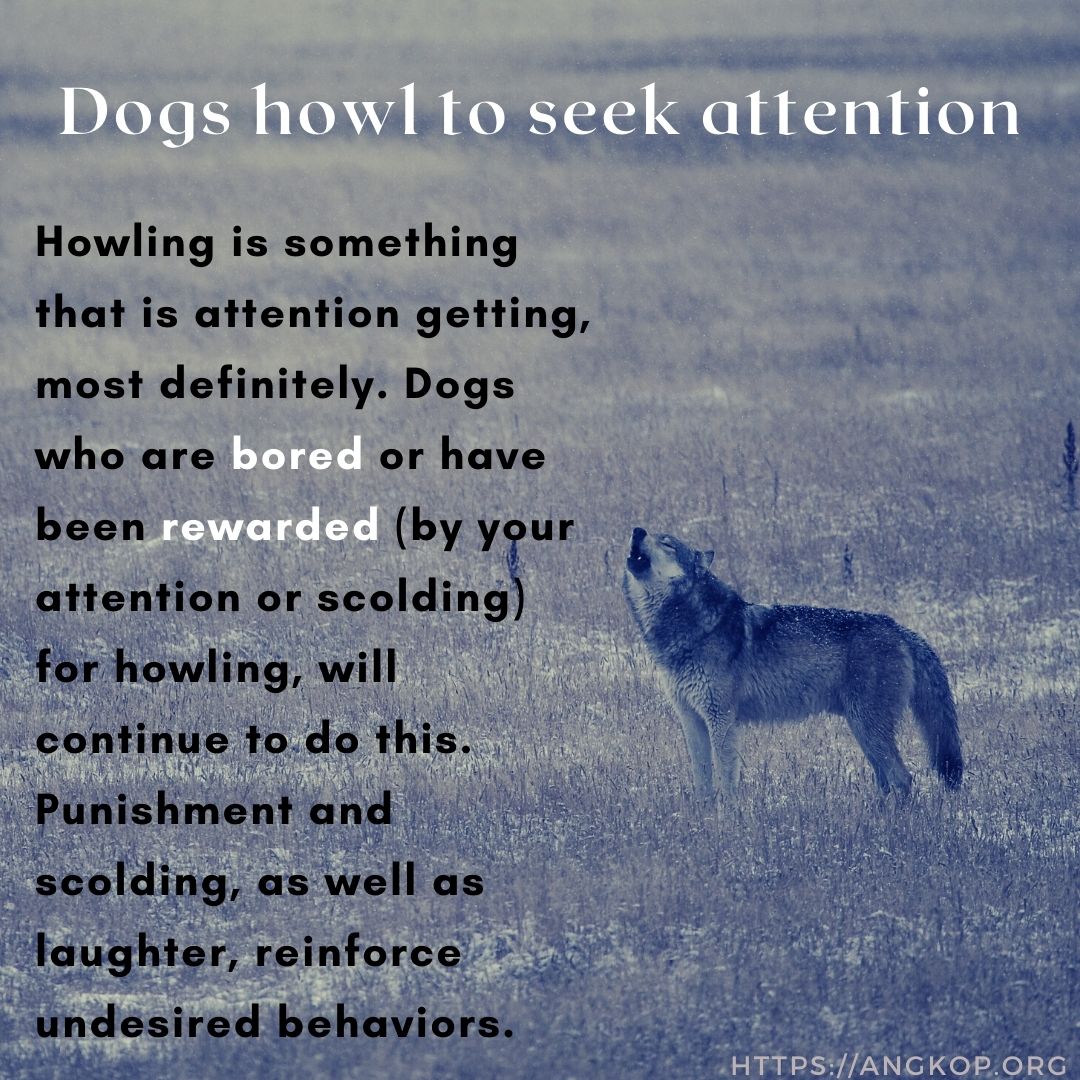
Dogs howl to seek attention

Howling is something that is attention-getting, most definitely. Dogs who are bored or have been rewarded (by your attention or scolding) for howling, will continue to do this. Punishment and scolding, as well as laughter, reinforce undesired behaviors.


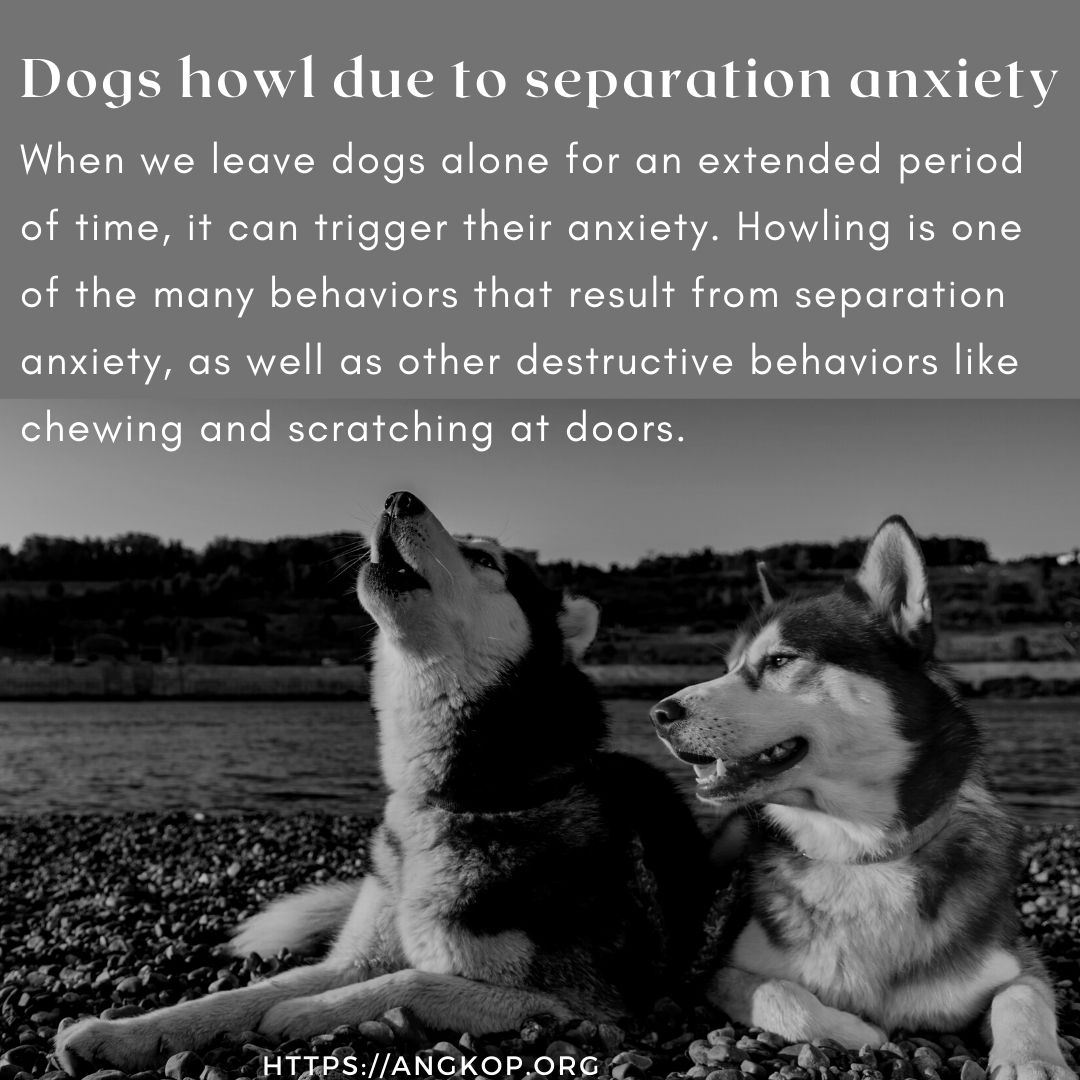
Dogs howl due to separation anxiety

Many dogs face separation anxiety, which is an intense dislike of being alone. This behavior generally stems from a need for socialization or a background that includes trauma. When we leave dogs alone for an extended period of time, it can trigger their anxiety. Howling is one of the many behaviors that result from separation anxiety, as well as other destructive behaviors like chewing and scratching at doors.


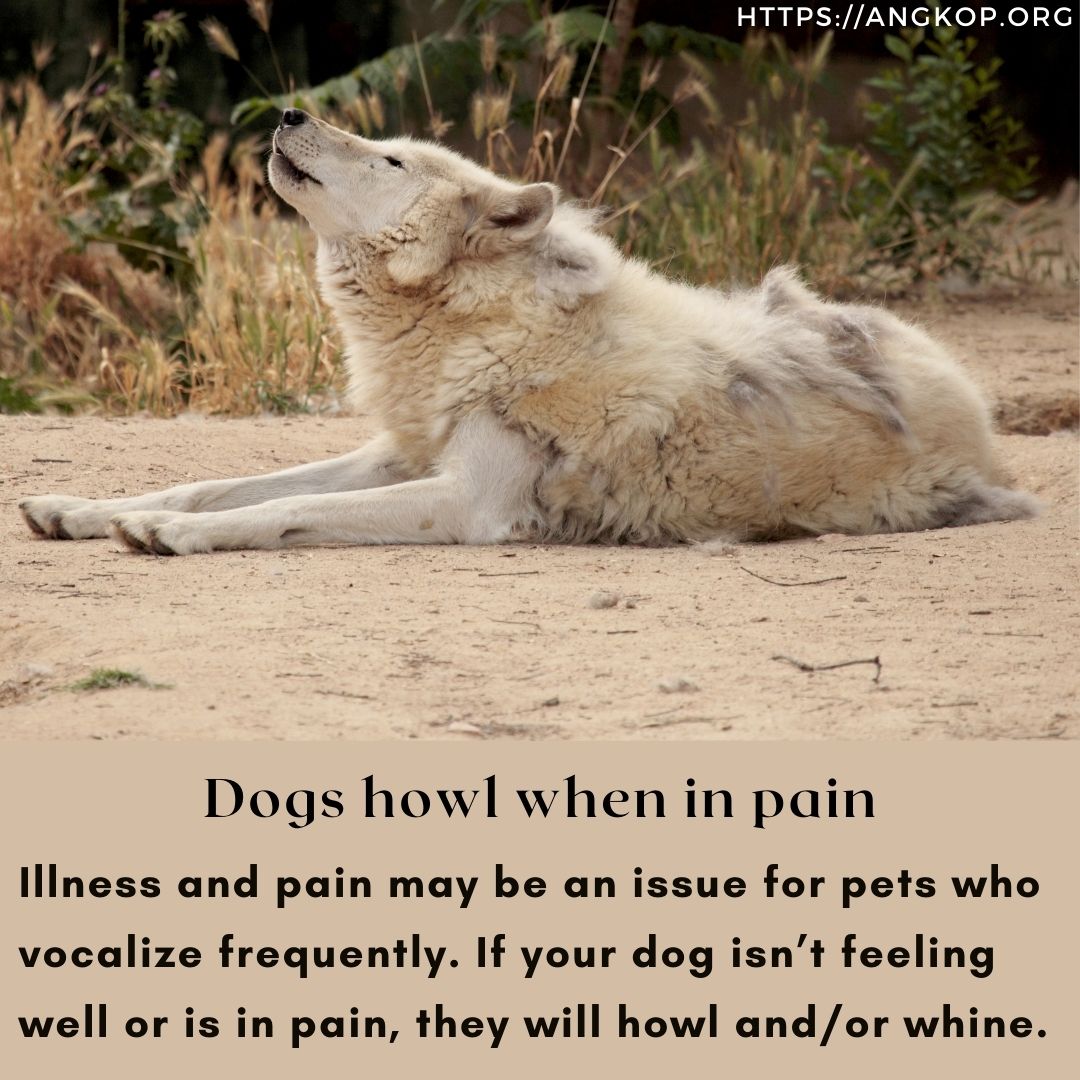
Dogs howl when in pain

Illness and pain may be an issue for pets who vocalize frequently. If your dog isn’t feeling well or is in pain, it will howl and/or whine. Address any of these signs with your veterinarian to ensure your pet is healthy and pain-free.

In general, dogs howl to get attention, make contact with other dogs, and announce their presence.


You may also visit – https://www.facebook.com/angkopparasahayop

Read More
13 Oct
0

STRAYS ON RAINY DAYS – FIND IT IN YOUR HEART TO HELP THEM!

STRAYS ON RAINY DAYS – FIND IT IN YOUR HEART TO HELP THEM!


Strays suffer the most due to the absence of a permanent roof for them during rainy days.  They cannot afford to protect themselves but you can help them by doing your bit.


  1. Provide a temporary shelter around your house – you can start by letting a stray cat or dog struggling to find cover by staying in your garage, balconies, staircase area, etc.


  1. Give them food and water – whether you’ve provided them a temporary shelter around your house or not, feeding them is very important and vital.


  1. Build a makeshift/shelter in public parks or in your locality – not everyone has an available space around the house. If you cannot afford to let a stray animal inside your home, you can do your bit by making a temporary shelter instead. 


  1. Reach out to animal shelters that can help them – it is always better to consult or contact an expert as most of the time, we are not adept to handle the situation or look after a suffering stray animal(s).


Visit us at https://www.facebook.com/angkopparasahayop

Read More
08 Oct
0

Destructive Dog Behavior

Destructive Dog Behavior

  • Behavior that causes damage to an owner’s home or belongings.
  • Primary destructive behavior is normal behavior that includes exploratory and play-based behavior.
  • Secondary destructive behavior is a clinical sign of another behavior condition.


SYSTEMS AFFECTED

  • Gastrointestinal—damage to teeth; vomiting and diarrhea, obstruction if ingested.
  • Musculoskeletal—traumatic damage caused by scratching or chewing.
  • Ingestion of toxic material could affect any organ system.


SIGNALMENT

  • Any breed or gender.
  • Primary destructive behavior is seen in dogs < 1 year of age.
  • Secondary destructive behavior can be seen at any age.


SIGNS

Primary Destructive Behavior

  • Initially occurs in the presence or absence of the owner.
  • Not preceded by a specific environmental trigger.
  • Absence of anxiety or aggression.


Secondary Destructive Behavior

  • Attention-seeking behavior—destructive behavior in the presence of the owner.
  • Separation-related anxiety—destructive behavior consistently occurs in the absence of the owner, and rarely in the presence of the owner; target items may include personal belongings, furniture, or points of egress.
  • Storm phobia, noise phobia—destructive behavior and/or anxiety-related behavior in response to stimuli whether or not the owner is present. Intensity may be greater during the owner’s absence.
  • Territorial aggression—arousal is observed in presence of the owner; destructive behavior is intermittent based on the presence of triggers; window frames and doorways are damaged.

CAUSES & RISK FACTORS

  • Primary destructive behavior represents normal behavior; inadequate supervision and insufficient access to appropriate outlets may affect destructive behavior.
  • Owner scolding, leading to either fear or attention-seeking.
  • Risk factors for anxiety-based conditions are not clearly identified.
  • Territorial aggression may have genetic and learned components.


DIAGNOSIS

DIFFERENTIAL DIAGNOSIS

  • Identify pathologic conditions.
  • If pica accompanies destructive chewing—rule out conditions affecting digestion, absorption, polyphagia, and appetite, including recent diet change.
  • If licking surfaces, rule out upper GI disease.
  • For sudden onset in a mature pet with no notable environmental changes—rule out medical conditions.
  • For age-related onset, rule out cognitive dysfunction syndrome.


CBC/BIOCHEMISTRY/URINALYSIS

Usually normal


OTHER LABORATORY TESTS

As indicated to rule out medical conditions.


IMAGING

May be indicated if there is a sudden onset in a mature pet.


DIAGNOSTIC PROCEDURES

Physical examination with attention to the GI tract.


TREATMENT

Treat the underlying disease.


PRIMARY DESTRUCTIVE BEHAVIOR

  • Supervise, confine or dog proof until appropriate behavior has been established.
  • Assure access to acceptable chew toys.
  • Reward appropriate behavior—select toys that dispense food or can be stuffed with food.
  • Interrupt inappropriate behavior, apply non-toxic bitter-tasting products, then offer appropriate activity.
  • Provide adequate interactive play.
  • Use caution in applying any form of punishment. Any correction must be applied humanely, without causing pain or fear that could trigger anxiety or aggression.


SECONDARY DESTRUCTIVE BEHAVIOR

  • Attention-seeking—provide owner-initiated interactions; teach sit for all interactions.
  • Compulsive disorder—reduce sources of anxiety; offer interactive play and appropriate chew items; prevent access to target items.
  • Separation-related anxiety—behavior modification; punishment is contraindicated.
  • Noise phobia—behavior modification; reduce access to triggers.
  • Territorial aggression—behavior modification, prevents access to doors and windows.


MISCELLANEOUS

AGE-RELATED FACTORS

Age of onset may aid in diagnosis.


PREGNANCY/FERTILITY/BREEDING

Periparturient destructive behavior (nesting).


ABBREVIATIONS

SSRI = selective serotonin reuptake inhibitor

TCA = tricyclic antidepressant


Visit your veterinarian as early recognition, diagnosis, and treatment are essential.

You may also visit – https://www.facebook.com/angkopparasahayop

Read More