
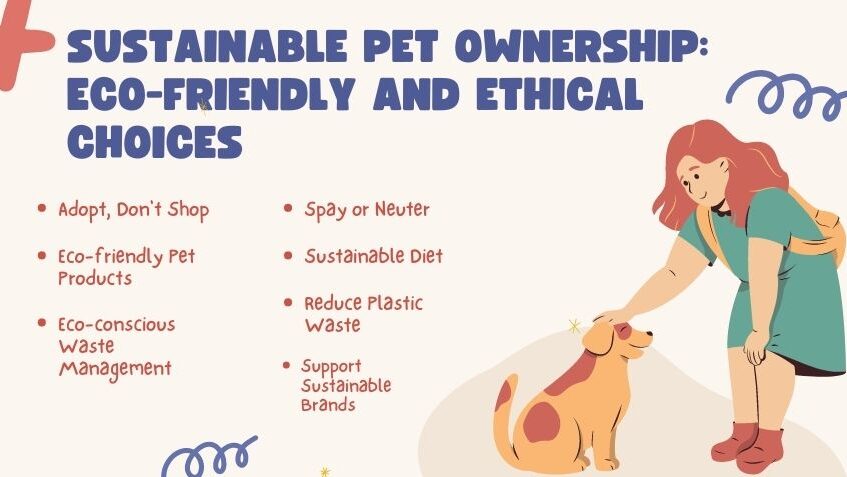
Sustainable Pet Ownership: Eco-friendly and Ethical Choices
As our awareness of environmental issues continues to grow, it is crucial to extend our sustainable practices to all aspects of our lives, including pet ownership. Sustainable pet ownership encompasses making eco-friendly and ethical choices that not only benefit our furry companions but also minimize our environmental impact. By adopting a few simple changes, pet owners can contribute to a healthier planet while ensuring the well-being of their beloved pets.
Adopt, Don’t Shop:
The first step towards sustainable pet ownership is choosing adoption over buying from pet stores or breeders. Animal shelters and rescue organizations are filled with loving animals in need of a forever home. By adopting, you provide a second chance to an animal in need and reduce the demand for breeding, which can lead to overpopulation and subsequent environmental concerns.
Spay or Neuter:
One of the most responsible choices pet owners can make is spaying or neutering their pets. This procedure helps control the population of stray animals and reduces the strain on resources required to care for them. Additionally, spaying or neutering your pet can prevent certain health issues and unwanted behaviors, contributing to their overall well-being.
Eco-friendly Pet Products:
When it comes to pet products, opting for eco-friendly alternatives can significantly reduce your environmental footprint. Choose pet supplies made from sustainable materials, such as bamboo, hemp, or organic cotton. Look for biodegradable poop bags or consider composting pet waste instead of throwing it in the trash. Additionally, select natural and chemical-free grooming products to minimize the release of harmful substances into the environment.
Sustainable Diet:
The pet food industry is not exempt from sustainability concerns. Look for pet food brands that prioritize ethical sourcing, use organic ingredients, and minimize packaging waste. Consider preparing homemade pet meals using locally sourced, organic ingredients when possible. Consult with your veterinarian to ensure your pet’s diet is nutritionally balanced.
Reduce Plastic Waste:
Plastic waste poses a significant threat to the environment. Minimize the use of plastic in your pet’s life by opting for stainless steel or ceramic food and water bowls instead of plastic ones. Choose toys made from natural materials like rubber or sustainably sourced wood, avoiding plastic-based toys that can end up in landfills or oceans.
Eco-conscious Waste Management:
Proper waste management is essential for sustainable pet ownership. When walking your pet, carry reusable bags to clean up after them. Dispose of waste in designated bins and consider composting pet waste in your backyard, following proper guidelines. By composting, you reduce the amount of waste going to landfills and contribute to soil enrichment.
Support Sustainable Brands:
Support companies and brands that are committed to sustainable practices and animal welfare. Look for certifications like Certified B Corporations, cruelty-free logos, or organic certifications. By investing in products from these brands, you encourage sustainable practices throughout the pet industry.
Sustainable pet ownership involves making conscious choices that prioritize both the well-being of our pets and the environment. By adopting, spaying or neutering, using eco-friendly products, providing a sustainable diet, reducing plastic waste, managing waste responsibly, and supporting sustainable brands, pet owners can play their part in creating a more eco-friendly and ethical world. Let us strive to be responsible stewards for our beloved pets while caring for the planet we all call home.
You may also visit – https://www.facebook.com/angkopparasahayop


