Hypothyroidism DEFINITION Clinical manifestations that result from inadequate production of thyroxine (T4) and 3,5,3′-triiodothyronine (T3) by the thyroid gland. Characterized by a generalized decrease in cellular metabolic activity. PATHOPHYSIOLOGY Acquired Hypothyroidism In dogs acquired hypothyroidism can be primary, secondary, ...
Read MoreArchive Animal Disease

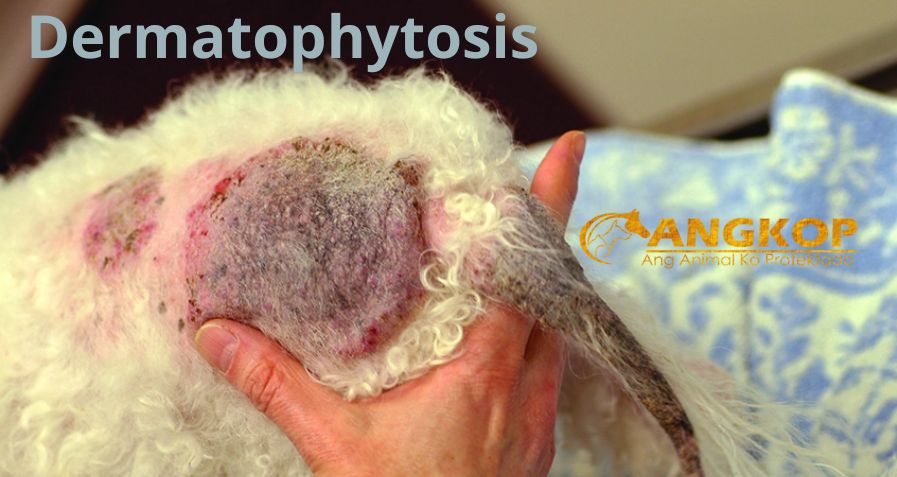
Dermatophytosis A cutaneous fungal infection affecting the cornified regions of hair, nails, and occasionally the superficial layers of the skin. Microsporum and Trichophyton dermatophytes are most commonly isolated: the majority of cases are caused by Microsporum canis; infection with Trichophyton ...
Read More
Dermatophilosis “Mud rash” or “mud fever” is a rare crusting dermatitis of dogs and cats. A rare nodular subcutaneous and oral disease in cats. Dermatophilus congolensis—causative agent; Gram-positive, branching filamentous bacterium classified as an actinomycete; very common cause of crusting ...
Read More
Polyphagia Polyphagia in dogs is the medical term used for an excessive appetite or overeating. A dog with polyphagia has an abnormal and ravenous appetite. PATHOPHYSIOLOGY Failure to assimilate or loss of nutrients (e.g., maldigestion/malabsorption syndromes such as ...
Read More

Pneumothorax Air accumulation in the pleural space; is categorized as traumatic or spontaneous. Closed pneumothorax—no defects in the thoracic wall. Open pneumothorax—defect in the thoracic wall resulting in the communication of the pleural space with the atmosphere. Tension pneumothorax— ...
Read More
Pelvic Bladder Also known as “intrapelvic bladder,” as the urinary bladder neck is caudal to the pubic bone, causing most of the urethra and a variable amount of the bladder to remain inside the bony pelvis. The association of a ...
Read More
Infectious Canine Hepatitis in Dogs Infectious canine hepatitis is an acute contagious disease caused by the canine adenovirus 1. This virus targets the spleen, kidneys, lungs, liver, the lining of blood vessels, and sometimes other organs. Symptoms can vary widely ...
Read More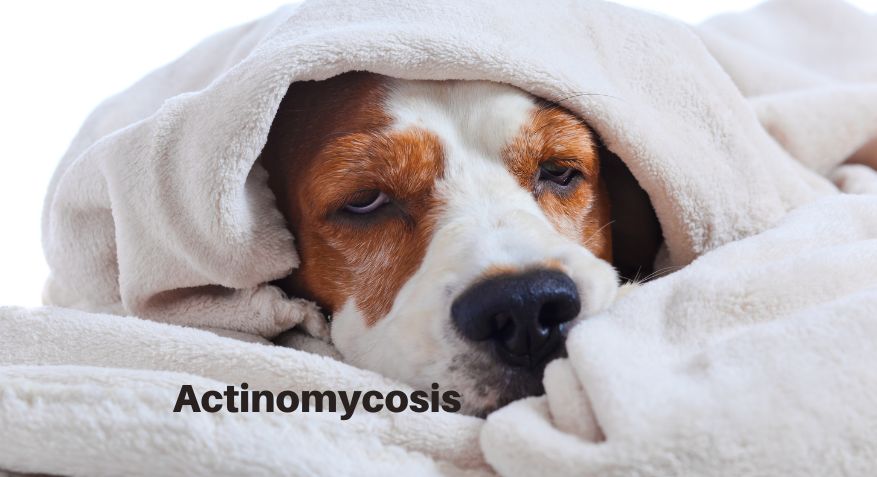
Actinomycosis Actinomycosis is an infectious disease caused by Gram-positive, branching, pleomorphic, rod-shaped bacteria of the genus Actinomyces. viscosus and A. hodeovulneris—most commonly identified isolates (though most isolates are not identified to the species level); survives in microaerophilic or anaerobic ...
Read More
Dermatophytosis A cutaneous fungal infection affecting the cornified regions of hair, nails, and occasionally the superficial layers of the skin. Microsporum and Trichophyton dermatophytes are most commonly isolated: the majority of cases are caused by Microsporum canis; infection with Trichophyton ...
Read More