Blog

21 Sep
0

How to Manage a Cat in Heat

How to Manage a Cat in Heat


A cat in heat can be difficult to live with. And because your cat’s behavior is absolutely normal, don’t try to search for a “cure.” Yes, it is possible to use vet-prescribed synthetic progesterone injections to ward off heat and save both your cat and yourself from these symptoms. But frankly, spaying is a better choice and a more permanent option

If you do intend to breed her and just need to get through these cycles, provide your cat with toys or pillows that she can shred while she’s in heat, and play with her often. Make her a nest with a warm heating pad for privacy and offer her catnip to calm her down. If things seem to escalate and she becomes troublesome, stress-relieving herbs, made especially for pets and found at your local health food store, might work as a last resort.

Like most female mammals, cats go through physical cycles that prepare their bodies for fertilization and birth. In humans, this cycle is called the “menstrual cycle.” In felines, it is called the “estrous cycle.”

When female cats are experiencing estrus they are said to be “in heat” and are hormonally receptive to both intercourse and reproduction. Cats can go into heat in late kittenhood. Thus, it’s necessary to spay them if a pregnancy is unwanted, or the responsibility of raising and finding good homes for kittens is undesirable.


Heat Cycles in Cats

Cats are seasonally polyestrous, which means that heat cycles can occur repeatedly every 14-21 days during a given breeding season.1 These cycles may start as early as four months of age and will continue until a cat is either bred or spayed. Heat or estrus in cats can last on average from six to eight days, and repeat every one to three weeks. It’s easy to see, then, how a female cat almost always seems to be in heat. Thus, many veterinarians practice early spay and neuter.

When your cat is in heat, it’s a noticeable event. And while it’s hard to prove that heat cycles aren’t painful, the calling (or loud howling) she exhibits make her seem to be uncomfortable. However, a female cat’s howling has a purpose—to attract the attention of a potential suitor. Recognizing this fact can ease your worry about something being wrong, or “off,” with your pet.


Timing Is Everything

With the arrival of spring, a female cat in her sexual prime will begin a heat cycle. The longer days, filled with warmth and sunlight, trigger the breeding season. This first heat of the season usually lasts about a week. Then, if a pregnancy isn’t achieved, she may go back into heat a few weeks later and continue this pattern until she becomes pregnant. If she mates during this time and becomes pregnant, she will go back into heat approximately eight weeks after the kittens are born, or just after they are weaned.1 But if your cat mates and doesn’t get pregnant, a false pregnancy may ensue where she exhibits the signs of pregnancy briefly, before going back into estrus four to six weeks later.


How to Manage a Cat in Heat

A cat in heat can be difficult to live with. And because your cat’s behavior is absolutely normal, don’t try to search for a “cure.” Yes, it is possible to use vet-prescribed synthetic progesterone injections to ward off heat and save both your cat and yourself from these symptoms. But frankly, spaying is a better choice and a more permanent option.2

If you do intend to breed her and just need to get through these cycles, provide your cat with toys or pillows that she can shred while she’s in heat, and play with her often. Make her a nest with a warm heating pad for privacy and offer her catnip to calm her down. If things seem to escalate and she becomes troublesome, stress-relieving herbs, made especially for pets and found at your local health food store, might work as a last resort.

You may also visit – https://www.facebook.com/angkopparasahayop


Read More
21 Sep
0

Why It’s Worth Having Your Dog Groomed Professionally

Why It’s Worth Having Your Dog Groomed Professionally

Although many dog owners prefer to groom their dogs at home, having your dog professionally groomed can save you time and energy. It takes a lot of care and patience to groom a dog, especially a fluffy one, a puppy, or one with behavioral issues. Let’s take a look at what professional groomers offer.

It does not matter if your dog does not look scruffy; dog grooming will bring about so many health benefits for your pet. The benefits may not be obvious immediately. By brushing your dogs, you are ventilating their coat, thus helping them grow healthy and strong. It is also efficient for taking away damaged old hairs on the dog’s coat. Did you know that too much grease on the dog would automatically block its pores, and cause irritations, and various skin problems?

Grooming will ensure that your pet’s skin can breathe because the grease that forms on the coat has been removed. You can also consider taking your dog for grooming to a professional when you want it to act as a good massage, therefore, promoting your dog’s blood to have healthy blood circulation.


They Do It All

A professional grooming session typically consists of the dog being brushed, bathed, and dried, as well as trimmed or clipped with clean, sanitized brushes and clipper blades.  Groomers brush or comb out mats before the bath, making it easier to lather the dog with shampoo. They clean the dog’s ears and check for signs of infection. When the coat dries, the dog is trimmed, clipped, or shaved, if needed or requested.

Groomers trim most dogs over the eyes, at the tips of the ears, and on the bottoms of the feet. They cut the dog’s nails to a comfortable length, since long nails can become painful. Groomers can also brush your dog’s teeth with a dog-specific toothpaste (although regular teeth cleaning should also be done every day at home).


They Have the Right Tools

Professional groomers have all the right tools to get your dog looking his best, from different kinds of clippers and rounded scissors to an adjustable grooming table. They’re equipped with nontoxic, gentle shampoos for dogs with skin allergies or irritations, or those with fleas.

Many groomers also know how to groom for breed show cuts, which requires precise attention to detail and knowledge of the specific breed requirements. Different coats require different brushes – and groomers have them. The more dead hair they remove from your dog, the less you’ll find on your living room rug.


They Know How to Handle Dogs

Dogs who are old or become anxious or aggressive when you try to groom them must be handled gently and confidently, and some may need to be muzzled while being groomed – something a groomer can do. If you have a condition such as back pain or arthritis, professional grooming can help by preventing you from having to do excessive lifting and handling of your dog.


They Take Care of the Yucky Stuff

Cleaning anal glands, shampooing a muddy or skunked dog, and removing fleas and ticks are not the most pleasant tasks, but they come with the responsibility of owning a dog. A professional groomer knows how to take care of these necessary, but unpleasant tasks.


Professional Grooming Offers Health Benefits

In addition to keeping your dog looking and smelling great and reducing the amount of time you need to spend grooming your dog, professional grooming offers these health benefits:


  • You improve the dental health of your pet

Most dog owners have no idea that dog brushing should become a ritual they follow regularly. Your pet’s dental health will have tremendous effects on its general physical well-being. Ensure your dog’s dental is kept clean by a professional groomer since they have the experience and expertise. It will also help you reduce expenses that come with your pet getting sick


  • It helps you avoid medical problems

Taking your pet for regular professional cleaning will assist you in reducing the dog’s medical problems. Actions such as your dog’s eyes, teeth, and ears being checked regularly will come in handy when you realize your dog no longer goes to the vet every other day. Normally, dog and cat breeds are highly susceptible to illnesses that they catch early. To ensure your dog is protected, book an appointment with a professional pet groomer. The professional will check your pet’s entire body and ensure it is in good condition.


  • Shedding is controlled

Shedding is a major issue that can easily be solved by regular grooming. It is important to note that shedding cannot be eradicated, but having your dog brushed daily and bathed using special dog conditioning shampoo by professional dog groomers assists greatly in reducing the accumulation of fur on your carpet.


Once you start taking your dog for regular grooming, for example, brushes using a pet brush will stimulate oil-producing glands in the animal’s skin, thus helping it remain hanging and healthy. By making this a norm, you will notice a drop in shedding. Remember professionals share these ways to groom your dog, and this comes down to different breeds. In addition, the professionals can trim your dog’s hair, which is especially important for dogs with thick coats.


  • It makes your pets more social

According to research, most dogs that are accustomed to being touched are those that are having a grooming ritual regularly. Having your dog’s hair brushed by a professional on regular helps relax your dog. Having a stranger brush makes the dog acquainted more with other people. It is also a good opportunity for the dog to experience a massage.


How Often Should I Have My Dog Groomed?

The frequency of grooming your dog depends on a mix of variables, including breed, coat length and type, amount of time spent outside getting dirty, and climate. It also depends on how you ask a professional to groom your dog – a short puppy cut might mean a return trip isn’t required for several months – and whether you feel comfortable doing some touch-up grooming at home.

No matter whether you visit a professional with your dog every six weeks or three times a year, it’s best to do a little additional grooming at home. Cleaning teeth, trimming nails, brushing the coat, de-matting, monthly shampoos, checking ears, and freshening up private parts will make your canine pal more healthy, comfortable, and pleasant to live with.

For young puppies and dogs who have never been professionally groomed, you should take gentle and gradual steps to handle and brush your dog, touch feet and nails and offer treats, and even try running an electric toothbrush around the coat for dogs that will need to be clipped. Grooming is a bonding experience for you and your dog and will make the process more pleasant for the long run.

It is important to note that different factors affect the frequency in which you should take your dog for grooming. These factors include the dog’s breed, coat type and length, climate and the amount you spend outside. Visit a professional groomer regularly, and get your dog feeling healthy and good.


You may also visit – https://www.facebook.com/angkopparasahayop

Read More
15 Sep
0

Dog Park Etiquette – Do’s and Don’ts

Dog Park Etiquette – Do’s and Don’ts

Dog park rules and regulations are there to ensure the safety and fun of all its visitors. No matter what type of dog park you go to, knowing and following its rules will help keep you and your dog safe.

Pet parents are responsible for their animals. Take responsibility for your dogs’ behavior at all times. Make sure he’s properly socialized and non-aggressive toward strangers and the dogs they’re playing with.


  • Put Your Phone Away


Do you pull out your phone as soon as you release your dog for some off-leash play? If so, it’s time to break that habit. Texting friends or scrolling through social media might not seem like a big deal, but doing so puts your pet at risk. It only takes seconds for something to go horribly wrong, and you may not have time to intervene if you’re busy staring at your phone. Put it away so you can watch your dog and other pups in the park.


  • Watch for Signs of Impending Trouble

Even the best, most well-behaved dogs can have bad days or be provoked by unfamiliar pets and people. Pay attention, and make sure your dog minds their manners with others. Rude behaviors like chasing, humping, body slamming, etc., indicate that it’s time to take a break or head home for the day. Be mindful of excessive barking, too. In addition to annoying other pet parents, your canine companion’s constant barking could trigger aggression in other dogs.


  • Clean Up After Your Dog

Be prepared to pick up your dog’s waste and dispose of it properly. While many dog parks have stations with bags, we recommend bringing your own to be on the safe side. No one wants to step into a disgusting mess while trying to have fun with their dog. Plus, leaving messes behind is unsanitary and could make other dogs (or even people) sick.


  • Leave Your Dog Home if She’s in Heat

Unspayed females don’t belong in dog parks when they’re in heat. Doing so risks pregnancy, and a female dog in heat can distract other dogs and cause fights. It’s just not worth the risk. If you want to be able to take your dog to the park whenever you please, we strongly recommend having her spayed as soon as possible.


  • Keep a Leash with You at All Times

Don’t shove your dog’s leash in a bag or leave it sitting somewhere while you are in the park. Keep it close at hand in case you need to quickly remove your pet from a situation involving an aggressive or otherwise unpleasant dog. Having the leash handy allows you to control your dog better if they exhibit bad manners.


  • Don’t Bring Food into the Dog Park

Dog food; treats, and people’s food doesn’t belong in dog parks. While some dogs have excellent manners during meal and snack times, others don’t. Some may behave aggressively if they know you or your dog has food. If your canine companion usually receives a treat after doing their business or following a command, give them pets and verbal praise instead. Food and treats aren’t the only ways to reward your furry friend!


  • Leave Young Kids at Home

Bringing a young child — especially an infant or toddler — to a dog park is a serious safety risk. Dogs can easily knock small children over while playing. Plus, those who aren’t used to kids or have strong prey drives could become aggressive and cause serious injuries. If that happens, your child could develop a life-long fear of dogs or experience lasting problems due to their injuries. And the offending dog may lose their life. For everyone’s safety, leave the kiddos at home when going to the dog park.


  • Make Sure Your Dog Has a Well-Fitting Collar and Identification

Off-leash dog parks have fences, but that doesn’t mean that escape is 100 percent impossible. It only takes seconds for a dog to dart out of an open gate. Protect your four-legged best friend by ensuring they have a well-fitting collar with identification tags every time they visit a dog park. Having your dog microchipped is a good idea, too, and can help you reunite with your dog if they ever get lost


Before visiting a dog park, vaccinate your dog against several

common illnesses, including:


  • Rabies
  • Parvovirus
  • Distemper
  • Bordetella (Kennel Cough)
  • Canine Influenza

We also recommend keeping your pup on an effective flea, tick, and heartworm preventative year-round. They should also have their stool checked annually for intestinal parasites.


Talk to Your Veterinarian

It’s never a bad idea to consult your dog’s veterinarian before taking them to a dog park for the first time. As your dog’s doctor, we can ensure they’re up-to-date on vaccinations and free from health problems. Plus, we’ll help you determine whether your canine companion’s temperament suits that type of setting. Contact your local primary care veterinarian!

You may also visit – https://www.facebook.com/angkopparasahayop

Read More
15 Sep
0

Why dog toys are so important

Why dog toys are so important

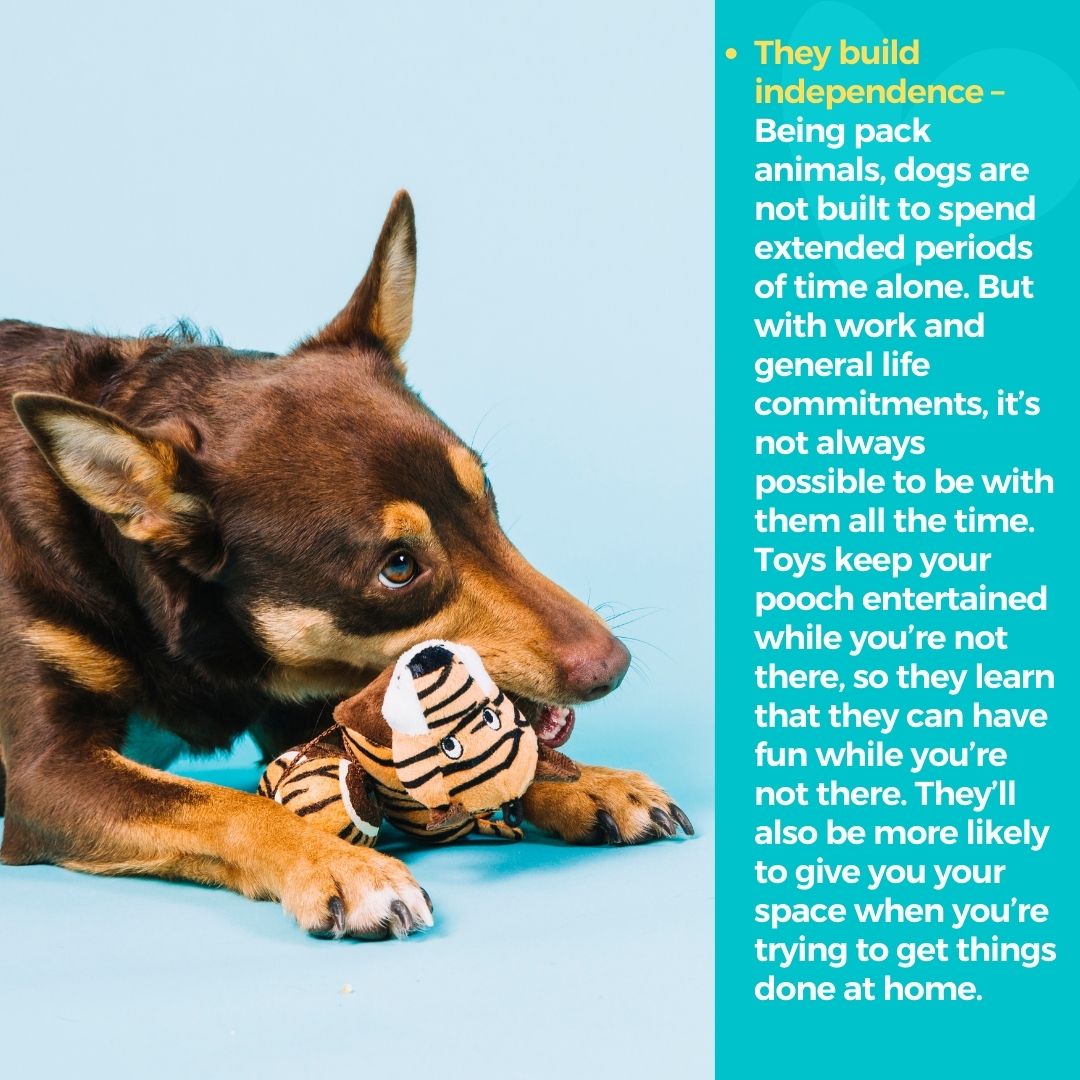
Especially when your dog is a puppy, it’s important to give them access to toys, specifically teething toys. During their developmental period (for puppies, it is between 2 months to 10 months), it’s crucial to allow young dogs to chew on toys and get the relief they need from teething. Teething is very uncomfortable for them, so it is wonderful to build the relationship now with chew toys being a positive association! Do not give them toys that would resemble household objects that they are not supposed to chew on, such as a tv remote plush or a rubber shoe chew toy. This allows your pet to distinguish chewable things from non-chewable ones and will make it much easier in the future to build that better habit.

Providing them with the right things to chew on will give them the stimulation they need while creating a positive connection between the toy and whatever situation they are in.


What Characteristics Make a Chew Toy “Safe”?

Chew toys for the use of fun and stimulation are fine as long as they fit the thumbnail test. If your thumbnail can make an indent in the object, it’s okay to chew. If your thumbnail bends, it’s likely to break teeth. Rubber or silicone is usually a safe option and is pliable enough not to cause damage to your pet’s teeth. The size of a chew toy also matters. Too small and your pet can risk accidentally swallowing and choking. Another characteristic to avoid would be any toys with holes. There have been many instances in Emergency Hospitals where a pet has gotten their jaw and/or teeth stuck in a chew toy and either had to be removed by breaking the toy or even surgically.

Some pets like to chew on different textures such as fabric and rope. These we will refer to soft toys. Soft toys should not contain anything that could be ripped off or ingested, such as eyes, strings, tassels, etc. When toys start to become damaged or frayed, you should throw them away immediately. Dogs are notorious for quickly ripping something off and eating it the first chance they get! Each soft toy should be very sturdy and machine washable, so you can decontaminate it as needed. No soft toy should contain beads, packing peanuts, or anything that is not labeled as “safe” stuffing. Although it is labeled as “safe,” it does not mean they can eat it as much as they want, and every pet should be monitored when they play with soft toys.


Reasons why dog toys are so important


Read More
13 Sep
0

CAT HEAT CYCLE

CAT HEAT CYCLE


Just like most female mammals, cats experience monthly cycles. However, their ‘periods’ are quite different from the menstrual cycle in humans.

Female cats do not cycle at regular intervals throughout the year. Cats tend to come into heat in relation to the season. The mating season in cats is determined by a number of factors, including the length of daylight and the presence of other cats. When there are 10 hours of daylight and other conditions are optimal, the hormonal system is activated, and the queen begins the reproductive cycle.


Do cats have periods?

In a sense, yes, cats do have menstrual periods. In felines it’s called ‘oestrus’, but many people just refer to it as being ‘in heat’.

Only unspayed female cats go through these cycles but rather than shedding the old womb lining as humans do, they reabsorb it, so bleeding is a very rare side effect.


Cat Heat Cycle

The estrous heat cycle or reproductive cycle of cats has four distinct stages: anestrous, proestrus, estrus, and metestrus.


  • Anestrous in Cats

This is where the queen does not come into heat and her ovaries are in a quiescent (inactive) stage. This would be the period of no sexual activity. In most areas of the United States, this would run from late September through mid-January. The low light and short length of daylight are primary factors in suppressing the heat cycles during the winter months. Cats kept indoors may be stimulated to cycle from artificial light sources that are lengthening the queen’s day. If light levels are similar to those experienced during the peak breeding seasons of early spring, they start cycling.


  • Proestrus in Cats

Is used to describe the stage of estrous immediately the following anestrus. In this stage of heat, the ovaries are becoming active in follicle formation. This lasts from one to four days. Unlike the bitch, the queen’s vulva enlarges only slightly and appears somewhat moist, but no discharge comes from the hormonal changes. The queen shows increased appetite and restlessness, utters short low calls, and displays more than usual affection for her owner. This is best described as the period in which the cat is coming into heat, but is not yet ready to be bred. Hormones such as the follicle-stimulating hormone (FSH) and estrogen help promote egg development occurring during this phase.


  • Estrus in Cats

Is the period of the heat cycle when the cat is able to become pregnant. Estrus in cats is what breeders refer to as heat or the call, as queens can be quite vocal, yowling when in heat. Length is variable but usually lasts 10 to 14 days. During this period, the queen will insist the owner notice behavioral and other physical changes in the female. The queen “in heat” will vocalize and urinate frequently. She will appear overly passionate by rolling, rubbing, and assuming the breeding posture with the head and forelegs low to the ground and the rump area held high. As the urge to mate becomes pronounced, her cries become alarming – sounding like those of an animal in pain. This “call” will attract toms from near and far. Unlike the female dog, the queen usually has little if any noticeable vaginal discharge in either the proestrus or estrus phase.


  • Metestrus in Cats

Is the time immediately after estrus? The female will not pay attention or accept the male at this time and will return to her normal self.


How long do heat cycles last in cats?

heat cycles tend to last several days in cats—the average is six days—however, they can last up to two weeks. If your cat doesn’t mate during this time, it’ll go out of the heat for a little while and then come back in. These cycles will continue to repeat until the cat either become pregnant or is spayed. If your cat mates, they’ll go out of oestrus within a day or two.


Your cat will display behavioral rather than physical signs when they’re in heat. Here’s what to look out for:

You may also visit – https://www.facebook.com/angkopparasahayop

Read More
13 Sep
0

Why Don’t Cats Visit the Vet as Often as They Should?

Why Don’t Cats Visit the Vet as Often as They Should?

It’s very important for indoor cats to see the vet at least once a year, ideally every six months. This will ensure that they get the vaccinations they need, and enable you to detect and act on any health issues that may be developing before it’s too late.

Many theories have been proposed to explain the discrepancy in veterinary care between cats and dogs. Unfortunately, being healthier or having nine lives is not one of them.

One of the proposed theories is based on the observation that cats are masters of hiding illness. In the “survival of the fittest” world of our domestic cat’s wild ancestors, it is believed that hiding illness gave them a survival advantage by masking weakness. As a result, our domestic cats have become skilled at hiding their symptoms until problems become very advanced. Unfortunately, without the specialized training of a veterinarian, cat parents can easily miss the subtle, early symptoms, and not visit the veterinarian when they need to.

Another reason why cats are brought to the veterinarian less often than dogs is based on the fear cat parents has that a visit to the veterinarian will be a stressful experience for their cat and themselves. Cats are smart, so it doesn’t take long for them to figure out what’s going on. If they don’t want to go to the veterinarian, they will fight you tooth and nail. Anyone who has dealt with a fractious cat knows how quickly a cuddly kitty can transform into fighting, clawing, biting fury of fur.

Most cats don’t show overt signs of pain or illness until the problem is advanced. But with regular preventive care and early intervention, common feline health problems such as kidney disease, osteoarthritis, hyperthyroidism, and even cancer can be detected earlier, when they are often more treatable and less expensive.


Why aren’t cats taken to the veterinarian as often as dogs? Let’s find out.

  • Routine wellness care may not be budgeted — Some people may believe preventive veterinary care is an unnecessary expense, and prefer to get help only when their pet is ill or injured, yet routine wellness care can save money in the long run. By investing in preventive care for your cat, you can ward off many potentially life-threatening—and costly—diseases.


  • Cats appear healthy and normal — One of the top reasons people do not take their cat to the veterinarian is because they don’t notice any problems. However, cats are pros at hiding illness and injury; and may be silently suffering without veterinary care.


  • Vaccinations are not due — As more vaccinations provide three-year protection, pet owners may not take their cat for an annual wellness exam if no vaccines are due that year.


  • Transportation is tedious — Cats are homebodies, and prefer to stay in familiar territory, so convincing them that their carrier is a safe place can be a struggle. Many cats fail to receive veterinary care because of transportation difficulties, but there are ways to make the journey easier. Check out International Cat Care’s tips on transporting your cat to the veterinarian.


  • An indoor cat is a safe, healthy cat — Your kitty may never step a single paw outdoors, but they are still at risk for infectious diseases, parasites, dental disease, and a host of other problems.

There is no strong excuse for not providing vital routine veterinary care for your cat, to keep them happy, healthy, and pain-free.

To help make regular checkups easier, look for a cat-friendly practice.  These veterinary practices must meet certain criteria, all designed to make the visits less stressful for cats and their owners. They even provide you with tips on how to get your kitty to the clinic without a fuss, and once you arrive, they’ll use gentle handling techniques to help put your cat at ease.

With regular, preventive veterinary care, more cats can live longer, happier, and more pain-free lives.

Nothing is more important to your cat’s continued health and well-being than regular preventive care provided by veterinarians.

You may also visit – https://www.facebook.com/angkopparasahayop

Read More
12 Sep
0

QUEEN ELIZABETH II AND HER “MOVING CARPET”

QUEEN ELIZABETH II AND HER “MOVING CARPET”

Queen Elizabeth II, the UK’s longest-serving monarch, has died at Balmoral aged 96, after reigning for 70 years.  She died peacefully on Thursday afternoon at her Scottish estate, where she had spent much of the summer.

The Queen was a major animal lover who collected furry friends throughout her life.  Elizabeth’s dogs are thought to be among her most consistent loves.  Her love for corgis began in 1933 when her father, King George VI, brought home a Pembroke Welsh corgi they named Dookie.

It wasn’t long before he added another dog into the family, a corgi named Jane. In 1938, Jane then gave birth to two puppies, named Crackers and Carol.

For Elizabeth’s 18th birthday, she was given her own corgi named Susan. In the decades since, all of the corgis bred by Elizabeth were descended from her beloved Susan.

Queen Elizabeth II adored her beloved Corgis and figures reveal she was pivotal in the breed’s popularity with last year showing the highest number of dogs born in 30 years.

The Queen had three corgis at the time of her death and the Duke of York and his ex-wife the Duchess of York will now take on the dogs.

The Royal Family has now entered a period of mourning. In the coming days, much of national life will be put on hold.

A state funeral for the Queen is expected in the next two weeks.

You may also visit – https://www.facebook.com/angkopparasahayop
Read More
06 Sep
0

Why Cats are Safer Inside

Why Cats are Safer Inside

If you feel your cat should roam the great outdoors, you’re not alone. Many cat lovers feel their cat is happiest lounging in the fresh air or stalking unsuspecting prey. However, there are many reasons why it’s safer for your kitty to stay inside – traffic being one – and many cat owners are realizing the dangers of life outdoors.

In general, a cat who spends his entire life indoors will live many years longer than a cat restricted exclusively to the outdoors. If your cat has indoor/outdoor access, chances are he’ll live longer than the exclusively outdoor feline but he still faces increased risks to his health and safety that can impact his lifespan.


An Indoor Cat Is Relatively Safe from Many Diseases

Cats allowed free access to the outdoors invariably come into contact with other cats. Even casual contact can transmit parasites and more serious diseases:

  • FeLV (Feline Leukemia)
  • FIP (Feline Infectious Peritonitis)
  • Panleukopenia (Feline Distemper)
  • FIV (Feline Immunodeficiency Virus)
  • Zoonotic Diseases
  • Mice your cat may eat or bring home can also cause a host of other dangerous diseases.

Rarely mentioned, but equally serious is the possibility of skin cancer from over-exposure to the sun. White and other light-colored cats can develop squamous cell carcinoma, a serious, painful disease.


Indoor Cats Do Not Get Hit by Cars

More cats are killed by cars annually than are euthanized. Even the most careful driver cannot avoid hitting a cat that runs across the street in front of a car. Even so-called “safe” country areas are no guarantee for cats. Speeding vehicles are a major source of untimely deaths for cats.


Indoor Cats Are Safe from Wildlife Dangers and Dog Packs

Outdoor cats are below wildlife predators in the food chain, and they are sitting ducks for owls, raptors, coyotes, and native big cats. Dogs running in packs will consider a cat fair game; even one large dog can easily overpower and kill a cat.


Remember that some dogs are also bred to attack; they are not really to blame when their instinct takes over. Even with a full set of fangs and claws, the cat rarely has a chance when caught outside, and declawed cats are even more at risk.


Unfriendly Neighbors

No one wants to think another person would harm an animal, but there is evidence to the contrary. Whether it’s on the news or via word-of-mouth, we’ve heard horror stories of neighbors poisoning other people’s pets or calling animal control to pick up a “stray” cat.

It doesn’t have to be a nearby neighbor that you even know either. One thing that many people don’t realize is how far their housecat is likely to roam. Now, you probably don’t leave your cat out all night, but even in the evening, your cat could wander far afield. That also makes them more at risk for predators.


If you’re concerned about your kitty being bored inside, then make the inside interesting. Get a kitty condo so they can go climbing. Play with your cat daily. Get some catnip. Indoor cats can live a rich and happy life, and you can help them.

Hopefully, now you realize the benefits of keeping your cat inside rather than allowing them to roam the streets. If you have a cat who insists on going outside, it is possible to transition your indoor/outdoor kitty to indoors only!

You may also visit – https://www.facebook.com/angkopparasahayop



Read More
06 Sep
0

Meet The Millionaire Who Spent His Entire Fortune On Saving Stray Dogs

Wang Yan, the Chinese millionaire who spent his entire fortune saving dogs from the slaughterhouse

Wang Yan, is a Chinese self-professed ‘animal welfare activist’ in Helong city, Northeast China. He was formerly a proprietor of an iron and steel factory; and was a millionaire. His story started in 2012 when his dog went missing. He searched far and wide but the dog he loved was never found. From that year he started a rescue center for dogs in Helong city.

Yan thus realized how dogs are treated in China and embarked on a mission: to save as many dogs as he could. He invested all his holdings to buy an abandoned slaughterhouse and turn it into a shelter for stray dogs, the “Changchun Animal Rescue Base”. Ever since the shelter has been established, Yan rescued over 2,000 dogs, otherwise destined for the slaughterhouse.

Love for animals had a significant impact on the life of Yan, who got into debt to keep the shelter open and buy food and medicines for his dogs. “I don’t accept cash donations, but instead hope to receive donations of food and other supplies for the dogs.”

You may also visit – https://www.facebook.com/angkopparasahayop

Read More
05 Sep
0

STRAY CAT TO HOUSE CAT

STRAY CAT TO HOUSE CAT


Generally, stray cats—those that have had basic human socialization—may easily adapt to home life and form bonds with people.

They can become your beloved house cat, but there are some caveats you should consider:


  1. Make Gradual Introductions

Cats brought into the home should be secluded from other animals.  That will allow them to adapt to the sights, sounds, and smells in their new environments. You and others in your home might be used to the sound of the dishwasher or doorbell, but new pets aren’t.

You may want your new cat to become best friends with your current cat or other pet. That can happen if you slowly introduce them. For first meetings, you keep it to just a few minutes long. Each day, allow the pets to see each other for longer periods of time, and allow them to gradually interact with you.

Allowing cats to see each other for short times, such as through glass doors, is another way to begin to introduce them. But depending on the stray cat’s background, she may not acclimate as you would hope.


  1. Pet Supplies for Bringing Home a Stray Cat

If you are taking in a stray cat, here are some supplies you should have on hand:

  • Litter Boxes. When cats have lived outdoors, they often must be reintroduced to using litter boxes. Dr. Truitt says that it’s a wise idea to have one on each floor of your home.


  • Cat Toys. It’s a great idea to have a few cat toys for your new kitty to play with to keep them mentally and physically stimulated. In the beginning, keep the new cat’s toys separate from those of your other cat or pet, advises Dr. Truitt. Try different types of toys, like cat feather wands, interactive laser pointers, and toy mice. Playing with your cat is a great way to build trust and strengthen your bond while also providing a healthy outlet for their exercise needs.


  • Cat Scratchers and Trees. Some cats prefer to scratch vertically, while others enjoy horizontal scratching. Buy a few different types of cat scratchers so you can discover which your new cat prefers, says Uncles. You can also get something that offers both options and gives your cat a safe, high place to go to—a tall cat tree. Don’t assume that your new cat will have the same cat-scratching preferences as your current or previous cat.


  • Calming Aids. There are some natural cat calming products you can discuss with your veterinarian when bringing any new cat into the household—especially a stray or feral cat. Cat pheromone diffusers and cat calming treats can be helpful if used correctly.


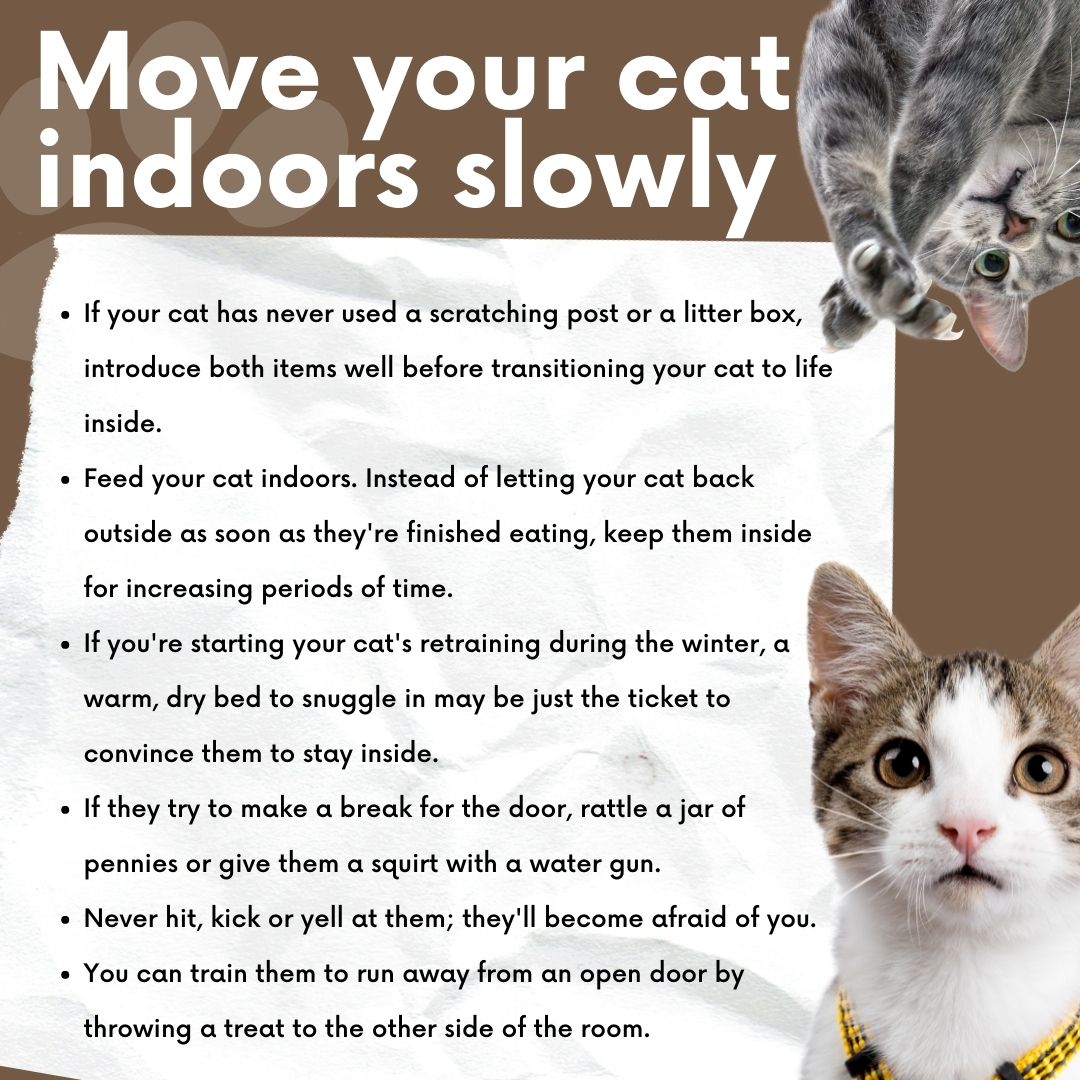
  1. Move your cat indoors slowly

Taking in a stray cat is a great way to adopt a new pet that otherwise may never have a good home. Before you decide to adopt the pet as your own, make sure that it doesn’t have an owner. If the cat doesn’t have a home, vaccinate it, treat any injuries or illnesses, and then slowly introduce it to your home.

You may also visit – https://www.facebook.com/angkopparasahayop

Read More