Blog

10 Oct
0

Dehydration in Cats

Dehydration in Cats


Cat dehydration happens when there is excessive fluid loss from the cat’s body. When this occurs, it’s not just water loss. It is also a loss of some essential minerals in their body like chloride, sodium, and potassium.

Water is essential to your cat’s health. It helps it maintain good health and replace the fluids that they lose through their urine and feces. Water is also necessary for your cat’s circulation, digestion, and waste removal. If dehydration is left untreated in your cat, the condition can lead to other severe medical concerns.

Cats can become dehydrated for a number of reasons. One of the primary reasons is it’s in their genes. Felines evolved from desert dwellers, and therefore have a low thirst drive and can survive on less water than their canine counterparts.

Cats have near-sightedness issues, so it may be hard for cats to visualize the edge of the water in a bowl. Additionally, when cats lap water from a bowl, they curve their tongue into a J-shape and bite off a column of water, which is incredibly inefficient. Cats only end up with 3/100 of a teaspoon per lap!

Plus, cats are sensitive to the taste and presentation of water. Most cats instinctively gravitate toward fresh, moving water.

Conditions that make cats more prone to dehydration include chronic kidney disease and other conditions, such as diarrhea or diabetes.


Signs of Dehydration in Cats

If your cat neglects her water bowl, she may become dehydrated. Signs of a dehydrated cat include:

  • Dry gums
  • Lethargy or depression
  • Loss of appetite
  • Decrease in skin elasticity
  • Elevated heart rate

You may have a dehydrated cat on your hands if you gently pinch the skin over her shoulders and the skin stays gathered when you release it. This is known as “skin tenting” and is a sign of dehydration.

If you notice any of the above signs, call your veterinarian. They can give your cat fluids, rule out any potential illnesses and offer guidance on preventing dehydration in the future.


How Much Water Should a Cat Drink?

Cats need varying amounts of water based on their weight and the type of food they eat (dry kibble or canned wet food).


It’s difficult for even the healthiest of cats to drink the right amount of water because of the unique shape of their tongues. A single lap of water only provides a cat with 3/100 of a teaspoon.


Although many cats struggle to stay hydrated, some cats can drink too much water. If your cat drinks more water than usual, it may be a sign of feline hyperthyroidism or diabetes.


How to Get a Cat to Drink Water

Getting your cat to drink more water can be tricky. You may have to experiment until you find something she likes. Start with one or more of the following suggestions to see how your cat reacts.


Choose the Right Water Bowl

If your cat’s current water bowl is deep and narrow, it may touch her whiskers, which is uncomfortable. Try switching your cat’s water bowl to a wider, shallower dish with a smaller lip to see if she drinks more.


Place it in the Right Location

Although it’s tempting to stick your cat’s food and water bowls in an out-of-the-way area, cats don’t like being boxed into a corner. They prefer locations where they can see their surroundings with a quick glance and don’t have to worry about anyone sneaking up behind them. See if moving her water bowl to a new location helps.


Keep it Fresh

The longer water sits, the more particles it collects. Dust, dirt, hair and more can all collect in your cat’s water bowl, making her less inclined to drink from it. Put fresh water in her bowl one to two times a day.

Try a Cat Water Fountain

Cats love running water and there are many theories why. It may also appeal to more of their senses, as they can see it move, hear the sound it makes and even taste a difference. A cat water fountain can make drinking water more exciting and pleasurable for your kitty.


Add Wet Cat Food to Her Diet

Water isn’t the only way to keep your cat hydrated. If you’ve tried all the above and she’s still not drinking enough, try hydrating with wet cat food or broths. Although it can’t replace water altogether, supplementing with wet food can help increase her overall water intake to help prevent dehydration.

For some cats, even the fanciest water bowls and cat fountains and the most delicious wet foods aren’t enough. If your cat still isn’t drinking enough water, talk to your veterinarian. They may recommend a cat hydration supplement or give you more tips to help increase your cat’s water intake.

Not only do cats drink water, but it’s vital for their survival. Keeping your cat hydrated will help keep her happy and healthy. Explore all the wet cat food options we offer to help increase your cat’s total water consumption. Always check with your veterinarian before adding new food to your cat’s diet.

Visit your veterinarian as early recognition, diagnosis, and treatment are essential.

You may also visit – https://www.facebook.com/angkopparasahayop

Read More
10 Oct
0

Urinary Tract Infections (UTI) in Cats

Urinary Tract Infections (UTI) in Cats


If your cat is urinating frequently or straining to urinate, he or she may be experiencing a urinary tract infection. Other common signs of a cat urinary problem include changes in the size of the litter clumps (lots of little clumps, for example), or accidents outside the litter box.

While urinary illnesses are relatively common in male and female cats, they can be uncomfortable and painful for diagnosed cats and potentially lead to other health issues if left untreated.

Interestingly, male cats get slightly different urinary illness than female cats, and we will explore how that translates to the approach for treatment and prevention in this article. Knowing the potential causes, various symptoms, treatment options available, and ways to prevent urinary issues in cats can help keep your cat healthy and save you from an unexpected vet bill.

Urinary tract disorders are fairly common in cats while urinary tract infections (UTIs) are fairly uncommon. Cats with UTIs try to urinate very frequently, they may pass only small amounts of urine, they may strain to urinate, they may cry out or whine when urinating, and there may be blood visible in their urine. Urinating outside of the litterbox is also a red flag that something is wrong in the bladder. Finally, frequent licking around the rear end may signal that a UTI is present.


What does a urinalysis look at?

If your cat presents to your veterinarian with urinary signs, your veterinarian will first perform a urinalysis. The urinalysis can reveal so much important information about the urine when a UTI is suspected. Your veterinarian will look for the following:


  • urine-specific gravity (how well the cat is concentrating their urine)
  • pH (certain pH levels can indicate infection or other problems)
  • ketones (sometimes seen in cases of diabetes or body-wasting)
  • glucose (sugar in the urine, usually a sign of diabetes)
  • bilirubin (a breakdown product of blood)
  • blood
  • protein

Once these levels are measured, the urine specimen is placed into a centrifuge and spun down to allow cells and other debris to accumulate at the bottom of the sample tube. That debris can then be evaluated, revealing the presence of red blood cells, white blood cells, bacteria, and crystals.


Urinary Tract Infection Symptoms in Cats

One of the hallmark signs of urinary tract illness in cats is an increase in the frequency of urination. Usually, the amount of urine eliminated is very small as well. This may be evident by smaller urine clumps in the litter box, or if the urine is voided inappropriately outside the box, you may notice it is a small volume than normal.

Many times, the urine will be pink tinged, indicating the presence of blood, and occasionally you may notice a strong or unpleasant urine odor.

Crying or straining to urinate can stem from pain. Painful straining to urinate without the production of any urine is always an emergency.


Causes of Feline Urinary Tract Infections

In a true cat UTI, bacteria is always the actual cause for the infection. Female cats are more at risk for a bacterial urinary tract infection due to the wider size and shorter length of their urethras as compared to male cats.

Obesity can exacerbate bacterial UTIs in male and female cats, since overweight cats have a harder time reaching to keep themselves clean by grooming. Weight loss can help prevent this from recurring.

Bladder stones can act as a nidus for repeated infections. Imaging with radiographs or ultrasounds are needed to rule out the presence of stones in the bladder, and removal of the stones with surgery or occasionally with a diet change are indicated.


Sample of urine sent to a laboratory for what she called a culture and sensitivity test

All urinary tract infections are NOT created equal! Even though the most common organism to cause UTIs in cats is Escherichia coli (the bacteria found in feces), there are several other organisms that may be involved. The only way to identify which specific bacteria is causing the UTI, is to grow it in a laboratory. At the same time, the laboratory can also test which antibiotic is best suited to treat the infection.


Treatment Options for Urinary Tract Infection in Cats

Treatment of cat urinary tract infection, of course, depends on the underlying cause. Cats with documented bacterial infections will need to be placed on antibiotics. Often a veterinarian might prescribe pain medication in addition to antibiotics, to help with the discomfort causing the straining and inflammation.

Cats with FLUTD are often prescribed urethral relaxing medications and pain meds. Occasionally they may be prescribed anxiety medication to help with underlying stress.


Tips for Preventing Urinary Tract Infections in Cats

Feline urinary diets can help prevent urinary tract disease by targeting stress and by altering the pH of the urine to prevent crystals. These diets often contain ingredients that encourage cats to drink more water, thus diluting the urine. This can help prevent the formation of crystals and promote a healthy urinary tract.

Switching to a canned food diet will sometimes help as well. The increased moisture content in the canned food helps to keep cats better hydrated, and therefore may improve urinary health.

Weight loss will help cats with recurrent bacterial infections to keep themselves cleaner, as they’ll be more mobile and able to groom effectively.


Your veterinarian will let you know if there is anything that can be done to prevent your cat’s UTI from coming back. There is evidence that specific diets can support lower urinary tract health. It is best to discuss UTI prevention and bladder health with your veterinarian in order to put into action an effective plan.

Read More
05 Oct
0

WHAT IF BITTEN, SCRATCHED BY, OR HAVE A CONTACT WITH AN ANIMAL?

WHAT IF BITTEN, SCRATCHED BY, OR HAVE A CONTACT WITH AN ANIMAL?

Your doctor should examine any animal bites. Immediate medical attention may not always be possible, but you should get the bite checked by your doctor as soon as possible. Once a bite has occurred, it’s important to be on the lookout for signs or symptoms of infection.

At the time a potentially rabid animal bites you, there’s no way to know whether the animal has transmitted the rabies virus to you. It’s common not to find bite marks, too. Your doctor may order many tests to detect the rabies virus, but they may need to be repeated later to confirm whether you’re carrying the virus. Your doctor will likely recommend treatment as soon as possible to prevent the rabies virus from infecting your body if there’s a chance you may have been exposed to the rabies virus.


If YOU are Bitten, Scratched, or have Contact with an Animal:

Obtain the owner’s address and telephone number if possible.

Immediately wash the wound thoroughly, cleaning and flushing with plenty of soap and water for several minutes.

Immediately report all animal bites to your animal control agency, police department of health department for follow-up.

Identify and continue to observe the animal (if wild or stray) to aid its eventual capture, but do not risk exposure again.

Get prompt medical attention.  Call your family doctor or go to the nearest emergency room.


If Pets are Bitten, Scratched, or have Contact with a Wild Animal:

Call your pet away from the animal.

Confine the wild animal, if possible.  (Do not touch it or risk exposing yourself.)

To prevent exposure of saliva to an open wound, it is recommended that you do not handle pets, touch or examine your dog or cat for at least two hours following the fight.

If you must handle your pet shortly after a fight, wear heavy gloves and afterwards be sure to thoroughly wash your hands with soap and water.  Then contact your doctor or local health department for advice to determine whether or not there may have been any direct exposure to the rabies.

Contact your local or community animal control agency immediately for advice about testing the wild animal for rabies and follow-up for your pet.


What if my pet has bitten someone?

Urge the victim to see a physician immediately and to follow the physician’s recommendations.

Check with your veterinarian to determine if your pet’s vaccinations are up-to-date.

Report the bite to the local health department and animal control authorities. Local regulations may require that your pet is confined and isolated for monitoring for signs of rabies.

Immediately report any illness or unusual behavior by your pet to the local health department and to your veterinarian.

Don’t let your pet stray and don’t give your pet away. The animal must be available for observation by public health authorities or a veterinarian.

After the observation period, have your pet vaccinated for rabies if its vaccination is not current.

Read More
05 Oct
0

HOW CAN YOU PREVENT RABIES IN ANIMALS?

HOW CAN YOU PREVENT RABIES IN ANIMALS?

Remember that rabies is entirely preventable through vaccination.

Once the rabies virus enters the body, it travels along the nerves to the brain. Animals with rabies may show a variety of signs, including fearfulness, aggression, excessive drooling, difficulty swallowing, staggering, paralysis and seizures. Aggressive behavior is common, but rabid animals may also be uncharacteristically affectionate. Horses and livestock with rabies also may exhibit depression, self-mutilation, or increased sensitivity to light.

Rabid wild animals may lose their natural fear of humans, and display unusual behavior; for example, an animal that is usually only seen at night may be seen wandering in the daytime.

Although the most common signs of rabies are behavioral changes and unexplained paralysis, rabies should be considered in all cases of unexplained neurological disease. There is no treatment once the clinical signs of rabies appear.

Once signs of rabies appear, the disease is almost always fatal.  However, rabies can be prevented if early treatment is administered.  If in contact with an animal with possible rabies, you must contact the health department or a medical facility for advice on rabies prevention treatment.

Rabies infection of an animal can only be confirmed after death, through microscopic examination of the animal’s brain.

Treatment includes a first dose of vaccine and another protective injection.  Then 4 more doses of vaccine are administered over 28 days.


Tips to Prevent Rabies

  • Remember that rabies is entirely preventable through vaccination. Vaccinate dogs and cats against rabies as required by law.  All dogs and cats more than four months of age must be vaccinated against rabies.  Keep vaccinations current at all times.


  • Reduce the possibility of exposure to rabies by not letting your pets roam free Keep dogs and cats under control. Animal control laws prohibit allowing animals to roam unsupervised.  Roaming pets are more likely to have been exposed to rabies than those supervised by their owners. Spaying or neutering your pet may decrease roaming tendencies and will prevent them from contributing to the birth of unwanted animals.


  • Leave stray or unknown dogs and cats alone. Loose animals are more likely to have been exposed to rabies and to attack others.  Keep pets away from strays, too.


  • Wild animals should never be kept as pets. Not only may this be illegal, but wild animals pose a potential rabies threat to caretakers and to others. Local laws prohibit acquiring of keeping such animals as pets. There are no approved vaccines or known quarantine for wild animals.


  • Leave wild animals alone. Avoid wild animals even if they appear friendly, and do not coax a wild animal to eat from your hand. Do not fear wild animals, just respect and stay away from them.  A rabid wild animal may appear tame but don’t go near it. Teach children NEVER to handle unfamiliar animals—even if they appear friendly. If you see a wild animal acting strangely, report it to the city or community animal control department. Animal bite can be avoided.


  • Make your property unattractive to wild animals. Cap chimneys and seal off any openings in attics, under porches and in basements. Feed your pets indoors and keep trash cans tightly closed.  Don’t leave exposed garbage or pet food outside, as it may attract wild or stray animals. It’s all about a matter of proper management.

Visit your veterinarian as early recognition, diagnosis, and treatment are essential.

You may also visit – https://www.facebook.com/angkopparasahayop

Read More
04 Oct
0

Does My Cat Know When I’m Sad?

Does My Cat Know When I’m Sad?

It appears that cats can sense human moods as well as depression. Cats are observant and intuitive, and this allows them to understand emotional cues from humans. So when you are depressed, they can sense that too. In particular, cats may come in closer proximity when their fur parents are depressed.


Can cats sense emotions?

Studies have shown that cats use visual and auditory cues to recognize how people are feeling, and they even change their behavior based on human emotions. They’ve basically developed “social skills” to relate to their owners, likely as a survival skill as cats became domesticated.

You’ll be able to tell if your cat’s responding to your emotions by watching what he does. If he comes over to you every time you’re crying or moping around, he’s probably learned that cuddling with you will make you happy.

Cats have a broad range of emotions and can feel many of the same emotions that people do. But since cats can’t talk, we don’t really know how their feelings compare to human emotions and if they experience them in the same way.


Here are a few ways cats might tune into our emotional state:


Scents

Cats may use cues like our scent to identify us, if we release scents that might signal sadness—or if cats can smell, recognize, and react to those scents.


Visual Clues

While cats have great visual recognition of other objects, research shows that cats have a difficult time recognizing human faces —your cat won’t tell because she’s not really sure what your face usually looks like.

However, there is a visual cue that cats readily respond to. And researchers think it plays a big role in human-cat communication. Cats are sensitive to gaze, where our eyes are looking. And they use this to assess our mood or intentions.


Auditory Clues

Ever talk to your cat via pet cam or phone? Yeah, me too and it’s clear that cats react to their human’s voice.


How Cats Interpret Human Emotions

Your cat is most likely staring at you while crying because they’re trying to make sense of what they see and hear.

Your cat might not understand human crying, but she’ll gather as many clues as she can and use them to adjust her behavior.

Researchers know that reinforcement plays a big role in how your cat decides to react. So, if your go-to method of cheering up is swooning over your feline friend, she might associate your sad body language with getting attention.

Whether cats can understand that you are sad in the way we humans understand sadness, researchers just don’t know. Either way, there’s evidence that cats comfort humans when sad, cats rub against them more often. It’s likely your cat is responding to your emotional state by trying to comfort you or draw your attention.

You may also visit – https://www.facebook.com/angkopparasahayop

Read More
04 Oct
0

HOW TO STOP A CAT FROM SCRATCHING FURNITURES

HOW TO STOP A CAT FROM SCRATCHING FURNITURES

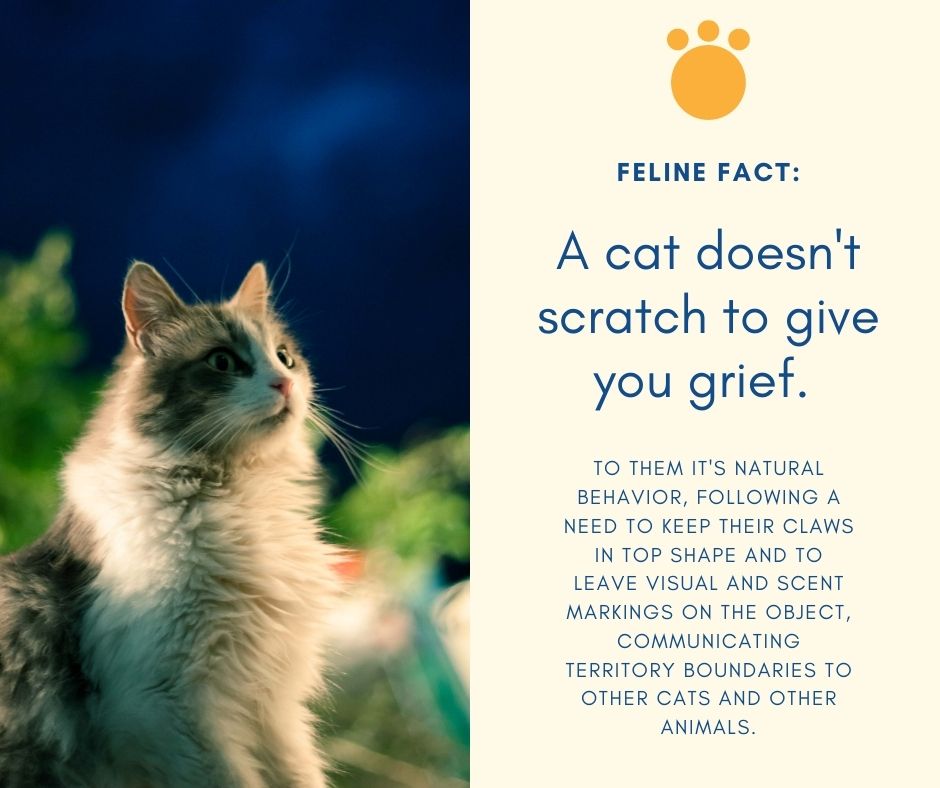
Cats clawing on furniture and other household furnishings may be purely destructive behavior from your point of view but not from the cat’s point of view. To them it’s natural behavior, following a need to keep their claws in top shape and to leave visual and scent markings on the object, communicating territory boundaries to other cats and other animals.

A cat doesn’t scratch to give you grief. A cat scratches because it’s a form of exercise for the cat’s muscles from the claws right through to the legs, shoulders, and down the back.

Scratching also sharpens the cat’s claws and cleans the exterior sheath.


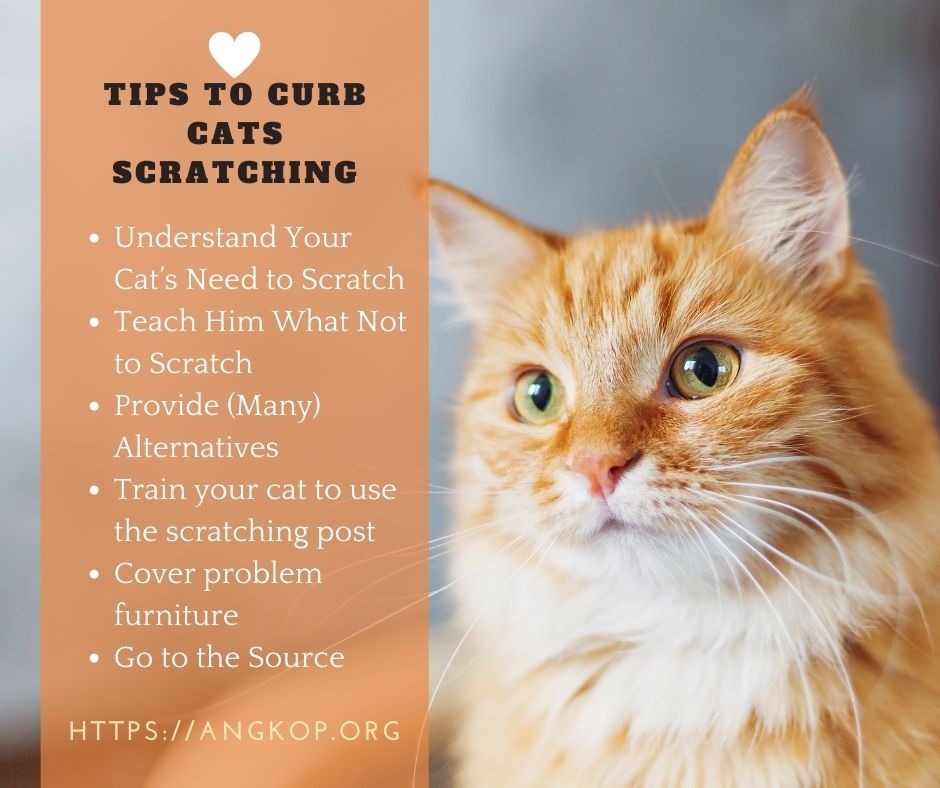
TIPS TO CURB CATS SCRATCHING

Understand Your Cat’s Need to Scratch

Whether we like it or not, scratching is an innate feline behavior that cannot be prevented—in fact, even declawed cats still “scratch!”

While it may be tempting to scold your cat the next time he sinks his nails into your couch, remember, he’s not acting out of spite. Scratching provides exercise, anxiety relief, and a good stretch—not to mention it keeps kitty’s claws in top shape. Instinctively, cats also scratch to mark their territory


Teach Him What Not to Scratch

Behavior modification consists of teaching your cat to avoid certain scratching sites while helping him to enjoy scratching on appropriate surfaces. It is always best to develop good habits early, but don’t let that discourage you—retraining is possible, even in senior cats!

Show your cat which areas are off-limits by making them less inviting. Consider temporarily covering furniture with double-sided sticky tape or aluminum foil, or spritzing your cat’s favorite scratching spots with an unpleasant scent, like citrus, or a deterrent spray.


Provide (Many) Alternatives

Remember that all cat scratching preferences are different, so the first step will be figuring out what your cat likes. Ultimately, you will want to provide alternatives that most closely resemble the unwanted objects your cat loves to scratch.

Watch his behavior closely—does he like to scratch the seat of your armchair or does he prefer the wooden legs of your dining room table? This can provide valuable clues about his preferences, which you can use to successfully redirect his habits.

If you’re not sure, start by offering multiple scratching materials and experimenting with different sizes, angles, and locations.

Encourage your cat to scratch on appropriate surfaces by making them irresistible. If your cat seems uninterested in the scratching options you’ve provided, try placing catnip, toys, or treats near or on the scratching surface. If he scratches or paws at the surface, quickly reward him with a treat.

Train your cat to use the scratching post


Purchase at least one scratching post (or other scratching apparatus) for your cat. A scratching post is the answer to your scratching problem, but it will take time to encourage your cat to use it.


Locate scratching posts strategically. Figure out which pieces of furniture the cat has clawed and their locations. Make sure the scratching apparatus is prominently featured in the room and next to any furniture the cat seems to prefer scratching.


Condition your kitten or cat to use the scratching post and nothing else for scratching. Encourage your cat to unleash his claws on the new scratching post by gently placing him in front of it. At the same time, gently stroke him and wait for him to respond to the post in front of him.


Cover problem furniture

If you have antiques or furniture that is of great value, consider leaving it in a cat-free zone. Ensure that everyone in the family is aware that the cats must not be let into that area or room and always keep doors to these areas closed. Ask the humans in the house to take care rather than expecting the cat to know the difference between important.


Go to the Source

Another way to deter your cat’s destructive scratching is to trim his nails. Start slowly by introducing your cat to having his paws handled. At a time when your cat is calm and relaxed, gently touch his feet and press on each paw pad to extend the nail. Practice this process frequently, only doing as much as your cat will tolerate. It may take a week or two before your cat becomes comfortable enough to allow nail trimming.

When you are both ready, place your cat on your lap facing away from you or enlist a friend to hold your cat while you trim. Gently extend each nail, trim the tips, and repeat every two weeks. It is important to only trim the white tips—the pink portion of each nail contains the quick, which is made up of nerves and blood vessels that cause bleeding and discomfort when cut.

If you think it’s a behavior problem that requires further assistance, visit your veterinarian as early recognition, diagnosis, and treatment are essential.

You may also visit – https://www.facebook.com/angkopparasahayop


Read More
29 Sep
0

How Do Cats Get Worms?

How Do Cats Get Worms?

Discovering that your cat has worms can be an unpleasant experience for any pet owner. Not only can finding the worms be frightful (and gross), but their presence can also raise some serious concerns about the health of your cat.

Read on for information about diseases and other medical inflictions that frequently impact cats.

Cats most commonly contract worms after coming into contact with parasite eggs or infected feces.


A cat may walk through an area with eggs or infected feces, and since cats are often such fastidious groomers, they will then ingest the eggs or fecal particles as they clean their fur and feet.

This can occur in indoor cats as easily as it can in outdoor cats, particularly if multiple cats share a litter box that is contaminated with infected feces.

Cats that live outdoors and regularly hunt small rodents are also at a higher risk of contracting worms because the worms can live in the muscle tissues of their prey.

After eating a rodent that’s infected with worm larvae, a cat can develop a worm infestation as those larvae develop to maturity in the cat’s intestines.


Can Cats Get Worms from Dogs?

Yes, cats can pick up infected eggs from dog poop, as not all roundworms and hookworms are species-specific. Ancylostoma braziliense hookworm can affect both dogs and cats, as well as Toxascaris leonina roundworm.


Cats can also get tapeworms via the flea on dogs if they are living in an infested home or yard. If a flea from a dog jump onto a cat (or vice versa) and gets ingested, there is the potential for a tapeworm infestation to develop.


Types of Worms in Cats

Outdoor cats and those who are routinely exposed to soil where other animals defecate are prone to worms. Kittens and cats who do not receive regular preventative health care are most at risk for developing complications associated with internal parasites.


Roundworms

Are the most common internal parasites in cats. Resembling spaghetti, adult worms are three to four inches long. There are several ways cats can become infected. Nursing kittens can get roundworms from an infected mother’s milk, while adult cats can acquire them by ingesting eggs from the feces of an infected cat.


Hookworms

Are much smaller than roundworms—less than an inch long—and reside primarily in the small intestine. Because they feed on an animal’s blood, hookworms can cause life-threatening anemia, especially in kittens. Hookworm eggs are passed in the stool and hatch into larvae, and a cat can become infected either through ingestion or skin contact.


Tapeworms

Are long, flat, segmented parasites that range from 4 to 28 inches in length. An infestation can cause vomiting or weight loss. Cats acquire tapeworms by ingesting an intermediate host, like an infected flea or rodent. When cats are infected, tapeworm segments—actual pieces of the worm that resemble grains of rice—can often be seen on the fur around a cat’s hind end.


Lungworms

Reside in the lungs of a cat. Most cats will not show any signs of having lungworms, but some can develop a cough. Snails and slugs are popular intermediate hosts of this type of parasite, but cats are usually infected after eating a bird or rodent who has ingested an intermediate host.

Though means of transmission can vary, one of the main ways that cats get worms is through the ingestion of the feces of infected felines. Mother cats can also pass on worms to their kittens.


Symptoms of Worms in Cats

Worm infestations in cats may be completely asymptomatic (showing no symptoms) or severe and life-threatening, depending on the type of worm and severity of the infestation.


Common signs of worms in cats include:

  • Vomiting (sometimes with worms in the vomit)
  • Diarrhea (with or without blood)
  • Tarry feces
  • Weight loss
  • Distended abdomen
  • Skin lesions
  • Generally poor body condition and a dull coat
  • As infestations worsen and symptoms progress, you may see signs such as:
  • Weakness
  • Dehydration
  • Pale lips and gums due to anemia
  • Low blood pressure
  • Shock
  • Death, in the most severe cases


 Symptoms for Specific Types of Worms in Cats

Use this guide to help determine the specific type of worm based on your cat’s symptoms.


Roundworms can cause of number of serious issues, such as:


  • Coughing/pneumonia (if larvae penetrate the lungs and mature in the respiratory tract)
  • Vomiting (which may contain adult worms)
  • Diarrhea
  • Distended abdomen (enlarged)
  • Weight loss/unhealthy appearance
  • Intestinal obstruction (in severe cases)


Hookworms can cause health problems that include:


  • Skin lesions (if larvae penetrate the skin and migrate through the tissues)
  • Coughing (if larvae penetrate the lungs)
  • Diarrhea (with blood)
  • Dark, tarry stool
  • Weight loss
  • Poor appetite
  • Pale lips and gums (secondary to anemia)


Whipworms can be asymptomatic, but in more severe infections, can cause:


  • Large bowel diarrhea (with blood)
  • Weight loss
  • Dehydration
  • Anemia


With tapeworms, your cat may not have any symptoms, but you may see worm segments that look like white grains of rice in these areas:


  • On and around the anus
  • Attached to the fur around the anal area and under the tail
  • In/on the feces in the litter box
  • Lungworm infestations can cause:
  • Coughing
  • Difficulty breathing
  • Pneumonia as the infestation worsens and symptoms progress


Heartworm disease in cats can cause:

  • Coughing
  • Difficulty breathing
  • Lack of appetite
  • Lethargy
  • Vomiting
  • Sudden collapse
  • Seizures
  • Sudden death
  • Bladder worm infestations may not cause symptoms in some cats, but severe cases may cause:
  • Visible blood in the urine
  • Straining
  • Pain with urination
  • Severe infestations of liver flukes may cause:
  • Swelling of the liver
  • Abdominal distention (swollen belly)

If you think your cat may have worms, it’s important to bring her to a veterinarian, who can confirm the presence of worms. Avoid self-diagnosis, since worms are not always visible or identifiable.

Visit your veterinarian as early recognition, diagnosis, and treatment are essential.

You may also visit – https://www.facebook.com/angkopparasahayop

Read More
29 Sep
0

Prevention and Treatment for Worms in Cats

Prevention and Treatment for Worms in Cats


As a pet parent, you must be worried about you paw friend and you must be asking if worms painful for cats?

Worms in cats can potentially cause pain. The migration of larvae through the liver, stomach, eye, or lungs would cause discomfort as the affected tissues become inflamed from the disruption.

This could present as:


  • Belly pain, including gastritis due to inflammation of the stomach lining (potential nausea, vomiting, loss of appetite, food aversion)
  • Eye irritation (excessive rubbing of the eye, squinting, or discharge)
  • A change in your cat’s breathing rate/pattern


The accumulation of fluid from protein loss can cause a distended abdomen in some animals, which can be uncomfortable due to the swelling of the abdominal muscles and skin.

It can also cause breathing issues if too much abdominal fluid is pressing on the diaphragm and restricting the normal lung capacity for proper breathing.


Can Humans Get Worms from Cats?

Yes, humans can contract worm infections from cats by coming into direct contact with contaminated feces or soil.

Common modes of transmission include:

  • Children playing in sandboxes where cats have defecated
  • Walking barefoot through contaminated soil
  • Gardening in soil without wearing gloves

Accidental ingestion of contaminated soil or feces can happen in humans as well, so good hygiene practices are vital for preventing transmission from cat to owner.


How to Get Rid of Worms in Cats

There are several “home” remedies that claim to be effective in treating and preventing worms in cats, including garlic, apple cider vinegar, pumpkin seeds, carrots, and turmeric.

However, attempting to treat your cat with over-the-counter remedies or natural remedies for worms in cats is never recommended.

While it may seem like a faster and cheaper alternative to visiting your veterinarian, there is NO guarantee that those products are safe or effective in treating any type of medical condition, and they could actually be harmful to your cat.


Here are some effective and vet-approved treatments for worms in cats.

Dewormers

Your veterinarian may prescribe an oral or injectable dewormer that will kill the adult and larval worms in the intestine at the time of diagnosis.

Broad-spectrum prescription medications such as Panacur (fenbendazole) and Drontal Plus (pyrantel, praziquantel, fenbendazole) can be used to treat hookworm, roundworm, whipworm, and tapeworm infections, but they must be carefully administered to your cat according to your veterinarian’s instructions.

Your cat may require multiple doses to kill any larvae that may have hatched after the first dose was given.

Praziquantel is also available as a one-time injectable treatment for tapeworm infections, which works by paralyzing and dislodging the sucker of the worm from the intestinal wall, allowing the worms to be passed in the feces.

Your veterinarian may also recommend starting your cat on a monthly topical or oral flea prevention, since tapeworm infections can recur if there are fleas in your home environment.


What Happens if Worms Go Untreated in Cats?


Worm infestations that are left untreated can be dangerous, even fatal, for your cat.

Migration of larvae through the organs and tissues of the body as they make their way to the intestine could result in severe skin infections, blindness, convulsions, or pneumonia, depending on the path of larval migration.


Ongoing losses of blood and vital nutrients, which should be absorbed by the intestines, can result in progressive anemia, weight loss, dehydration, and death.


How to Prevent Worms in Cats

Worm infestations in cats and transmission to children and adults can be prevented through good hygiene practices and the year-round use of heartworm, intestinal worm, and parasite prevention.

For indoor cats, cleaning the litter box on a daily basis, as well as changing out the litter and scrubbing the litter box on a regular basis is vital for minimizing exposure to contaminated feces.

For outdoor cats, regularly scooping feces from the yard, sandbox, and flower beds will minimize the potential for propagation of the parasite life cycle.


There are several “home” remedies that claim to be effective in treating and preventing worms in cats, including garlic, apple cider vinegar, pumpkin seeds, carrots, and turmeric.

However, attempting to treat your cat with over-the-counter remedies or natural remedies for worms in cats is never recommended.

While it may seem like a faster and cheaper alternative to visiting your veterinarian, there is NO guarantee that those products are safe or effective in treating any type of medical condition, and they could actually be harmful to your cat.

Visit your veterinarian as early recognition, diagnosis, and treatment are essential.

You may also visit – https://www.facebook.com/angkopparasahayop


Read More
26 Sep
0

Ensuring Your Pets Are Safe at Home Amidst Typhoons

Ensuring Your Pets Are Safe at Home Amidst Typhoons


No animals should be left behind.

Don’t ever leave your furry friends behind when you are being evacuated. There’s no telling what might occur to your house while you’re gone, and you might not be capable of returning for several days or possibly weeks. Animal friends left behind may starve or get parched, or they may be crushed by crumbling walls. They might drown or flee in a frenzy and thus become lost. If you ever leave your home and don’t have the capacity to take care of your pets, contact your local emergency management office, veterinary clinic, pet-friendly hotel, an animal hospital, or any place that is willing to accept pets at that time.


Thorough emergency preparedness is important during severe storm weather, particularly in areas where pet owners may be forced to leave their homes.

1) Shelter

During severe storms it may be best to take shelter in a basement or small interior room like a bathroom. Make sure pets are acquainted with—and comfortable in—that area of your house and will go there with you easily if need be.


2) Poisons

Make sure the shelter inside your home is free of dangers for pets. Many people keep pest poisons in the same basement where they may be sheltering during the storm. Unfortunately, pets are very good at finding baits and many are all too eager to eat it.


3) Anxiety

Many pets have storm anxiety and may be prescribed medications to help them cope. Remind clients that it’s always best to give pets a dose of the medication prior to a storm to see how he or she will react—and pets should always get trial runs of medication during periods when the veterinarian is available in case questions arise.


4) Evacuation

Among the items your clients should have handy are leashes and/or or carriers, food, medication and water. Pet owners should know where favorite hiding places are for pets so they can be easily found during emergencies.


5) First Aid

Help your clients keep pets safe by sharing this easy DIY pet first-aid kit.


6) Don’t keep them locked.

This is one of the most common mistakes some fur parents do. They think that their pets will be safer if they keep them leashed or caged, but no. It’s such a dangerous thing to do. Don’t ever tie up pets or restrict them in any manner, since they will become stuck and therefore incapable to escape rising floodwaters.


7) Make sure they’ll be easier to identify.

Be certain that all of your pets are wearing collars or harnesses with id. Similar to what you would for a kid, maintain a recent picture of your furry friend for purposes of identification.  Your top priority is to obtain your pet dogs and cats an ID, whether it’s the inexpensive kind used to distinguish hospital patients, the luxury mall-engraved collars, or getting them microchipped at a vet’s clinic.


8) Keep them safe and sound.

Ensure that all of your loved ones are safe and sound if you are sheltered in place during a typhoon or similar disaster. Dogs as well as other household pets are no more adapted than humans to withstand frigid temperatures or adverse weather circumstances. They struggle tremendously from hypothermia and therefore can die from exposure. Bring them inside before a storm arrives; failing to do so may be unlawful, since anybody who leaves pets outside in extreme storms may be punished. Animal friends that are chained or caged outdoors or without proper protection from the weather should be noted too. Always keep your pets safe and warm.

Read More
21 Sep
0

Do Cats Ever Need Baths?

Do Cats Ever Need Baths?

So, if you find yourself asking, “Should I bathe my cat?” the answer is: it depends.

Generally, cats do not need baths. After all, grooming themselves is something cats do often and well.  With their barbed tongues, they are usually capable of keeping their own coats clean without any help from their humans. That said, even indoors, your cat can encounter dirt or debris, whether from their litter box, food or drink spills and other messes.


How Often Should You Bathe a Cat?

There’s no set frequency for giving a cat a bath. Cats with long hair, like Persians, may need more frequent grooming to help keep their coats shiny, clean and free of tangles and mats.

Short-haired cats may only need weekly brushing and the occasional bath when they get dirty.

You can also consult your veterinarian or a professional cat groomer on how often to bathe your cat. They can tell you based on your cat’s breed, skin and coat health and other issues whether their own grooming is sufficient or if/when a bath is needed, and which cat shampoo is right for your cat.

When done properly, a bath can be beneficial for your cat’s skin and coat. Keep in mind, however, that most cats do not enjoy baths. Domesticated cats descended from African wildcats (Felis silvestris lybica), which often live in dry, desert-like regions; therefore, some cats may instinctually try to avoid being in water.

This may mean the introduction of a bathing routine is a bit undesirable for your cat. Start slowly with small introductions to water on their paws or dripped on their coat. Depending on your cat’s size, you may want to consider bathing her in the sink rather than the tub. Over time, build up to getting your cat more and more wet. Try to keep the bath quick to minimize stress and frustration for you both.

Of course, if bath time is causing a rift in your relationship with your cat, reach out to a professional cat groomer to help keep their coat shiny, soft and clean.


How to Bathe Your Kitten or Adult Cat

A bath stimulates the skin and removes excess oil, dander, and shed hair. It also offers an opportunity to teach your cat that being handled even in unexpected ways won’t hurt them. Cats will need to be touched by the vet, handled by vet techs, or cared for by house sitters and guests. Making the bath a pleasant experience helps cats “generalize” the event to future similar situations.

Positive experiences with prior baths are especially beneficial if you ever find yourself having to give your cat medicated baths as part of a treatment plan for skin diseases like ringworm or if your cat gets into something particularly nasty.

They may be stressed by bathing so follow your veterinarian’s recommendation:


What You Need

  • For routine cleaning, you only need a few supplies, including:
  • A simple grooming shampoo labeled specifically for cats
  • Several towels
  • A rubber mat
  • A washcloth
  • Ping pong ball or other floating distraction

Human shampoo (including those designed for babies) or dog products can be too harsh and dry the cat’s skin, and in some case may be toxic.


Prepare to Bathe Your Cat

Before getting your cat wet, brush its fur thoroughly. As for you, wear old clothes and expect to get wet.

The bath area should be warm and draft-free. The bathtub will do, but you may be more comfortable if you can bathe your cat in a waist-high sink. Move all breakables out of reach and push drapes or shower curtains out of the way. Avoid anything (strong scents, scary objects, mirrors) that potentially frighten cats, so the bath is as pleasant as possible.

Assemble your shampoo, several towels, and a washcloth near the sink or tub, and run warm water before you bring in the cat. The cat bath temperature should be around body temperature, in other words pretty warm but not so hot that it’s uncomfortable.

Place a towel or rubber mat in the bottom of the tub or sink. Cats hate the insecure footing of slippery surfaces and this will make it less stressful. Or, try standing the cat on a plastic milk crate so your cat can grip it with its paws. This also allows you to more easily wash the cat from both above and below.

Close the door to the bathing area, or you risk having a soapy cat escape.

When done properly, a bath can be beneficial for your cat’s skin and coat. Keep in mind, however, that most cats do not enjoy baths. Domesticated cats descended from African wildcats (Felis silvestris lybica), which often live in dry, desert-like regions; therefore, some cats may instinctually try to avoid being in water.

This may mean the introduction of a bathing routine is a bit undesirable for your cat. Start slowly with small introductions to water on their paws or dripped on their coat. Depending on your cat’s size, you may want to consider bathing her in the sink rather than the tub. Over time, build up to getting your cat more and more wet. Try to keep the bath quick to minimize stress and frustration for you both.

Of course, if bath time is causing a rift in your relationship with your cat, reach out to a professional cat groomer to help keep their coat shiny, soft and clean.


You may also visit – https://www.facebook.com/angkopparasahayop
Read More