Blog

03 Sep
0

Veterinarian walking around the streets of California and treating homeless peoples’ animals for free

A Mission to Keep Animals with Their Owners – a veterinarian walking around the streets of California and treating homeless peoples’ animals for free


A 49-year-old veterinarian is doing his bit by walking around in the streets of the US state of California and treating homeless peoples’ pets for free. Kwane Stewart has been taking on his new role with great spirit and dedication.

He is an animal lover who spends his free time driving around California and spotting homeless people with animals. But his goal isn’t to take away their pets — it’s to treat them, for no cost at all.

On weekends, he spends hours walking around areas such as Skid Row in Los Angeles and downtown San Diego in search of homeless pet owners who could use a helping hand.

For animals who need vaccinations, medicine, or food, Stewart pays for the costs out of pocket. However, he often runs into animals with severe issues such as tooth decay or illnesses that need treatment at a veterinary hospital. For these cases, Stewart uses his GoFundMe to cover surgeries and invasive procedures which can cost pet owners thousands of dollars.

Kwane Stewart, has been taking on his new role with great spirit and dedication. An animal lover, Stewart grew up in New Mexico where he spent his childhood trying to rescue stray animals. This dream eventually led him to practice veterinary in California.

Stewart, however, believes he needs to do a lot more for animals who have suddenly been tossed to the sidelines because of the financial crises caused by the coronavirus pandemic. Now he is becoming a savior for the homeless peoples’ animals.

So far, he has treated about 400 animals in the nine years he has worked as a street vet. Stewart documents many of his stories through his TV series, “Dr. Kwane: The Street Vet,” which airs internationally in over 30 countries.

CTTO:

https://www.indiatimes.com/trending/social-relevance/49-year-old-veterinarian-california-treat-homeless-people-animals-for-free-530654.html#:~:text=A%2049%2Dyear%2Dold%20veterinarian,homeless%20peoples’%20pets%20for%20free.&text=Kwane%20Stewart%2C%20has%20been%20taking,with%20great%20spirit%20and%20dedication.

https://edition.cnn.com/2020/02/25/us/veterinarian-homeless-animals-california-trnd/index.html

Read More
03 Sep
0

Old Tires as Cozy Beds for Stray Cats and Dogs

Old Tires as Cozy Beds for Stray Cats and Dogs

Meet Amarildo Silva of Campina Grande, 23 years old from Brazil who decided to help the numerous abandoned dogs and cats he sees wandering in the streets.

He began collecting discarded old tires and then making them into colorful, cute beds for animals desperately in need of those beds.

So far, he has made over 6,000 beds for strays, shelter animals, and pets all over the world.

He noticed used tires stacked in the parking lots of the supermarket where he worked. He had always been very handy, so he decided to put the old tires to good use.

He collects the old tires, takes them home, and carefully cuts, washes, paints, and decorates them until they are cozy enough for the animals. He even writes the name of the animal to whom the bed will belong on the tire. Lastly, he adds carrying straps and a comfy mattress that he sews himself.

Although most beds are for stray dogs and cats it has also turned into a self-sustaining business, Cãominhas Pets.

Amarildo quit his job to be a full-time artist and tire bed maker and he now offers a colorful line of furniture as well.

His arts and creativity are shared with stray animals and with his community.

You may also visit – https://www.facebook.com/angkopparasahayop


Read More
01 Sep
0

Why Do Dogs Like Belly Rubs So Much?

Why Do Dogs Like Belly Rubs So Much?

Dogs love belly rubs simply because they feel good. It also sets off a specific reaction in their brain that responds to the stimulation of hair follicles. Experts believe that dogs love petting, and belly rubs in particular; because the stroking of hair is linked to social grooming.


Submissive Behavior vs. Wanting a Belly Rub

Dogs expose their bellies to us for two main reasons: as a submissive display, and as a request for a belly rub. It’s important to know what your dog is telling you before you go in for petting!

Dogs adopting a submissive display (also called an appeasement display) are trying to diffuse social tension by showing that they’re not a threat. Petting a dog who’s showing submissive or appeasing behaviors can make the dog more nervous; because now you’re touching him in very vulnerable parts of his body!

Dogs who actually want a belly rub will generally show the following body language signals:

  • Overall: loose, wiggly body postures
  • Mouth: relaxed, open mouth—you might see their tongue flopping around
  • Eyes: Open or squinty, bright and not necessarily staring at anything
  • Tail: relaxed, wagging tail
  • Vocalizations: quiet ha-ha sound as they “laugh,” or a light panting sound, or silent


In contrast, a dog who is showing submissive or appeasing behavior will look like this:

Overall: tense, low body postures—they may crouch, freeze, or tense up

  • Mouth: lips pulled far back in a “fear grimace” or lips and mouth closed, may see lots of lip-licking and tongue-flicking
  • Eyes: wide open and staring into the distance, or showing the whites of their eyes as they look at you, without turning their head, or eyes will be squinty and tense
  • Tail: maybe still or wagging, but will have tension in the base of the tail and the tail may be tucked
  • Vocalizations: quiet or soft whining

Most people find it easiest to watch the dog’s tail and mouth—but keep in mind that a wagging tail doesn’t equal a happy dog. A tucked, stiff, fast tail wag is not the same as a full-body, loose tail wag!


  • For a dog to feel comfortable offering you their belly, you’re likely someone they trust and are comfortable being around.


  • Dogs who have itchy skin tend to love the belly rub the most. It’s a place they might not always be able to scratch so when someone they trust really goes to town on a good belly rub, they’re usually quite happy about it.


  • A good belly rubbing session can release endorphins and oxytocin in dog and owner alike, strengthening the special bond between them.


What’s more, for your dog, the interaction ties in with ‘social grooming’ practices they once experienced in groups of dogs when they lived in the wild, and their instincts for it are strong.

What matters is that you’re spending quality time with your best friend by engaging in an activity that you both enjoy.

You may also visit – https://www.facebook.com/angkopparasahayop

Read More
31 Aug
0

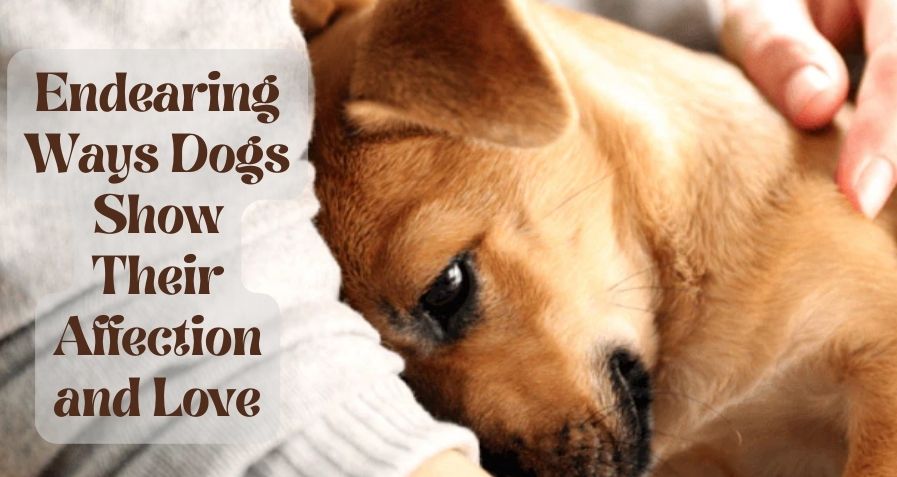
Endearing Ways Dogs Show Their Affection and Love  

Endearing Ways Dogs Show Their Affection and Love


Have you ever wondered how dogs show they love you?

While some displays of affection seem pretty obvious, even seasoned dog lovers sometimes misread canine cues.

Though they can’t put their love into words, dogs have an unexpectedly large number of ways to show they care. From subtle body language to over-the-top displays of affection, your pooch is probably showering you with love in many surprising ways.


Here are some ways dog show affection to humans:


They will wag their tail when they are around you

A dog’s tail communicates different emotions, including happiness, fear, tension or aggression. Generally, the looser a dog’s tail is, the more relaxed he or she is. When your dog is happy, he or she will wag its tail so hard it seems like its whole back end is wagging. This is a sure sign your dog loves and trusts you.


Holding Eye Contact

The same goes for dogs. Maintaining eye contact isn’t just a useful tool while you’re training your dog–it can help you create a deep bond, too.


Leaning Against You

Whether you’re sitting on the floor or couch, if your dog leans against you, it means it feels safe, secure, and totally comfortable. Sometimes dogs will lean against their humans when they’re feeling scared or anxious, but that only means it sees you as their protector.


Sleeping in Your Bedroom

If you don’t allow your dog to sleep in your bed, but it still likes to sleep in your bedroom, it really loves you. Why? Wanting to be close to you while you’re sleeping signals that it’s totally loyal and doesn’t want to be separated from the pack.


They follow you around

Dogs, especially young puppies, need to feel safe and secure. When your dog follows you around, you know he or she feels safe with you. You represent security, which makes your dog feel calm and at peace.


They will lick your face

Dogs lick people’s faces for several different reasons, but much of the time it’s simply because they love you.


It Brings You Its Favorite Toy

If your dog brings you its favorite toy, it doesn’t just mean it wants to play—although wanting to play is a major sign of puppy love, too. As your pup’s pack leader, it’s presenting its most prized, most beloved possession to you.


It’s Happy When You Get Home

Does your dog jump up and down, lick your hands and face, bring you its favorite toy, or even “excited pee” a little bit when you get home from work, school, or errands? Yep, it’s absolutely thrilled to see you!


You may also visit – https://www.facebook.com/angkopparasahayop

Read More
30 Aug
0

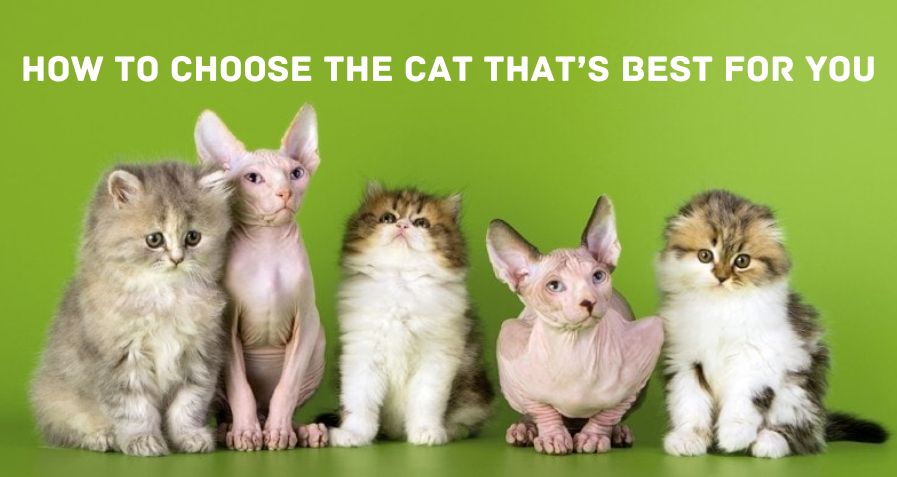
How to choose the cat that’s best for you

How to choose the cat that’s best for you

Choosing a cat is something you’ll always remember. It’s a fun decision, but also an important one. Your new feline friend will be a part of your life for many years to come


Do your research first, and then choose your cat from a reputable breeder, shelter, or rescue group, or if it is a stray, you might want to consider these things:


Kitten or an adult?

Kittens are able to adapt quickly to their surroundings but will need house training and much more attention than an adult cat. An older cat might be a wise choice if you have a strict work schedule and don’t have time to fully care for a kitten. On the other hand, an older cat may have health problems, which will require more visits to the vet.


Shedding concerns.

Some cats shed more than others. For example, an American Bobtail or Cymric cat will shed much more than a Siamese cat.


Health concerns

A healthy kitten or cat will have bright eyes and a shiny fur coat. Cat’s that appear thin or overweight or have a nasal discharge may have health problems.


Personality and disposition

Just like people, cats can vary in their personality and character traits. Look for one that seems to be a good fit for you and your lifestyle. If you’re hoping for lots of petting and stroking, for example, you may want to look for a cat that actively seeks attention from its handlers, rather than one that hisses or scratches.


If you think you’ve found the right cat, try to make more than one visit with the animal if that’s possible.


You may also visit – https://www.facebook.com/angkopparasahayop

Read More
26 Aug
0

Orphaned Baby Kangaroo Simply Wants To Hug His Beloved Teddy Bear

Orphaned Baby Kangaroo Simply Wants To Hug His Beloved Teddy Bear


The heart-warming image, that was tweeted by Tim Beshara, went viral around the world.

Meet Doodlebug, an orphaned baby kangaroo who lives in the Northern Rivers region of New South Wales, Australia. He ​is taken care of by the wildlife rehabilitator Gillian Abbott. She and her son Tim Beshara, an adviser to Greens senator for Tasmania Peter Whish-Wilson, have taken care of Doodlebug since he was a baby found orphaned in the wild.

The orphaned kangaroo was nursed back to health by Gillian Abbott, who gave it a teddy bear to play with.

Either way, it looks like the now 15-month-old kangaroo is finally finding a way to cope.

Doodlebug finds companionship in his favorite stuffed animal, a teddy bear. The kangaroo will lay in the grass next to the teddy, will cuddle the teddy, and even practice his kicking against the teddy.

Doodlebug is currently undergoing a “soft release,” which means he can hop off into the forest whenever he wants, but he will occasionally still return for feeding.

You may also visit – https://www.facebook.com/angkopparasahayop


Read More
25 Aug
0

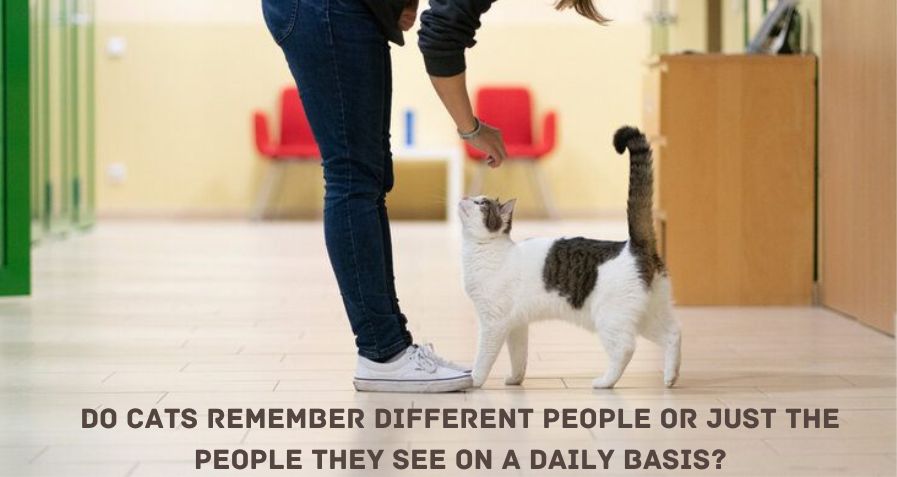
Do cats remember different people or just the people they see on a daily basis?

Do cats remember different people or just the people they see on a daily basis?

Cats do seem to forget other cats once they have been separated for a long time, so the same probably applies to people as well.

Cats possess excellent long-term memories. They can recall their animal companions and the people who feed them as well as those who irritate them. Memory is what allows a cat to leap into the arms of a family member returning after a semester away at college. Conversely, it’s what lets a cat hold a grudge like there’s no tomorrow. Memory also means cats grieve for other companion animals who pass away, family members who move out, and other losses in life.

Although studies show that a cat’s long-term memory may last as much as 200 times as long as a dog’s, cats are highly selective about what they remember. Basically, cats recall only what benefits them.

Typically, dogs do a better job of remembering their people than cats do, even recalling family members who’ve been away for years in military service. Scientists know for sure that cats can recognize and differentiate between human faces, though, so dogs’ superior ability to remember people probably has more to do with their long association with humans than with their brainpower.

A new study has found that cats learn and remember the names of their humans. A new first-of-its-kind study carried out at Kyoto University in Japan assessed a number of cats to figure out whether they know the names of their own family (both furry and human).

First, researchers showed 48 cats (who were an either pet or lived in cat cafes) photos of other cats they were familiar with. At the same time as showing the image, they would either say the photographed cat’s real name or a false name. Next, they showed a new group of 26 cat images of the humans they live with.

In both sections of the experiment, the cats indicated that they knew the names of the other cats and the humans.

Cats can also remember other cats though experts aren’t sure for how long. Early in life, littermates exchange scents to recognize each other should they get separated. Cats use this same trick throughout their lifetimes. Probably, a cat’s memory of another cat depends on the length and impact of the two animals’ relationship.

However, a cat’s memory declines with age. If your cat appears to be losing her memory, do some research on feline cognitive dysfunction and talk to a vet who specializes in cats. You can extend your cat’s life and make her golden years happier with a few modifications.


You may also visit – https://www.facebook.com/angkopparasahayop

Read More
22 Aug
0

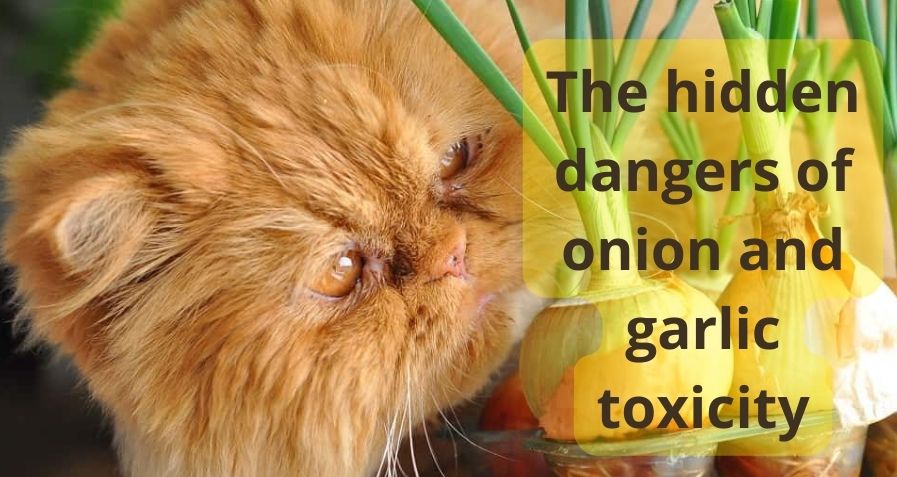
The hidden dangers of onion and garlic toxicity

The hidden dangers of onion and garlic toxicity


Did you know that onions and garlic in any form (raw, cooked, dehydrated, or powdered in a seasoning) can create a life-threatening form of anemia in both dogs and cats?

Onions and garlic contain a substance called thiosulphate which dogs and cats cannot properly digest. A build-up of thiosulphate causes a protein called hemoglobin, which is carried by red blood cells, to form clumps which in turn cause the red blood cells to rupture.


What happens to onion and garlic toxicity?

Onions and garlic contain a substance called thiosulphate which dogs and cats cannot properly digest.  A build-up of thiosulphate causes a protein called hemoglobin, which is carried by red blood cells, to form clumps which in turn cause the red blood cells to rupture.  When enough red blood cells are destroyed, anemia occurs and the body is starved of oxygen. The degree of anemia usually depends on the number of onion or garlic eaten and some dogs and cats can develop severe reactions even after eating very little. Small amounts of onion/garlic fed over a longer period of time can create illness just as a one-time dose can.  Symptoms of toxicity sometimes take several days to become apparent and can include weakness/lethargy, vomiting, diarrhea, difficulty breathing, collapse, pale or bluish gums and/or an increased heart rate.


How much onion or garlic is toxic?

The number of onion/garlic (in grams) that can cause toxicity is equal to 0.5% of the animal’s body weight.  For example, a 10kg fox terrier needs to ingest 50 grams and symptoms may become apparent.  This works out to be only a quarter of an average-sized onion.

Treatment of onion and garlic toxicity

If ingestion was recent, making the animal vomit and giving intravenous fluids is the traditional treatment. If anemia is severe, a lengthy hospital stay and a blood transfusion may be necessary.


Preventing onion toxicity

Onions and garlic are common in many human foods, including some baby foods, sandwich meats, canned spaghetti, burger patties, gravies and fast foods. Carefully check the ingredients of any table food before treating your dog or cat to a snack.  Avoid adding onions in any form to homemade pet food recipes and always make sure rubbish is kept covered and away from your pets.


You may also visit – https://www.facebook.com/angkopparasahayop

Read More
22 Aug
0

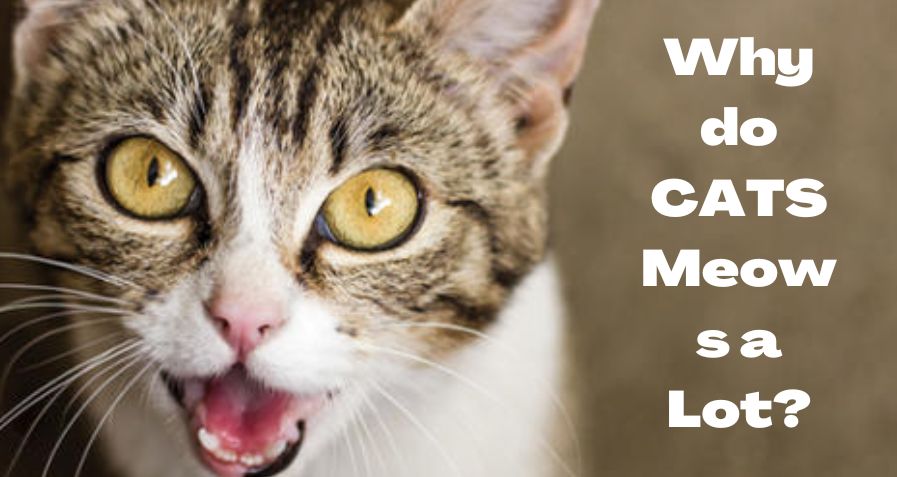
Why do CATS Meows a Lot?

Why do CATS Meows a Lot?

Most cat owners enjoy the sound of their cat purring away. If your cat isn’t really a talker, it may be normal cat behavior but look for signs that it’s something more serious.

If you have a cat meowing a lot, especially at night, it’s only natural that you’ll be wondering why they do it. Here are five (5) common reasons your feline friend might be doing this:

  1. Cats Are Naturally More Active at Night

Your cat’s meowing at night may have a lot to do with the fact that they are naturally more active at certain hours of the night. Although it’s popularly thought that cats are nocturnal, this isn’t always true.

Cats are crepuscular, meaning they are naturally most active at dusk and dawn. Although many cats do adapt to the routine of their owners, this crepuscular tendency means your cat may be especially active in the early hours of the morning, when the rest of the house is asleep.

Younger cats have an increased tendency to be active at night, as their instincts tell them this is a great time to hunt. As they mature, though, it is likely their rhythm will adapt to the rest of the household, which may hopefully mean less cat meowing at night.

  1. Your Cat May Be Bored or Understimulated

Cat howling or crying at night may be because they’re bored or because they haven’t tired themselves out during the day. Active play before bedtime may help to ensure they are more tired at night, as will trying to keep their minds active and happy during the day.

In short, cat meowing at night can essentially be attention-seeking behavior. Although it is important to attend to your cat’s needs, constantly complying with their ploys for attention will likely lead them to engage in it more frequently. If your cat is constantly seeking attention at inappropriate times, try not to give in too often.

Indoor cats need ample opportunities for play and exercise throughout the day, so toys, cat towers and other items are essential. Otherwise, you may find they have a lot of pent-up energy when you’re heading off to bed.

  1. Overactive Thyroid or Kidney Disease

If your cat is meowing at night or on a frequent basis, it’s a good idea to consult with a veterinarian to check up on their health. This is because excessive vocalization, including at night, can be a sign of overactive thyroid or kidney disease in cats.

  1. A Symptom of Aging in Senior Cats

Aging can affect all of us, and cats are no different. As they age, it is possible the effects of aging on the brain can leave your cat disoriented. Cognitive Dysfunction Syndrome (CDS) is directly related to the effect of aging on a cat’s brain and can have a variety of symptoms, including excessive meowing at night. It’s worth seeing your veterinarian to rule out any complications.

  1. Yowling Could Signal a Cat in Heat

Many of us have heard the loud sounds of a cat howling in the late hours of the night. This is oftentimes the sound a cat in heat will make when calling for a male.

You can curtail this natural process by neutering your cat, which also eliminates the stress of unexpected cat pregnancies.


You may also visit – https://www.facebook.com/angkopparasahayop

Read More
18 Aug
0

𝗜𝗡𝗧𝗘𝗥𝗡𝗔𝗧𝗜𝗢𝗡𝗔𝗟 𝗛𝗢𝗠𝗘𝗟𝗘𝗦𝗦 𝗔𝗡𝗜𝗠𝗔𝗟𝗦 𝗗𝗔𝗬

𝗜𝗡𝗧𝗘𝗥𝗡𝗔𝗧𝗜𝗢𝗡𝗔𝗟 𝗛𝗢𝗠𝗘𝗟𝗘𝗦𝗦 𝗔𝗡𝗜𝗠𝗔𝗟𝗦 𝗗𝗔𝗬

“𝑩𝒆𝒄𝒐𝒎𝒆 𝑷𝒂𝒓𝒕 𝑶𝒇 𝑻𝒉𝒆 𝑺𝒐𝒍𝒖𝒕𝒊𝒐𝒏”

𝑎𝑛𝑑 𝑡ℎ𝑒𝑟𝑒 𝑎𝑟𝑒 𝑝𝑙𝑒𝑛𝑡𝑦 𝑜𝑓 𝑤𝑎𝑦𝑠 𝑡𝑜 𝑑𝑜 𝑠𝑜!


August 21 is International Homeless Day.  It focuses on the pet overpopulation problem and how to help solve it.


In other words, the plan is to make noise until the international community takes steps to end cat and dog overpopulation and homelessness. That’s what “International Homeless Animals” Day is all about!


There are many ways to combat cat and dog homelessness in the world. We’ve listed 3 simple ways that we can all do it!

  • Commit to volunteering at your local animal shelter
  • Adopt a homeless cat or dog
  • Start raising money for your local animal shelter
  • Educate others on the importance of spaying/neutering
  • Encourage people to adopt a pet rather than buy one


All of these efforts help control the pet population and keep companion animals in homes with loving families where they belong.

Animal homelessness happens everywhere. However, there are strong concentrations in poor communities worldwide.

Furthermore, in many parts of the world, animals that we think of as pets run wild in the streets and towns. In some of these places, it’s understandable because the people who live there can barely feed and care for themselves and their loved ones, let alone take in animals.

This is why the international community needs to take an interest in animal homelessness. We should help these communities and companion animals who cannot help themselves.


𝗛𝗜𝗦𝗧𝗢𝗥𝗬 𝗢𝗙 𝗜𝗡𝗧𝗘𝗥𝗡𝗔𝗧𝗜𝗢𝗡𝗔𝗟 𝗛𝗢𝗠𝗘𝗟𝗘𝗦𝗦 𝗔𝗡𝗜𝗠𝗔𝗟𝗦 𝗗𝗔𝗬

The histories of animal rights and shelters have long been intertwined. It was in the 1870s that animal protectionists began to see the lives of children and animals as similarly vulnerable and in need of protection, and SPCAs and anti-cruelty laws began to be established. Though animals were defined as property, cruelty was still an offense.

The 20th century saw increased protection given to house pets such as dogs and cats, the while animals that were slaughtered or working animals still received little to no protection. Dogs and cats received even more attention from the social justice movements of the 1960s and 1970s when animal welfare groups like the ASPCA focused heavily on adoption, fostering, and prevention of animal suffering.

These same goals and guiding values remain prominent in animal shelters and animal rights groups today, as people continuously fight for better legal and physical protections for our furry friends. In 1986, the passage of the Georgia Animal Protection Act provided for the licensing of kennels, animal shelters, pet stores, and stables, and was the first legislation to demand a minimum standard of care for the animals housed in these facilities. This was a huge win for animal rights groups. Other provisions and act, respectively, that expanded animal rights was the Humane Euthanasia Act of 1990 and the Animal Rights Act of 2000.

Though there is no governmental organization in the United States to oversee animal shelter regulation nationally, there are approximately 5,000 independently-operated animal shelters in the nation. Most of these shelters changed their focus in the 1990s, shifting from being temporary animal repositories to proactively helping control the homeless pet population and promoting pet adoption. Shelters often respond to cat overpopulation with volunteers to conduct TNR programs, in which they trap, neuter, and return cats to where they were found. This greatly reduces both overpopulation and the burden on the shelters.

In 1992, the International Society for Animal Rights conceived International Homeless Animals Day (IHAD), which has only grown in popularity by year. ISAR offers events from dog walks to adopt-a-thons to animal blessings on IHAD, and many volunteers participate. Today, and every day, we can all be a voice for homeless animals, and help mitigate their suffering.


CTTO, References:

https://nationaltoday.com/international-homeless-animals-day/

https://nationaldaycalendar.com/international-homeless-animals-day-third-saturday-in-august/


Read More