Blog

09 Jun
0

How To Make Your Pet A Star on Your Social Media

How To Make Your Pet A Star on Your Social Media

Making your pet a star on social media can be a fun and exciting way to share their cuteness and antics with the world. Here are some steps on how to make your pet a star on social media:

Create Social Media Accounts: Choose the social media platforms where you want to showcase your pet’s star qualities. Popular platforms for pet accounts include Instagram, Facebook, Twitter, TikTok, and YouTube. Create dedicated accounts for your pet on these platforms with an engaging and catchy username that represents your pet’s personality.


Post High-Quality Photos and Videos: Share high-quality photos and videos of your pet that highlight their unique features, personality, and cute moments. Use good lighting, interesting angles, and clear visuals to capture your pet’s charm. Consider using photo editing tools to enhance the quality of your images and make them more eye-catching.


Tell a Story: Create a narrative around your pet’s adventures and daily life. Share anecdotes, stories, and experiences that make your pet relatable and endearing to your audience. Use captions, hashtags, and captions that reflect your pet’s personality and add a personal touch to your posts.


Engage with Your Audience: Respond to comments, messages, and direct inquiries from your followers. Create a sense of community around your pet’s account by interacting with your audience, asking for their opinions, and encouraging them to share their own pet stories. Collaborate with other pet accounts, participate in pet-related challenges, and join pet-related groups and communities to expand your reach and engagement.


Use Trending Pet Hashtags: Research and use popular pet-related hashtags that are relevant to your pet’s breed, activities, and personality. This will help your posts to be discovered by a wider audience and increase your pet’s visibility on social media.


Post Consistently: Regularly post new content to keep your pet’s account active and engaging. Develop a posting schedule that works for you and your pet, and stick to it. Consistency is key to building a dedicated following and increasing your pet’s social media presence.


Be Authentic: Authenticity is crucial in building a genuine and engaged following. Be true to your pet’s personality and avoid using fake or overly staged content. Share real moments, emotions, and experiences that are authentic to your pet’s life, and your audience will appreciate the genuine connection.


Consider Pet-Related Sponsorships and Collaborations: Once your pet’s social media account gains traction and a significant following, you may receive opportunities for pet-related sponsorships and collaborations. Be selective and choose partnerships that align with your pet’s values and personality. Always disclose sponsored content and collaborations to maintain transparency with your audience.


Take Care of Your Pet’s Well-being: Remember that your pet’s well-being should always be the top priority. Ensure that your pet is happy, healthy, and comfortable with the attention they receive on social media. Avoid exposing your pet to any harmful situations or stress-inducing activities for the sake of social media fame.

By following these steps and being consistent, authentic, and mindful of your pet’s well-being, you can make your pet a star on social media and share their adorable moments with the world!


You may also visit – https://www.facebook.com/angkopparasahayop


Read More
07 Jun
0

7 Essential Dog Bite Prevention Tips Every Pet Owner Should Know

7 Essential Dog Bite Prevention Tips Every Pet Owner Should Know

You can take steps to prevent dog bites. Plan for success by educating yourself and your children, providing adequate supervision, providing opportunities for your puppy to become socialized, and removing your dog from escalating situations.

As a responsible pet owner, it’s crucial to prioritize dog bite prevention to ensure the safety of both your furry friend and others around you. Here are seven essential tips to help you prevent dog bites:


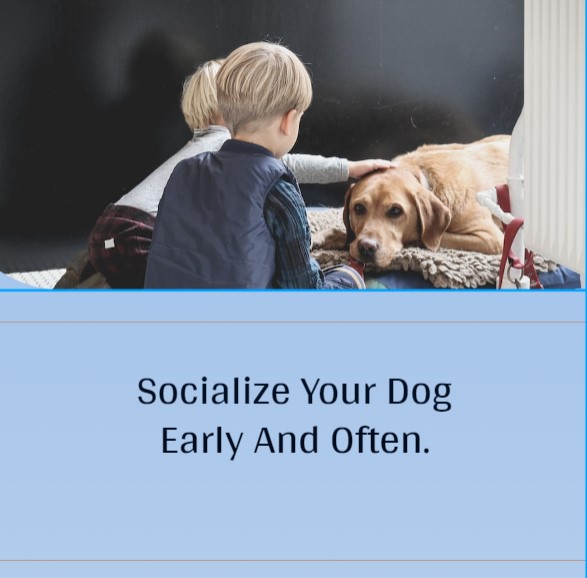
Socialize Your Dog: Early socialization is vital for dogs to become comfortable around people, other animals, and different environments. Gradually expose your dog to various situations, people of different ages and appearances, and other animals to promote positive interactions.


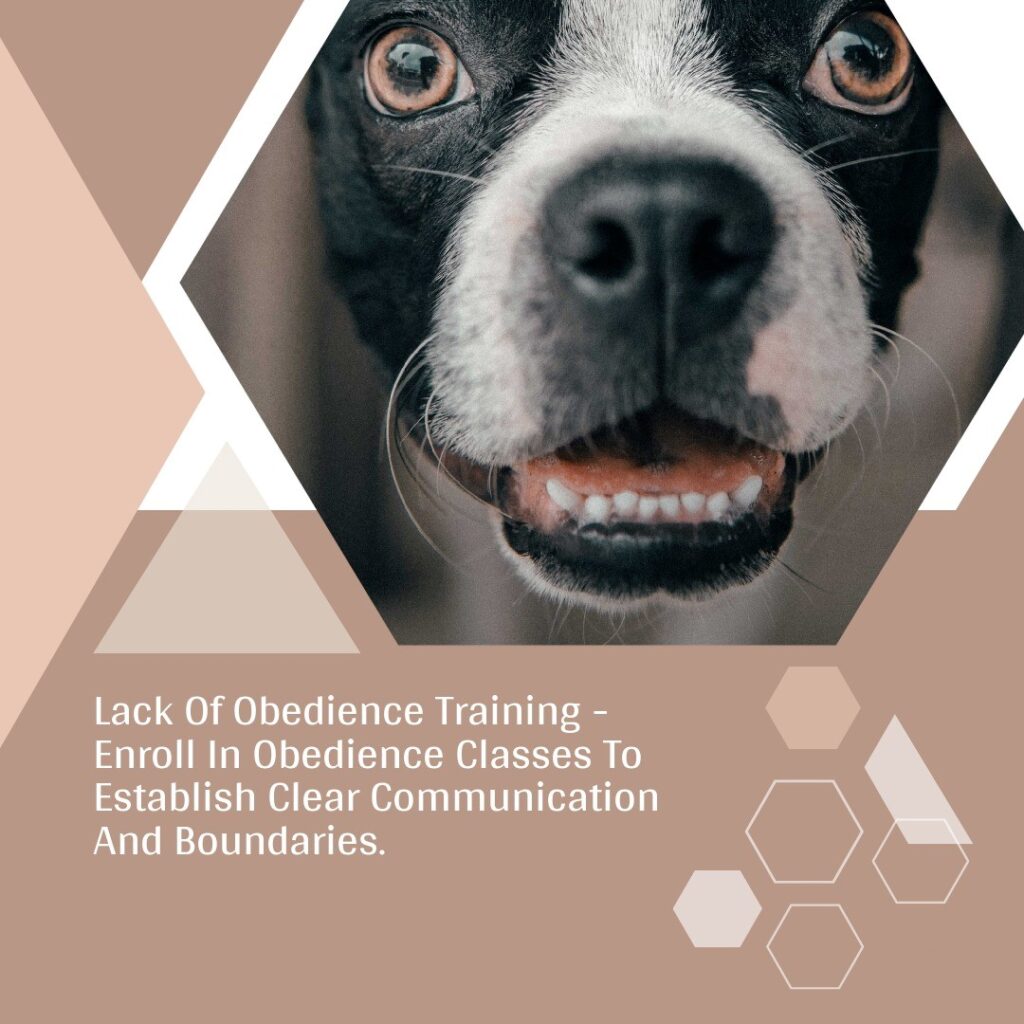
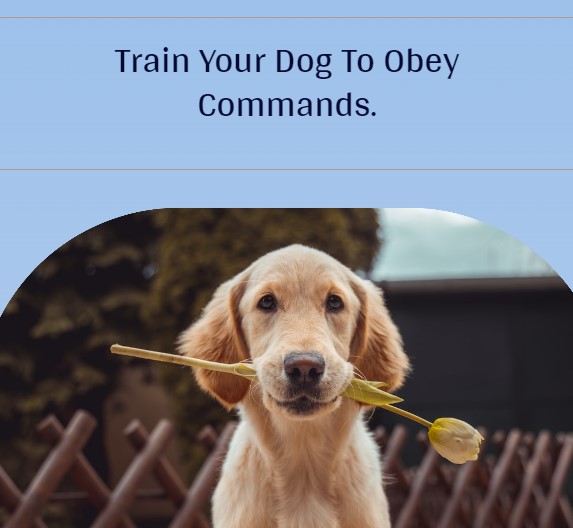
Train Your Dog: Proper training and obedience classes are essential to teach your dog basic commands like “sit,” “stay,” and “leave it.” This helps establish your role as the pack leader and allows you to control your dog’s behavior in various situations.


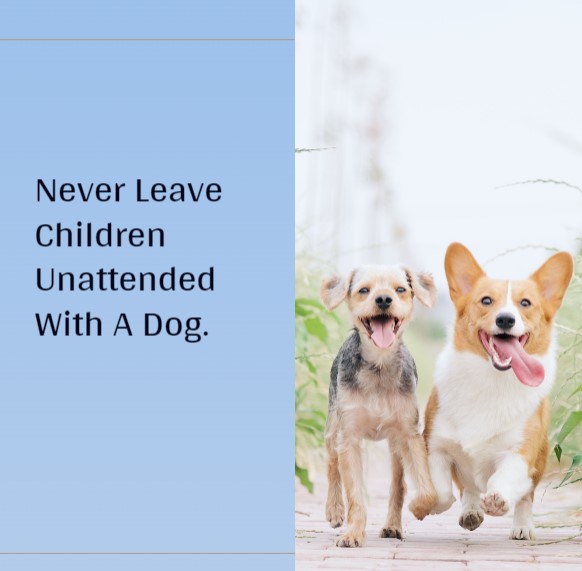
Supervise Interactions: Always supervise your dog’s interactions with children, unfamiliar adults, and other animals. Never leave your dog alone with small children, as they may not understand how to behave around dogs, and the dog may react unexpectedly.


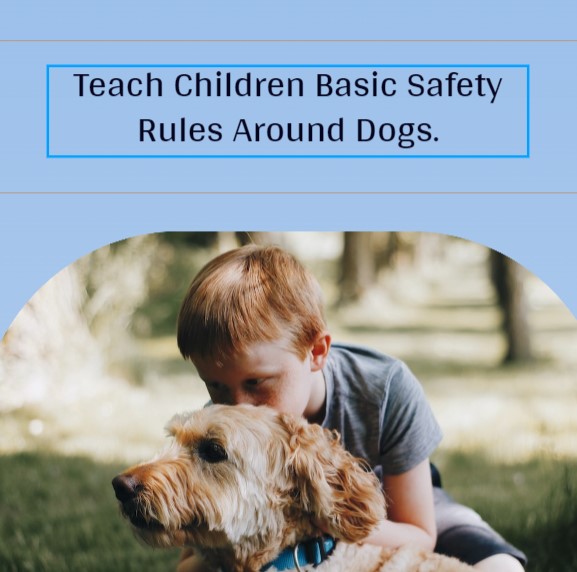
Teach Children About Dogs: Educate children about appropriate behavior around dogs. Teach them to ask for permission before approaching a dog and show them how to gently pet a dog. Encourage children to avoid bothering a dog while it’s eating, sleeping, or caring for puppies.


Recognize Stress Signals: Learn to recognize the signs of stress or discomfort in your dog, such as growling, bared teeth, rigid body posture, raised hackles, and a tucked tail. If your dog displays these signs, remove them from the situation calmly and provide a safe space for them.


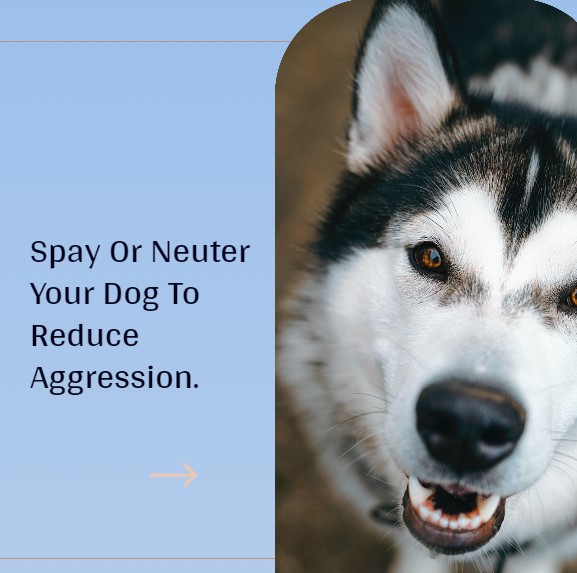
Spay or Neuter Your Dog: Spaying or neutering your dog can reduce aggressive behavior and the likelihood of dog bites. Consult your veterinarian to determine the appropriate time for this procedure.


Use Caution with Strangers: While your dog may be friendly and well-behaved, it’s important to be cautious when encountering strangers. Some individuals may have a fear of dogs or may not be comfortable around them. Always ask for permission before allowing someone to approach or pet your dog.


Remember, dog bite prevention is a shared responsibility. By following these tips and being a responsible pet owner, you can help ensure the safety and well-being of both your dog and others around you.


You may also visit – https://www.facebook.com/angkopparasahayop
 

Read More
07 Jun
0

How to Get Rid of Cat Fleas and Keep Them Away

How to Get Rid of Cat Fleas and Keep Them Away

Fleas can be a common problem for cats, but with proper treatment and preventive measures, you can effectively get rid of cat fleas and keep them away. Here are some steps you can follow:

Treat your cat with a flea control product: There are various flea control products available for cats, including spot-on treatments, oral medications, and flea collars. Consult your veterinarian to determine which product is best suited for your cat’s age, weight, and health condition. Follow the instructions on the product label carefully and treat your cat as directed.


Treat your home and environment

Fleas can infest your home and environment, so it’s important to thoroughly clean and treat these areas to eliminate fleas and prevent re-infestation. Vacuum your home, paying close attention to areas where your cat spends most of their time, such as carpets, upholstery, and bedding. Wash your cat’s bedding, as well as any other linens or fabrics that your cat comes into contact with, in hot water. You may also need to use a flea control spray or fogger specifically designed for home use to kill fleas and their eggs.


Treat other pets in the household

If you have other pets in the household, such as dogs or other cats, it’s important to treat them for fleas as well, even if they are not showing any signs of infestation. Fleas can easily transfer between pets and continue to infest your home if not treated comprehensively.


Practice regular grooming

Regular grooming, such as brushing your cat’s fur and using a flea comb, can help remove fleas and their eggs from your cat’s coat. Be sure to dispose of any fleas or eggs that you comb off your cat immediately and wash your hands thoroughly afterward.


Keep your indoor and outdoor environment clean

Keeping your indoor and outdoor environment clean can help prevent flea infestations. Vacuum your home regularly, especially in areas where your cat spends time, and keep your yard tidy by trimming grass and removing debris where fleas may hide.


Use preventive flea control measures

Using preventive flea control measures, such as monthly spot-on treatments or oral medications, can help keep fleas away from your cat. Consult your veterinarian for recommendations on long-term flea control options that are safe and effective for your cat.


Be vigilant and monitor for signs of fleas

Keep a close eye on your cat for any signs of fleas, such as excessive scratching, grooming, or red and irritated skin. If you suspect your cat has fleas, take prompt action to treat them and prevent further infestation.


Remember, flea control is an ongoing process, and it’s important to be consistent with treatment and prevention measures to keep your cat flea-free. If you’re unsure about how to effectively treat fleas or have concerns about using flea control products, consult your veterinarian for guidance.


You may also visit – https://www.facebook.com/angkopparasahayop
 

Read More
06 Jun
0

It’s your duty to pick up your pet’s doodie

Poop Bags: Picking Up After Your Dog

It’s your duty to pick up your pet’s doodie

The scoop on poop

Picking up after your dog during walks may not be pleasant, but it’s the right thing to do. After all, no one, not even you, wants to step in your dog’s mess on a sidewalk or in a yard.


Aside from being gross, un-scooped dog poop…

Can transmit parasites and illnesses to other dogs and people.

Can pollute nearby rivers and streams.

Does not make good plant fertilizer. In fact, poop that isn’t cleaned up will encourage other dogs to do their business in the same spot, causing a buildup of nitrogen that can kill grass and other plants.

The solution is simple: Carry plastic poop bags with you at all times. They’re a sanitary and convenient way to pick up your dog’s droppings.

Concerned about the environment? Some bags are made with recycled materials.

Read More
06 Jun
0

Keep Your Canine Safe: Essential Water Safety Tips for Your Furry Friend

Keep Your Canine Safe: Essential Water Safety Tips for Your Furry Friend

Be Prepared for Summer Fun with Your Pup and Take Steps To Prevent Water Accidents


Dogs are natural swimmers, right? Actually, no they aren’t! Dogs instinctively tread water if they fall in — it’s called dog paddling – but that isn’t the same as knowing how to swim. That’s why all dogs need to be properly introduced to water.

The first, most crucial step is obedience training, because a dog who disobeys you on land will definitely defy you in the pool, lake or ocean. After that, follow this advice to keep your pet healthy and happy.

Protect against drowning

  • Know your dog. Some breeds are better suited for water than others. Breeds with short snouts, including pugs, English bulldogs and Boston terriers, aren’t built for swimming and will likely be better off on dry land.
  • Never throw a dog into a body of water.
  • Never leave a dog unattended around water. (Be sure to fence in your pool if you have one.)
  • If you have a pool, show your dog how to get out using the steps. The two of you should practice exiting the pool together until your dog understands where the exits are and how to get out if they accidentally fall in.
  • Swimming is tiring, and a pooped pooch is more susceptible to drowning. It’s up to you to get your dog out of the water every so often for a rest.
  • Invest in a doggie life vest and take a dog CPR class.

Other water health tips

  • Don’t let your dog drink swimming water. Lakes and rivers can host parasites and algae, pool water is chlorinated, and ocean water is salty; none of these are good for your dog. Keep a dish of fresh water available for your pet.
  • Rinse off dogs after swimming to get rid of chlorine and salt water, which can dry their skin. Dry their ears afterward, too, to help prevent infection.


You may also visit – https://www.facebook.com/angkopparasahayop
Read More
02 Jun
0

INCREASE YOUR DOG’S LIFESPAN

INCREASE YOUR DOG’S LIFESPAN

Extending the lifespan of dogs is a topic of great interest to many dog owners and researchers. While there is no guaranteed method to dramatically increase a dog’s lifespan, there are several factors that can contribute to their overall health and potentially extend their life expectancy. Here are some tips:


Balanced Nutrition

Provide your dog with a well-balanced, high-quality diet that suits their age, breed, and specific health requirements. Consult with your veterinarian to determine the best nutritional plan for your dog.


Regular Exercise

Engage your dog in regular physical activity to maintain a healthy weight, strengthen their muscles, and keep their cardiovascular system in good condition. Exercise also helps to prevent obesity, which is linked to various health issues.


Veterinary Care

Schedule regular check-ups with your veterinarian to monitor your dog’s health, detect any potential problems early on, and ensure they receive necessary vaccinations and preventive treatments.


Dental Health

Maintain good dental hygiene for your dog, as oral health issues can lead to infections and other health complications. Brush their teeth regularly and provide appropriate chew toys to promote dental health.


Mental Stimulation

Dogs require mental stimulation to stay mentally sharp and engaged. Provide them with interactive toys, puzzles, and games to keep their minds active and prevent boredom.


Stress Management

Minimize stress in your dog’s environment and provide a safe, calm space for them to relax. Stress can have a negative impact on their overall health and well-being.


Spaying/Neutering

If you’re not planning to breed your dog, consider spaying or neutering them. This procedure can help prevent certain types of cancers and reduce the risk of reproductive-related health issues.


Preventive Measures

Protect your dog from common hazards such as parasites, toxins, and dangerous situations. Use flea and tick preventives, keep toxic substances out of reach, and ensure your dog is in a secure environment.


Breed Selection

When getting a dog, research and choose a breed with a longer average lifespan. Different dog breeds have varying life expectancies, and selecting a breed with a reputation for longevity may increase the chances of your dog living longer.


Quality of Life

Provide a loving, stimulating, and safe environment for your dog. Offer plenty of social interaction, affection, and opportunities for play and exercise to enhance their overall quality of life.


Remember, genetics also play a significant role in a dog’s lifespan, and some factors are beyond our control. It’s essential to cherish the time we have with our furry companions and make their lives as healthy and enjoyable as possible.


You may also visit – https://www.facebook.com/angkopparasahayop
Read More
02 Jun
0

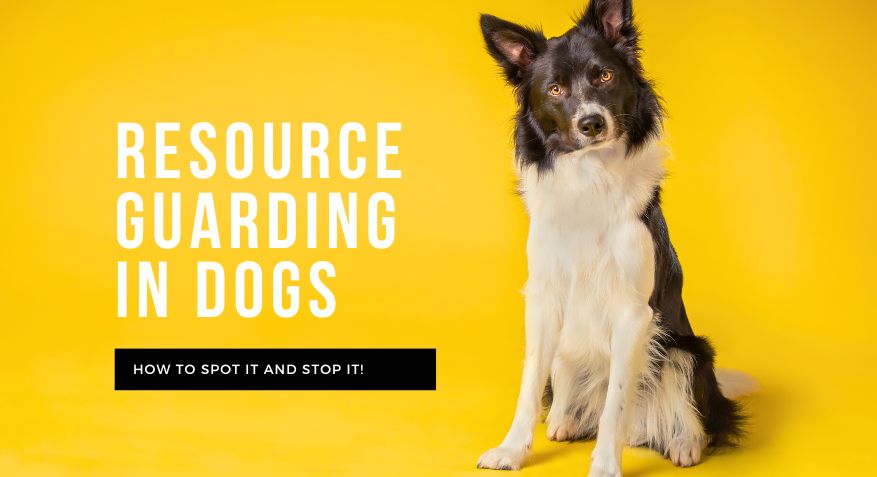
Resource Guarding in Dogs: How to Spot It and Stop It!

Resource Guarding in Dogs: How to Spot It and Stop It!

Resource guarding is a behavior exhibited by dogs where they protect and defend certain objects or areas that they perceive as valuable. This behavior can range from mild, such as growling or stiffening, to more severe, including biting or lunging. It’s essential to identify and address resource guarding early to prevent it from escalating. Here are some tips on how to spot and stop resource guarding in dogs:


Recognizing the Signs:

  • Growling, snarling, or snapping when someone approaches their food bowl, treats, toys, or any other valued item.
  • Stiff body posture or freezing when approached near a resource.
  • Showing whites of the eyes or wide-eyed expression when approached.
  • Curling the lip or showing teeth when someone tries to take away the item.
  • Eating rapidly or guarding food with their body, hovering over the bowl or item.
  • Aggression or possessiveness over specific areas, such as beds or resting spots.


Never Punish or Forcefully Remove Objects:

Punishing a dog for resource guarding can make the behavior worse and potentially lead to increased aggression. Avoid physically taking items away from the dog forcefully, as it may escalate the situation. Instead, focus on positive and proactive training methods.


Consult a Professional:

If you’re unsure about how to handle resource guarding or if the behavior is severe, consult a professional dog trainer or behaviorist. They can assess the situation, provide personalized advice, and guide you through the training process.


Gradual Desensitization and Counterconditioning:

Desensitization and counterconditioning techniques can help modify resource guarding behavior. The goal is to change the dog’s emotional response from guarding to accepting or even enjoying the approach of people when they have valuable items.

  • Start by sitting near your dog while they have a resource, without trying to take it away. Engage in calm activities or offer high-value treats at a distance where the dog remains comfortable.
  • Gradually decrease the distance between you and the dog over several sessions, ensuring the dog remains relaxed and positive.
  • Continue to reward the dog’s calm behavior and gradually introduce gentle touches or handling near the guarded item.
  • With time, the dog should learn that people approaching or being near their resources is a positive experience, and the guarding behavior should diminish.


Trade and Exchange:

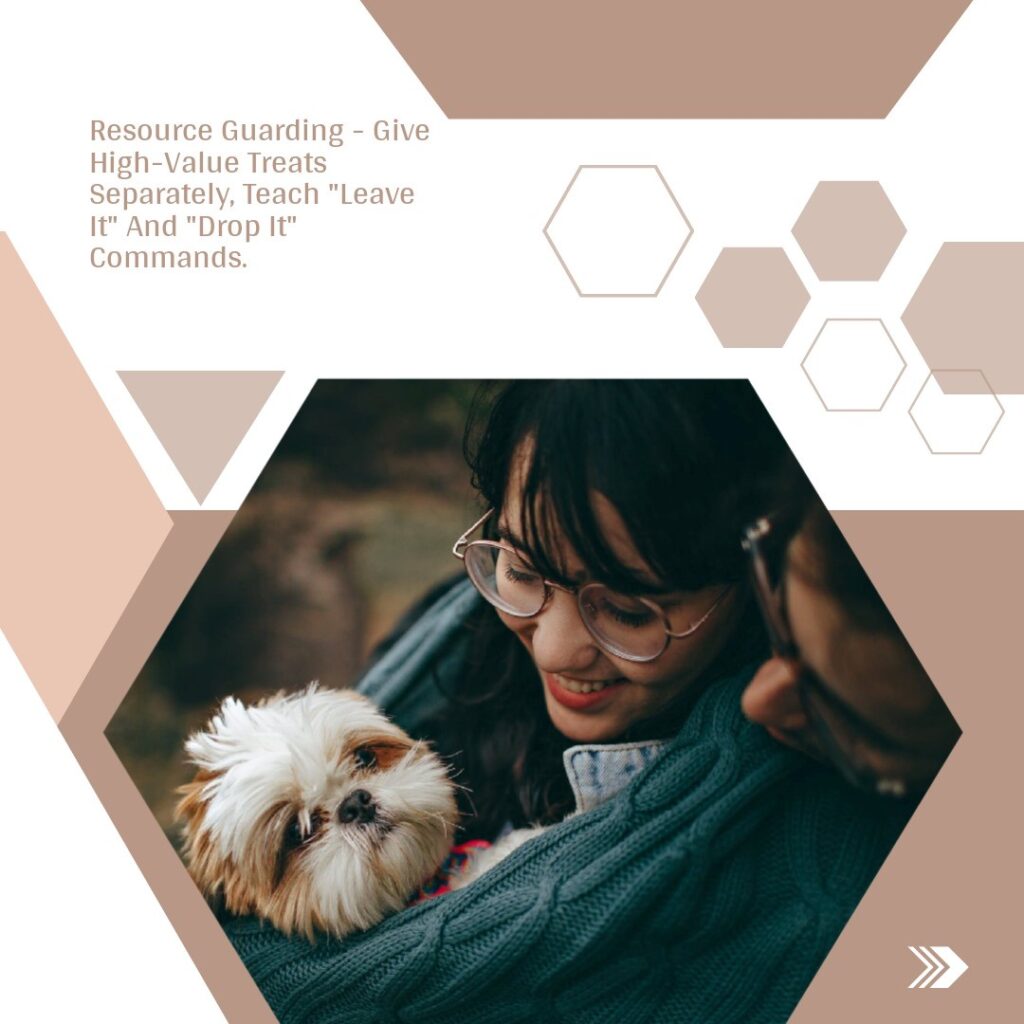
Teach your dog that giving up a valued item results in receiving something even better in return. Use high-value treats or toys to encourage the dog to drop or release the guarded item willingly. This teaches the dog that relinquishing a resource leads to a positive outcome.


Prevent Resource Guarding:

Prevention is key, especially when working with puppies or new dogs. Use the following strategies to help prevent resource guarding from developing:

  • Regularly handle and touch your puppy or dog, ensuring they are comfortable with human touch.
  • Practice “give” and “drop it” commands during play sessions to establish a positive association with releasing items.
  • Feed your dog in a calm and quiet environment, away from other animals or potential stressors.
  • Offer a variety of toys and chews to prevent the dog from becoming overly possessive of specific items.


Remember, addressing resource guarding requires patience, consistency, and positive reinforcement. By working with your dog and implementing appropriate training techniques, you can help them overcome resource guarding behavior.


You may also visit – https://www.facebook.com/angkopparasahayop

Read More
29 May
0

The Irresistible Charm of Kittens: A Delightful Bundle of Fur and Joy

The Irresistible Charm of Kittens: A Delightful Bundle of Fur and Joy

Kittens, those tiny, playful, and adorable balls of fur, have captured the hearts of millions of people worldwide. These tiny felines possess a unique and captivating charm that brings immense joy and happiness to anyone fortunate enough to be in their presence. In this article, we will explore the enchanting world of kittens, their endearing traits, and the profound impact they have on our lives.

The Allure of a Kitten’s Playfulness:

One cannot resist the infectious energy and playfulness exhibited by kittens. Their boundless curiosity and eagerness to explore the world around them can turn even the gloomiest of days into moments of laughter and amusement. Whether it’s chasing their own tail, pouncing on imaginary prey, or batting at a ball of yarn, kittens provide endless entertainment and remind us to embrace the simple joys of life.


The Undeniable Cuteness Factor:

With their soft fur, sparkling eyes, and tiny paws, kittens epitomize cuteness. They possess an innate ability to melt our hearts and elicit “awws” with their innocent and innocent expressions. Their small size and delicate features make them incredibly photogenic, capturing countless hearts through social media platforms. It’s no wonder that viral kitten videos and images spread like wildfire, bringing smiles to people across the globe.


Emotional Well-being and Companionship:

Kittens have a remarkable therapeutic effect on our well-being. Their presence can reduce stress, anxiety, and even lower blood pressure. The act of stroking a kitten’s fur has a soothing effect that releases endorphins, promoting relaxation and a sense of calmness. Additionally, their companionship can alleviate feelings of loneliness, as kittens provide unconditional love and a source of emotional support.


Lessons in Responsibility and Care:

Adopting a kitten comes with great responsibility and teaches important life lessons. Caring for a young life instills a sense of accountability and nurtures qualities such as empathy and compassion. Feeding, grooming, and ensuring the well-being of a kitten require dedication and patience, fostering a sense of commitment and teaching us valuable skills in caregiving.


Lifelong Bonds:

The bond between a kitten and its human companion is nothing short of extraordinary. Through their playful interactions, gentle purrs, and affectionate cuddles, kittens form deep connections with their owners. These bonds often transcend words and become an unspoken language of love and understanding. The joy of coming home to a kitten eagerly awaiting your arrival is a feeling that warms the heart and reminds us of the beauty of unconditional love.


Kittens, with their irresistible charm and captivating antics, bring immeasurable joy and happiness into our lives. Their playful nature, undeniable cuteness, and ability to provide emotional support make them cherished members of our families. As we embrace the adorable furballs that kittens are, we discover a world of endless love, laughter, and companionship—a world that is simply purrfect.


You may also visit – https://www.facebook.com/angkopparasahayop
 

Read More
24 May
0

PET-FRIENDLY TRAVEL CHECKLIST

PET-FRIENDLY TRAVEL CHECKLIST

Are you planning to hit the road with your furry friend? If yes, then here are some helpful tips to ensure a smooth and enjoyable journey:

  1. Prepare Your Pet: Get your pet vaccinated and make sure they’re up-to-date on all their medications. Pack a first aid kit, leash, and collar with identification tags.
  2. Secure Your Pet: Use a crate or a harness to keep your pet safe and secure during the trip. Never let them roam free in the car as it can be dangerous.
  3. Pack Essentials: Bring food, water, treats, and toys to keep your pet comfortable and entertained during the journey.
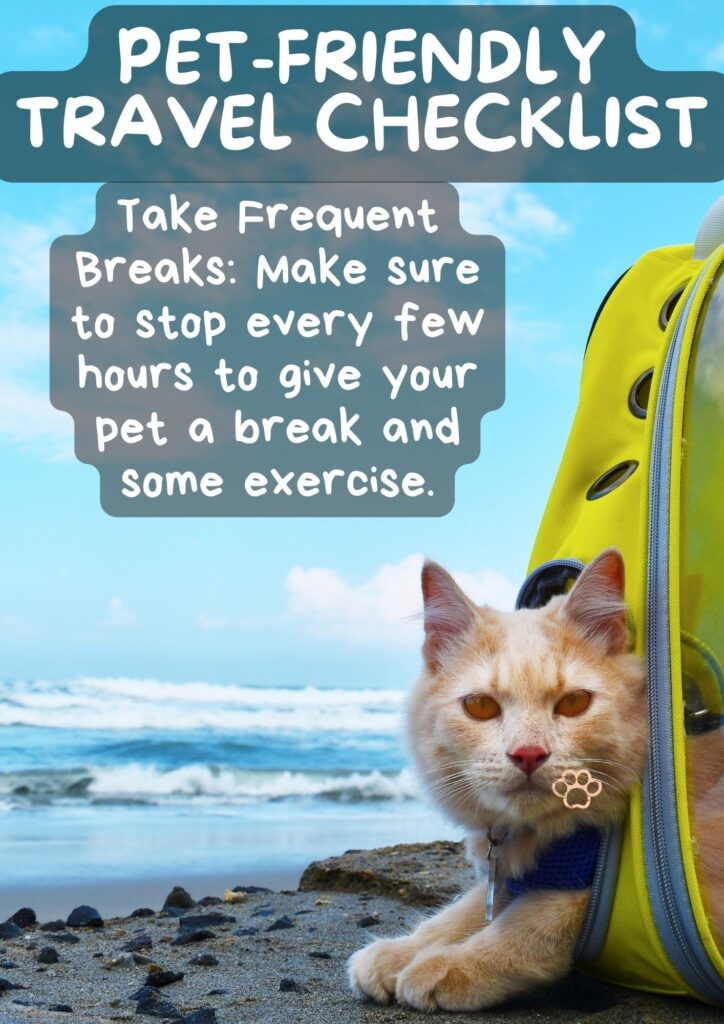
  4. Take Frequent Breaks: Make sure to stop every few hours to give your pet a break and some exercise.
  5. Research Pet-Friendly Accommodations: Before booking a hotel or rental, ensure that they allow pets to avoid any last-minute surprises.

With these simple tips, you and your furry friend can have a fantastic adventure together. Happy travels!

Don’t forget to share these tips with your fellow pet parents and spread the love!


You may also visit – https://www.facebook.com/angkopparasahayop
Read More
24 May
0

Dog Behavior Problems – Aggression Between Household Dogs

Dog Behavior Problems – Aggression Between Household Dogs

Aggression between household dogs can be a challenging and concerning issue. It’s important to address this problem as soon as possible to ensure the safety and well-being of all the dogs involved and the people in the household. Here are some steps you can take to help manage and address aggression between household dogs:

Be patient and consistent: Changing behavior takes time, and progress may be slow. Consistency, patience, and persistence are key. Follow the behavior modification plan provided by the professional, and remain dedicated to resolving the aggression issues.


Remember, it’s crucial to consult with a professional experienced in dog behavior problems to ensure the safety and well-being of everyone involved. They can provide you with a more comprehensive assessment and tailored advice based on your specific situation.


You may also visit – https://www.facebook.com/angkopparasahayop

Read More