Blog

24 May
0

Cost of Owning a Dog

Cost of Owning a Dog

A loyal companion, a furry friend, a source of unconditional love – owning a dog can bring joy to many. But, with joy comes responsibility and cost.

There are numerous expenses associated with owning a dog, from food and medical care to toys and training. Let’s take a look at the biggest expenses of owning a dog.


You may also visit – https://www.facebook.com/angkopparasahayop


Read More
24 May
0

CELEBRATING WITH PETS

CELEBRATING WITH PETS

When you adopt a pet, you may not know their actual birthday … you might not even know their exact age. That’s why so many owners of adopted pets celebrate their pet’s “Gotcha Day”!

A “Gotcha Day” is the anniversary of your pet’s adoption day. So whether you’re celebrating one week, one month, or annually, your pet’s “Gotcha Day” is a great opportunity to acknowledge and thank our pets for the love and joy they bring into our lives every day.

While there are many ways to celebrate the day you first brought your pet home, we’ve put together our top 8 pet adoption day ideas to honor your pet.


Special Meal or Treat

What better way to celebrate than with your pet’s favorite treat? Whether you bake your cat or dog a special pet–friendly cake or buy their favorite store–bought treat, they’re sure to be happy! Make it an event by letting them help you prepare their Gotcha Day treat — they’ll love getting to play “taste–tester.”


Host a Playdate

If your dog (or sociable cat) has a particular buddy they enjoy playing with, host them for a playdate. If your dog needs more room to run, head to the local dog park for frolicking fun!


Let Them Pick Out a Gotcha Day Gift

Take your dog or adventurous cat on a trip to the pet supply store. They can walk through and pick their own Gotcha Day gift! If your cat or dog doesn’t appreciate trips outside of the house, pick them out a toy or treat you know they’ll love, or bring home a few options to see what their “toy-type” is.


Spend Time with Your Pet

There’s nothing your pet loves more than getting to spend quality time with you. Take some time to do an activity your pet enjoys together. Grab a teaser toy and play with your cat, or set aside extra time for fetch with your dog. If your dog isn’t as active as they used to be, take them out for a meandering walk where they get to sniff to their heart’s content. And both older cats and dogs will enjoy extra snuggle time with you on the couch.


Commission a Pet Portrait

Celebrate and commemorate your pet by having a portrait made of them. You can commission a portrait of your cat or dog, or head to your local portrait studio for a picture to be taken of you together. There are lots of options online that can expertly photoshop your dog or cat into amusing outfits or famous art pieces. Who wouldn’t want to prominently feature their pet front and center in their art collection?


Throw a Party

If big celebrations are your pet’s idea of a good time, your pet’s adoption day is a great reason to celebrate. Host your pet’s friends (or yours) for a “paw–ty” with decorations, pet-friendly cupcakes or cake, fun training games, and party favors of treats and toys for guests to take home.


Donate to a Shelter or Rescue in Your Pet’s Name

Give other pets the opportunity to positively impact someone’s life by donating to a shelter or rescue in your pet’s name. Spread the word and raise more funds by sharing social media posts and telling your pet’s personal adoption story. These donations are vital to a shelter or rescue and allow them to house and feed pets while they get ready for adoption.


Share Your Pet’s Adoption Story

Your pet’s “Gotcha Day” is the perfect time to share your love for them on social media. Share their adoption story or your favorite memory of them and include a fun picture! Your pet’s story may even inspire others to adopt a dog or cat of their own!


You may also visit – https://www.facebook.com/angkopparasahayop


Read More
24 May
0

My Cat Won’t Eat: Feeding Picky Eaters

My Cat Won’t Eat: Feeding Picky Eaters

What do you do when your cat refuses to eat a new kind of food or suddenly stops eating the food he once enjoyed? Even though felines are notoriously finicky when it comes to food, not knowing what’s going on can leave you feeling frustrated, confused and worried.

Your cat is ignoring dinner and stalking away.  Here’s how to deal –

Rule out serious health problems

If your cat isn’t interested in dinner (or breakfast, or even a snack), and you can’t figure out why, it’s time for a visit to the vet. Expect your cat’s doctor to ask about weight loss, vomiting and diarrhea in order to discover whether kidney, liver or pancreas problems might be causing your pet to boycott the bowl. Also on the agenda: Ruling out dental problems that might be making it tough for your cat to chew.

Assuming Kitty gets a clean bill of health, then it’s time to consider what else might be causing the problem.


Look at your own behavior

Sometimes, cat owners inadvertently contribute to their pets’ bad eating habits. Cats who are fed from the table may start turning up their nose at their own food because people food tastes better. Feeding cats between-meal treats (even treats made for cats) might also make their meals seem less tasty by comparison.


Try these strategies to get your kitty to eat:

 Establish regular mealtimes for your cat, and stick to that schedule.

  • Praise your pet for eating.
  • After 30 minutes, take away any uneaten food. Don’t offer your cat a morsel more until the next mealtime.
  • Look for cat foods with labels that say “taste” or “flavor.” Some manufacturers use scientific studies and vet advice to make their foods more appealing to picky kitties.
  • If you feed your cat kibble, consider switching to wet cat food. Some cats prefer it.
  • No more people food. Seriously.
  • Pets’ nutritional needs can change as they age or if they develop certain health conditions.


You may also visit – https://www.facebook.com/angkopparasahayop

Read More
24 May
0

HOW TO GIVE STUBBORN CATS MEDICINE

HOW TO GIVE STUBBORN CATS MEDICINE

The Easiest Way to Give a Cat A Pill

The easiest way to give a cat a pill is undoubtedly to hide it in food. Before trying this method, ask your veterinarian if your cat’s tablet can be given with a meal (some medications require an empty stomach). And while you’re at it, ask them if it is ok to open a capsule or crush a pill up before mixing it with food. Doing so could cause you to unknowingly deactivate their medication or cause it to be distasteful.


Be Prepared

Imagine having your cat restrained, their jaw open, their claws quickly emerging – only to realize you haven’t opened up the bottle of their medication. Learn from the mistakes of countless pet parents before you and make sure you’re prepared.
You’ll want to have the correct dose of the medication ready to go and all the supplies you need (e.g. pill popper, cat treats) within arm’s reach. Whether you’re going at it alone or you have someone to help you, walk through the plan of exactly what you’re going to do.
Find a time when your cat is relaxed and don’t interrupt them if they are eating, grooming, or using the toilet. Then, approach your cat in a calm and confident manner – the same way you would if you were going to give them a cuddle.


Make it Go Down Easier

Lubricate larger capsules and chalky pills with a small amount of butter or a pet safe gel so they move down the esophagus easier.


How to Position Your Cat

Set your cat on your lap or a non-slippery hard surface, such as the floor or a table. Calm them by petting them and distracting them with treats before you jump in with your well-intentioned ambush.
Position your cat so that they face away from you. This is because cats typically will try to squirm backwards to break free and your body can protect them from falling.

You’ll give the medication with your dominant hand and hold their jaw open with your non-dominant hand, so adjust yourself accordingly.


You’ll want to do these steps as quickly as possible:

1. Open your cat’s mouth. Place your non-dominant hand on top of their head and tilt their nose towards the ceiling. Their lower jaw should drop slightly; Firmly push your thumb and middle finger into the corners of your cat’s mouth, just under their cheekbones, to open their jaw. If this isn’t enough to open their mouth, you can use your pinky finger of your dominant hand (the index finger and thumb should be already holding the pill) to gently pull their lower jaw down.

2. Insert capsule. When your cat’s mouth is open, place the capsule as far into the back of your cat’s mouth as you can. If you look closely, there is a divot in the back of the tongue that some vets call “the pill slot” – this is what you are aiming for. Make sure your cat’s head is tilted slightly upwards – gravity will help you get the pill into the back of the throat. Once in, release your cat’s head to a neutral position and gently hold their mouth closed.

3. Induce swallowing. Rub your cat’s throat for a few seconds to stimulate swallowing. Offer treats, wet food, or yogurt to ‘chase’ the pill to ensure it doesn’t get stuck in the esophagus or spit out. Having a syringe or dropper full of a small amount of water, tuna juice, or chicken broth to squirt in immediately following the pill can also help with swallowing, particularly for meds with a bitter taste.
If your cat doesn’t swallow the pill on the first try, let them spit it all the way out and try again.


You may also visit – https://www.facebook.com/angkopparasahayop


Read More
24 May
0

The Secret Language of Dogs

The Secret Language of Dogs

Dogs have a unique way of communicating with humans and with each other through a combination of vocalizations, body language, and scent signals. While dogs don’t have a secret language per se, they do use a variety of cues to convey their intentions, emotions, and needs.


Some common forms of communication in dogs include:


Barking: Dogs bark to communicate various messages, such as alerting their owners to potential danger, expressing excitement, or seeking attention. The tone, pitch, and intensity of the bark can provide clues about the dog’s state of mind.


Body language: Dogs use their bodies to communicate a wide range of emotions and intentions. For example, a wagging tail generally indicates happiness and friendliness, while a tucked tail may suggest fear or submission. Other body signals like raised hackles, a relaxed or tense posture, and facial expressions can also convey important information.


Eye contact: Direct eye contact between dogs can be a sign of assertiveness or aggression, depending on the context. In human-dog interactions, prolonged eye contact from a dog may indicate trust or a desire for attention.


Facial expressions: Dogs can display a variety of facial expressions that can indicate their mood or intentions. For example, a relaxed and open mouth with a loosely hanging tongue is often a sign of a happy and relaxed dog, while a wrinkled forehead and a tense mouth may indicate stress or aggression.


Tail wagging: Contrary to popular belief, a wagging tail does not always mean a dog is friendly. The position, speed, and direction of the wag can provide important clues about a dog’s emotional state. A loose and wide wag often indicates happiness, while a stiff, high wag may indicate alertness or potential aggression.


Understanding these and other cues can help humans interpret a dog’s behavior and respond appropriately. It’s important to remember that each dog is an individual, and while there are general guidelines for interpreting their communication, it’s also crucial to consider the context and the dog’s overall body language when trying to understand what they’re trying to convey.


You may also visit – https://www.facebook.com/angkopparasahayop


Read More
16 May
0

Keeping your feline friend happy and healthy

Keeping your feline friend happy and healthy


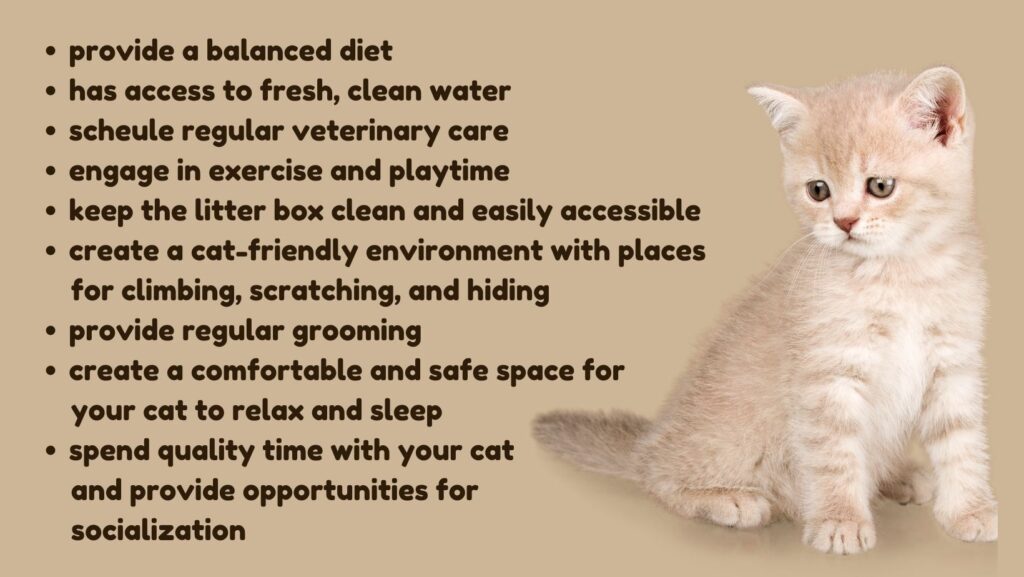
Keeping your feline friend happy and healthy is essential for their overall well-being. Here are some tips to help you achieve that:


Provide a balanced diet: Feed your cat high-quality cat food that meets their nutritional needs.  Consult with your veterinarian to determine the appropriate diet based on their age, weight, and any specific health requirements.

Fresh water: Ensure your cat always has access to fresh, clean water. Consider using a cat water fountain to encourage them to drink more.

Regular veterinary care: Schedule regular check-ups with a veterinarian to monitor your cat’s health, receive vaccinations, and address any concerns or illnesses promptly.

Exercise and playtime: Engage your cat in regular play sessions to keep them mentally stimulated and physically active. Use interactive toys, laser pointers, or feather wands to encourage their natural hunting instincts. Provide scratching posts to help them exercise their
claws.

Litter box maintenance: Keep the litter box clean and easily accessible. Scoop it daily and change the litter regularly to maintain cleanliness. Cats are naturally clean animals, and an unclean litter box can lead to stress and behavioral issues.

Enrich their environment: Create a cat-friendly environment with places for climbing, scratching, and hiding. Provide perches near windows so they can observe the outside world. Offer toys, scratching posts, and comfortable resting spots to keep them entertained.

Grooming: Regular grooming helps keep your cat's coat clean, reduces shedding, and prevents hairballs. Brush your cat’s fur regularly, trim their nails when necessary, and clean their ears and teeth as recommended by your veterinarian.

Environmental safety: Ensure your home is safe for your cat. Remove toxic plants, keep cleaning chemicals and medications out of reach, secure windows and balconies, and eliminate any hazards that could potentially harm your feline friend.

Social interaction: Spend quality time with your cat and provide opportunities for socialization. Cats are social animals, and they benefit from human interaction and companionship. Engage in gentle play, petting, and talking to your cat to strengthen your bond.

Provide a cozy space: Create a comfortable and safe space for your cat to relax and sleep.  Remember, every cat is unique, and it's important to understand their individual needs and preferences. By following these guidelines and giving your feline friend love and attention, you can help ensure their happiness and well-being


You may also visit – https://www.facebook.com/angkopparasahayop


Read More
16 May
0

Tips for Keeping Your Pets Cool in Summer

Tips for Keeping Your Pets Cool in Summer

As the temperature rises this summer season, it’s essential to ensure that our furry friends stay cool and comfortable. Pets are susceptible to heat-related illnesses and discomfort, so it’s crucial to take proactive measures to protect them from overheating. In this article, we’ll provide you with some valuable tips on how to keep your pets cool during the summer season.


Provide Ample Shade:

Create shaded areas in your backyard or outdoor space where your pets can retreat from the direct sun. Set up a sturdy canopy or use natural shade from trees to offer them a cool spot to relax. Ensure that the shaded area is well-ventilated and free from any potential hazards.


Fresh Water at All Times:

Make sure your pets have access to clean, fresh water at all times. Check their water bowls regularly and refill them as needed. Consider placing multiple water bowls in different areas of your home or yard to make it convenient for them to stay hydrated wherever they are.


Limit Outdoor Activities:

Avoid taking your pets for walks or engaging in vigorous playtime during the hottest parts of the day. Opt for early mornings or late evenings when the temperature is cooler. Asphalt and pavement can become scorching hot and burn your pet’s paws, so test the ground with your hand before venturing out.


Indoor Cool Zones:

Create cool areas inside your home where your pets can seek refuge from the heat. Keep blinds or curtains closed during the hottest hours to block out the sun. Use fans or air conditioning to maintain a comfortable temperature indoors.


Avoid Hot Cars:

Never leave your pets unattended in a parked car, even for a short period. The temperature inside a vehicle can rise rapidly, leading to heatstroke and even death. If you must travel with your pets, ensure that the vehicle is properly ventilated and cool, and make regular stops to allow them to stretch their legs and drink water.


Grooming and Fur Maintenance:

Regular grooming is essential for keeping your pets cool. Brushing their coats helps remove excess hair and prevents matting, allowing air to circulate freely and helping to regulate their body temperature. However, consult with a professional groomer or your veterinarian to determine the best grooming practices for your specific pet.


Cool Treats and Toys:

Provide your pets with frozen treats or ice cubes made from pet-safe ingredients to help them cool down. You can also freeze their favorite toys for added enjoyment and comfort. Remember to avoid using toxic substances such as xylitol, chocolate, or grapes, which can be harmful to pets.


Monitor for Signs of Overheating:

Be vigilant and observe your pets for any signs of overheating. Symptoms may include excessive panting, lethargy, drooling, pale gums, rapid heartbeat, or vomiting. If you notice any of these signs, move your pet to a cooler area immediately, offer them water, and contact your veterinarian for further guidance.


Conclusion:

Keeping your pets cool and comfortable during the summer months is crucial for their well-being. By providing ample shade, fresh water, and avoiding excessive heat exposure, you can ensure their safety and protect them from heat-related illnesses. Remember to always prioritize your pet’s comfort and make adjustments as necessary to keep them happy and healthy throughout the summer season.


You may also visit – https://www.facebook.com/angkopparasahayop

Read More
16 May
0

Recognize Signs of Pain in Your Pet

Recognize Signs of Pain in Your Pet

Animals often hide pain, and being able to recognize signs of pain in animals is an essential aspect of responsible pet ownership. 

Pain reduces an animal’s quality of life and will have far-reaching negative consequences if it is not properly addressed, ultimately shortening the animal’s life.  


NEGATIVE CONSEQUENCES OF PET PAINS

  • Decreased quality of life: Pets in pain may have difficulty performing normal activities such as walking, playing, or eating, which can greatly impact their overall well-being.


  • Changes in behavior: Pain can cause pets to become irritable, aggressive, or withdrawn. They may also avoid activities or interactions that they used to enjoy.


  • Delayed healing: Pain can slow down the healing process, as it can cause pets to be less active and less likely to participate in physical therapy or other forms of rehabilitation.


  • Compromised immune system: Chronic pain can weaken the immune system, making pets more susceptible to infections and other illnesses.


  • Depression and anxiety: Pets in pain may experience depression or anxiety, which can further impact their quality of life.


  • Increased risk of obesity: Pets in pain may be less active and exercise less, leading to weight gain and obesity, which can exacerbate their pain.


It is important to recognize and treat pain in pets promptly to avoid these negative consequences.


You may also visit – https://www.facebook.com/angkopparasahayop

Read More
12 May
0

What is the motivation behind you wanting to have a pet?

What is the motivation behind you wanting to have a pet?

To make this consideration easier for you we’ve prepared a simple matrix through the typical statements that people have made in connection with their own or a family pet, and at the end consider the advice given.


Internal Motivators:


  • Companionship: Many people want pets as companions, as pets provide a sense of love, comfort, and friendship that can be difficult to find elsewhere.
  • Unconditional Love: Pets offer unconditional love and acceptance, which can be incredibly valuable to people who may not receive that kind of support from others.
  • Reduced Stress: Studies have shown that interacting with pets can help reduce stress levels and lower blood pressure, making pets an attractive choice for people who are looking for ways to relax and unwind.
  • Improved Mental Health: Pets have been shown to have a positive impact on mental health, with studies suggesting that they can help reduce symptoms of anxiety and depression.
  • Responsibility: For many people, owning a pet is an opportunity to take on responsibility and develop important life skills like time management, organization, and empathy.
  • Personal Growth: Caring for a pet can help people develop a sense of purpose and achieve personal growth, as they learn how to balance the needs of another living being with their own needs and goals.
  • Altruism: Some people want pets simply because they want to give an animal in need a loving home.


External Motivators:

  • Social Status: In some cultures, owning certain types of pets can be seen as a symbol of wealth, status, or fashion. This can be a motivator for people who want to project a certain image to others.
  • Protection: Some people want pets for protection, as certain breeds of dogs can be trained to guard their owners and their property.
  • Entertainment: Pets can be a source of entertainment, as they can be trained to perform tricks, play games, or provide a source of humor and amusement.
  • Exercise: Some people want pets as a way to motivate themselves to exercise, as walking a dog or playing with a pet can provide a fun and enjoyable way to stay active.
  • Emotional Support: Pets can be trained to provide emotional support to people who are struggling with mental health issues, making them a valuable tool for people who need extra support.
  • Family Tradition: For some families, owning a pet is a tradition that has been passed down from generation to generation, making it an important part of their cultural heritage.
  • Health Benefits: Owning a pet has been linked to a variety of health benefits, including lower blood pressure, reduced risk of heart disease, and improved immunity, making pets an attractive choice for people who are concerned about their health.


You may also visit – https://www.facebook.com/angkopparasahayop

Read More
10 May
0

DOGS ARE PROTECTIVE OVER THEIR PUPPIES

DOGS ARE PROTECTIVE OVER THEIR PUPPIES

Yes, dogs are known to be protective over their puppies. It is a natural instinct for a mother dog to protect and care for her offspring. When a dog has puppies, she will exhibit behaviors that are geared towards keeping her puppies safe and secure. In fact, maternal instincts are one of the strongest instincts in dogs, and they will go to great lengths to protect their offspring from any potential threat. This is because in the wild, the survival of the puppies is crucial for the continuation of the species, and the mother dog will do everything she can to ensure the safety of her young.

A protective mother dog may become more alert and vigilant, constantly watching over her puppies. She may also become more vocal, barking or growling to ward off potential threats. Additionally, a mother dog may display aggressive behavior if she perceives a threat to her puppies, showing signs of protecting them.

It’s important to note that while many dogs exhibit protective behaviors towards their puppies, individual variations exist. Some dogs may be more protective than others, and the level of protectiveness can also depend on the dog’s breed, temperament, and past experiences.

Dogs are generally protective over their puppies. IIf a mother dog feels that her puppies are in danger, she may exhibit protective behaviors such as growling, barking, or even attacking in order to defend her puppies. This behavior can extend to other dogs or even humans who the mother dog perceives as a threat. It is important for humans to respect a mother dog’s protective instincts and to give her and her puppies space to ensure their safety.


You may also visit – https://www.facebook.com/angkopparasahayop

Read More