Blog

26 Jun
0

How to Transition Your Outdoor Cat to an Indoor Lifestyle

How to Transition Your Outdoor Cat to an Indoor Lifestyle

Transitioning an outdoor cat to an indoor lifestyle can be a gradual process that requires patience and careful planning. Here are some steps you can take to help your outdoor cat make the transition:
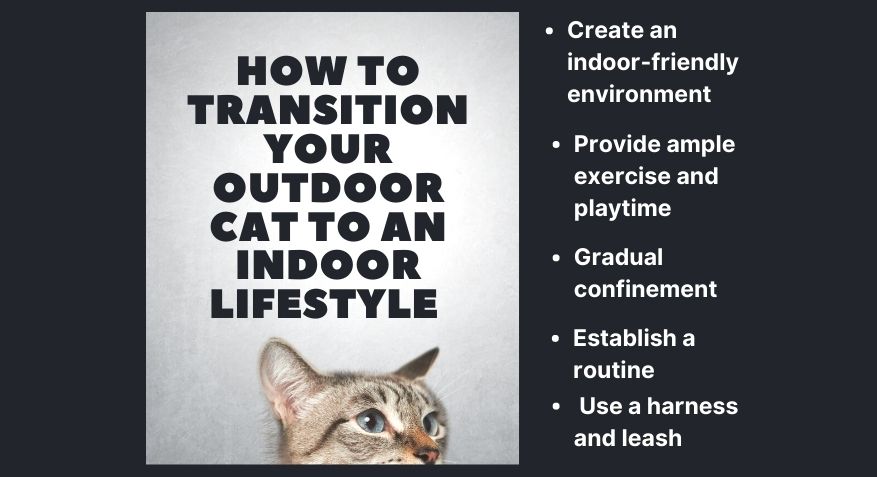
 

  1. Create an indoor-friendly environment: Ensure that your home provides a stimulating and enriching environment for your cat. This includes providing scratching posts, climbing trees, interactive toys, and cozy resting areas. The goal is to replicate some of the experiences and activities your cat enjoyed outdoors.


  1. Provide ample exercise and playtime: Since outdoor cats have more opportunities for physical activity, it’s essential to ensure your indoor cat gets enough exercise. Dedicate regular playtime sessions using interactive toys and engage your cat in activities that encourage running, jumping, and chasing.


  1. Gradual confinement: Start by confining your cat to a single room or a designated area of your home for a few days or weeks. Make sure this area contains all the necessary resources like litter box, food, water, and toys. This allows the cat to adjust to being indoors while feeling safe and secure.


  1. Use a harness and leash: Introduce your cat to a harness and leash, and gradually accustom them to wearing it. Start by letting your cat wear the harness indoors for short periods, and then progress to supervised outdoor visits within a controlled and safe environment, like a secure backyard.


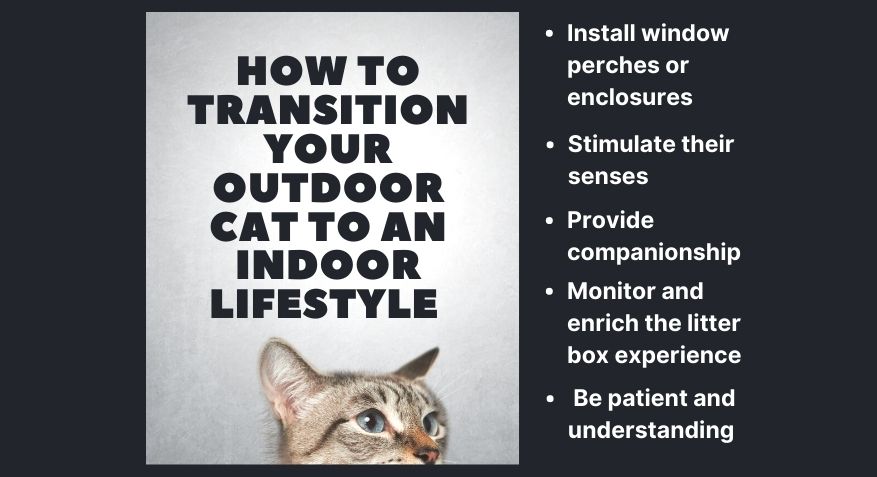
  1. Install window perches or enclosures: Cats love observing the outdoors, so providing them with window perches or installing cat enclosures can be beneficial. These allow your cat to enjoy the sights, sounds, and smells of the outside world while staying safe indoors.


  1. Stimulate their senses: Keep your indoor cat mentally stimulated by providing toys that encourage hunting and foraging behaviors. Puzzle toys and treat-dispensing toys can help keep your cat entertained and mentally engaged.


  1. Establish a routine: Cats thrive on routine, so establish a consistent daily routine for feeding, playtime, and other activities. This helps provide structure and predictability, reducing any potential stress associated with the transition.


  1. Monitor and enrich the litter box experience: Ensure you have clean litter boxes available and regularly clean them to maintain a hygienic environment. Consider using different types of litter or litter boxes to find what your cat prefers. Some cats prefer covered litter boxes, while others prefer open ones.


  1. Provide companionship: If your outdoor cat is used to interacting with other cats, consider adopting a compatible feline companion. This can provide social interaction and reduce the boredom that may arise from being indoors.


  1. Be patient and understanding: Remember that transitioning an outdoor cat to an indoor lifestyle can take time. Your cat may show signs of frustration or restlessness initially. Be patient, provide positive reinforcement, and shower them with love and attention during the transition period.


Always consult with a veterinarian for specific advice tailored to your cat’s needs and to ensure a smooth transition.


You may also visit – https://www.facebook.com/angkopparasahayop

Read More
23 Jun
0

Why did my dog suddenly attack my other dog?

Why did my dog suddenly attack my other dog?

As fur parent it is frustrating and worrisome to see your fur babies suddenly attacking one another.  They’ve been together for months/years, grew up harmoniously and even sweet and playful to each other when one day, one of them started attacking the other for no pattern or known reason, as far as you are concern.  That’s why it is important that we are more observant as there are various reasons for this sudden aggression between dogs.

It is important to consider the following possibilities:


Medical issues

Dogs may display aggressive behavior when they’re in pain or discomfort. If this behavior is sudden and out of character for your dog, it’s a good idea to take both dogs to a veterinarian to rule out any underlying health problems.


Resource guarding

Dogs can become possessive and protective of their food, toys, or other valuable resources. If one dog perceives a threat to its resources, it may become aggressive towards the other dog. Separating valuable items and providing separate feeding areas can help prevent conflicts.


Territorial behavior

Dogs are territorial animals, and conflicts can arise when they feel their territory is being invaded. This can happen if you’ve introduced a new dog or changed the living arrangements. Proper introductions and gradual adjustments can help reduce territorial aggression.


Social hierarchy and dominance:

Dogs naturally establish a social hierarchy within their pack. Aggression might occur when there is a power struggle or a change in the dynamics between the dogs. Consulting a professional dog trainer or animal behaviorist can help address and manage these issues.


Fear or anxiety

Dogs may display aggression when they’re scared or anxious. Identifying and addressing the source of fear or anxiety, such as loud noises, new environments, or previous traumatic experiences, can help alleviate aggressive behavior.


It’s crucial to ensure the safety of both dogs and seek professional advice. Consider consulting a veterinarian or a certified dog behaviorist who can evaluate the situation firsthand and provide tailored guidance based on your specific circumstances.


You may also visit – https://www.facebook.com/angkopparasahayop

Read More
21 Jun
0

The Importance of Regular Veterinary Check-ups for Pets

The Importance of Regular Veterinary Check-ups for Pets


Regular veterinary check-ups are crucial for maintaining the health and well-being of our beloved pets. Just like humans, animals require preventive care and monitoring to detect potential health issues early on and provide timely interventions. Here are some key reasons why regular veterinary check-ups are important:


Early Disease Detection

Many illnesses and diseases in pets can be asymptomatic or show subtle signs in the early stages. Regular check-ups allow veterinarians to perform a comprehensive examination, including physical assessments, laboratory tests, and diagnostic screenings. Detecting diseases early increases the chances of successful treatment and can potentially save your pet’s life.


Vaccinations and Preventive Care

Vaccinations play a vital role in protecting pets from various infectious diseases. During check-ups, veterinarians can assess your pet’s vaccination status and administer any necessary vaccines. Additionally, they can recommend and prescribe preventive treatments for common issues like fleas, ticks, heartworms, and intestinal parasites, which help keep your pet healthy and prevent infestations or diseases.


Dental Health

Dental problems are common among pets, and they can lead to significant discomfort, pain, and even systemic infections. Regular veterinary check-ups often include dental examinations and professional cleanings, which can help prevent dental diseases, remove tartar buildup, and address oral health issues early on.


Nutrition and Weight Management

A balanced diet is crucial for your pet’s overall health. During check-ups, veterinarians can evaluate your pet’s nutritional needs, offer dietary recommendations, and address any weight-related concerns. Maintaining a healthy weight is essential to prevent obesity-related conditions and promote a longer, happier life for your pet.


Behavior and Mental Health

Veterinary check-ups also provide an opportunity to discuss any behavioral changes or concerns you may have about your pet. Veterinarians can offer advice on training, address anxiety or stress-related issues, and provide appropriate referrals if necessary. Mental well-being is as important as physical health for pets, and regular check-ups allow for holistic care.


Senior Pet Care

As pets age, they are more prone to age-related conditions such as arthritis, kidney disease, or cognitive decline. Regular check-ups become even more critical during the senior years to monitor their health, manage chronic conditions, and adapt their care as needed. Early detection and intervention can significantly improve the quality of life for aging pets.


Remember, veterinary check-ups should not be limited to times when your pet is visibly unwell. Regular visits, even for seemingly healthy pets, are essential for preventive care and early detection of potential health problems. Consult with your veterinarian to determine the appropriate frequency of check-ups based on your pet’s age, breed, and health status. By prioritizing regular veterinary care, you are ensuring the long-term health and happiness of your furry companions.


You may also visit – https://www.facebook.com/angkopparasahayop

Read More
20 Jun
0

Do dogs imitate humans?

Do dogs imitate humans?

Dogs are known to exhibit some level of imitation or copying behavior when it comes to humans. While they may not imitate humans in the same way that humans imitate each other, dogs can learn by observing and copying certain behaviors they see their human companions perform.

For example, dogs can learn tricks or commands by watching their owners demonstrate them. They can observe their owners’ opening doors, fetching objects, or even using certain tools or devices, and then attempt to mimic those actions themselves. This ability to imitate certain actions is a demonstration of their social learning skills.

Furthermore, dogs are highly attuned to human body language and facial expressions. They can pick up on cues from their owners and interpret them as instructions or signals. This sensitivity to human behavior allows them to adjust their own behavior accordingly.

However, it’s important to note that dogs may not imitate humans in every context, and their ability to imitate can vary among individuals and breeds. Some dogs may be more naturally inclined to imitate, while others may require more explicit training and reinforcement. Additionally, dogs have their own unique ways of learning and communicating, so their imitation may not always match human behaviors precisely.


You may also visit – https://www.facebook.com/angkopparasahayop


Read More
19 Jun
0

Raising Awareness About Dog Anxiety: How to Alleviate Stress in Your Dog

Raising Awareness About Dog Anxiety

How to Alleviate Stress in Your Dog

It’s important to recognize that dogs can experience anxiety just like humans do, and it can manifest in a variety of ways, including excessive barking, destructive behavior, shaking, and panting. If your dog is experiencing anxiety, there are steps you can take to help alleviate their stress and improve their quality of life.


  • Create a Calm Environment: Dogs are sensitive to their surroundings, so it’s important to create a calm and relaxing environment for them. This can include providing a comfortable place to sleep, reducing noise and distractions, and using calming scents like lavender or chamomile.


  • Exercise and Play: Regular exercise and playtime are essential for a dog’s physical and mental well-being. It can help reduce stress and anxiety by providing an outlet for pent-up energy and promoting feelings of happiness and relaxation.


  • Establish a Routine: Dogs thrive on routine and structure, so establishing a consistent daily routine can help reduce their stress levels. This can include regular feeding times, walks, and playtime.


  • Use Positive Reinforcement: Positive reinforcement techniques, such as giving treats or praise, can help your dog associate positive experiences with certain situations. This can help reduce their anxiety and build their confidence.


  • Consider Anti-Anxiety Medications: In some cases, anti-anxiety medications may be necessary to help alleviate your dog’s stress. Talk to your veterinarian about the best options for your dog.


  • Seek Professional Help: If your dog’s anxiety is severe, consider seeking the help of a professional animal behaviorist. They can help identify the underlying causes of your dog’s anxiety and provide personalized solutions to help alleviate their stress.


You may also visit – https://www.facebook.com/angkopparasahayop

Read More
19 Jun
0

10 Essential Tips for New Pet Owners

10 Essential Tips for New Pet Owners

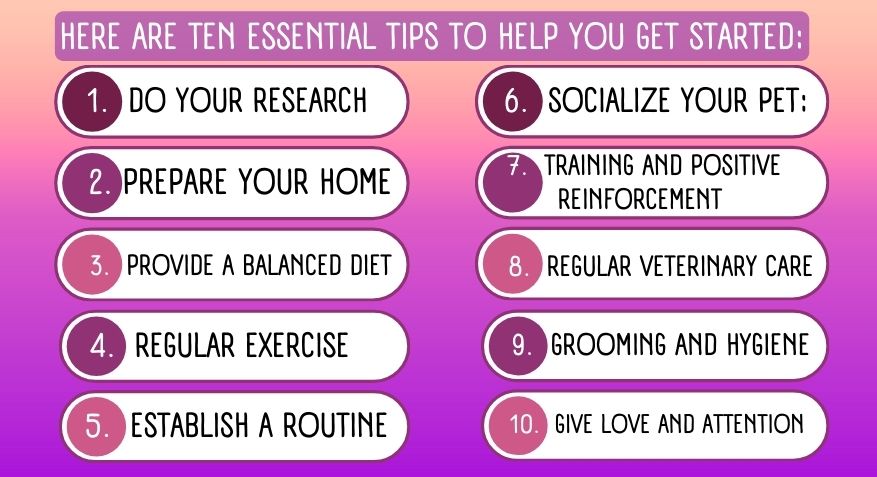
Congratulations on becoming a new pet owner! Taking care of a pet can be a rewarding and fulfilling experience. Here are ten essential tips to help you get started:


  1. Do your research: Before bringing a pet home, learn about their specific needs, including diet, exercise, grooming, and veterinary care. Understand their temperament and any potential health issues common to their breed.


  1. Prepare your home: Create a safe and comfortable environment for your new pet. Remove any hazardous objects or toxic substances from their reach, secure loose wires, and set up a designated space with their bed, food and water bowls, and toys.


  1. Provide a balanced diet: Feed your pet a nutritionally balanced diet appropriate for their species, age, and size. Consult your veterinarian for recommendations on the best type and amount of food for your pet.


  1. Regular exercise: All pets need physical activity to stay healthy and happy. Engage your pet in regular exercise, such as walks, playtime, or interactive toys. The amount and type of exercise will vary depending on your pet’s breed and age.


  1. Establish a routine: Pets thrive on routine, so establish a consistent schedule for feeding, exercise, and potty breaks. Regular routines help reduce stress and provide structure for your pet’s day-to-day life.


  1. Socialize your pet: Introduce your pet to various people, animals, and environments to help them become well-adjusted. Proper socialization can prevent behavioral problems and make your pet more comfortable in different situations.


  1. Training and positive reinforcement: Teach your pet basic commands and appropriate behaviors using positive reinforcement techniques, such as treats, praise, and rewards. Consistency and patience are key when training your pet.


  1. Regular veterinary care: Schedule regular check-ups with a veterinarian to monitor your pet’s health, vaccinations, and preventative treatments for fleas, ticks, and other parasites. Promptly address any health concerns or changes in behavior.


  1. Grooming and hygiene: Maintain your pet’s hygiene by regularly brushing their fur, trimming their nails, and cleaning their ears and teeth. Follow grooming practices suitable for your specific pet to keep them clean and healthy.


  1. Give love and attention: Pets need love, attention, and companionship. Spend quality time bonding with your pet through play, cuddling, and gentle petting. This strengthens your relationship and helps your pet feel secure and loved.


Remember, each pet is unique, so adjust these tips to suit the needs and characteristics of your specific pet. Enjoy the journey of being a pet owner and cherish the wonderful moments you’ll share with your new furry friend!


You may also visit – https://www.facebook.com/angkopparasahayop
Read More
13 Jun
0

How to Calm a Cat: Tips and Advice

How to Calm a Cat: Tips and Advice

Cats can sometimes become anxious, stressed, or agitated, and it’s important to know how to calm them down. Here are some tips and advice to help you calm your cat:


Create a Safe Environment: Make sure your cat has a quiet, secure space where they can retreat when they feel stressed. Provide hiding spots like cat trees, boxes, or blankets.


Gentle Physical Contact: Many cats find comfort in gentle physical contact. Try petting your cat softly and see how they respond. Be mindful of their body language and stop if they show signs of discomfort.


Provide a Routine: Cats are creatures of habit and appreciate a predictable routine. Feed them at the same time each day, play with them regularly, and provide a consistent environment.


Establish a Playtime Routine: Engaging your cat in interactive play sessions can help reduce their stress and anxiety. Use toys that simulate hunting, such as wand toys or toys that dispense treats.


Use Soothing Sounds: Some cats find soothing sounds, like classical music or nature sounds, comforting. Play these sounds softly in the background to create a calming environment.


Provide Vertical Space: Cats feel safer when they have high vantage points. Consider providing cat shelves, perches, or tall cat trees so they can climb and observe their surroundings.


Avoid Sudden Changes: Cats are sensitive to changes in their environment. Try to minimize sudden changes in their routine, furniture arrangement, or household dynamics.


Consider Cat Calming Products: There are various cat-calming products available, such as herbal remedies, treats, or supplements. Consult your veterinarian to find a suitable option for your cat.


Stay Calm Yourself: Cats are intuitive and can pick up on their owner’s emotions. Try to remain calm and composed when interacting with your cat to help create a relaxing atmosphere.


Remember, each cat is unique, and what works for one may not work for another. If your cat’s stress or anxiety persists or worsens, it’s always best to consult with a veterinarian for further guidance and support.


You may also visit – https://www.facebook.com/angkopparasahayop

Read More
09 Jun
0

Celebrating Philippine Independence Day with Your Furry Companions

Celebrating Philippine Independence Day with Your Furry Companions

As Filipinos come together to celebrate Philippine Independence Day, it’s essential to include our beloved furry companions in the festivities. Our pets, whether cats or dogs, hold a special place in our hearts and deserve to be part of the commemoration of freedom and national pride. In this article, we will explore various ways to celebrate Philippine Independence Day with our pets, highlighting activities, treats, and safety tips to ensure a joyous and memorable experience for both you and your furry friends.


Dressing Up in Patriotic Pet Gear:

Get your pets ready for the occasion by dressing them up in adorable patriotic-themed outfits. From bandanas and bowties to complete costumes, there are plenty of options available that showcase the colors and symbols of the Philippine flag. Just make sure the attire is comfortable for your pets and does not restrict their movement or cause any discomfort.


Pet-Friendly Parades and Gatherings:

Many cities and communities organize parades, gatherings, and events to celebrate Philippine Independence Day. Check if there are any pet-friendly activities in your area and bring your furry friends along. This can be a great opportunity for your pets to socialize with other animals and for you to meet fellow pet lovers.


Philippine-Inspired Treats:

Treat your pets to some special homemade treats inspired by Filipino cuisine. For dogs, you can make a batch of delicious adobo-flavored dog biscuits or sweet potato and coconut treats. Cats can enjoy fish-flavored treats or small pieces of cooked chicken. Remember to use pet-friendly ingredients and avoid any foods that may be harmful to them, such as chocolate, onions, or excessive salt.


Capture the Moment:

Take some memorable photographs or videos of your pets celebrating Independence Day. Dress them up in their patriotic gear and capture their adorable moments. You can share these photos on social media with the appropriate hashtags to spread the joy and celebrate with fellow pet owners.


Indoor Games and Activities:

If your pets are more comfortable indoors, engage them in fun games and activities to celebrate the day. Hide treats around the house for them to find or teach them new tricks that reflect the spirit of independence. You can also set up an obstacle course or play interactive games with toys to keep them mentally stimulated and entertained.


Pet Safety during Fireworks:

Fireworks are often a highlight of Independence Day celebrations, but the loud noises can be stressful and frightening for our furry friends. Ensure your pets are in a safe and secure environment, preferably indoors, during the fireworks display. Create a comfortable and quiet space for them with their favorite toys, blankets, and soothing music to help drown out the noise. Consider using calming aids like pheromone sprays or anxiety wraps to help alleviate their stress.


On Philippine Independence Day, let’s remember that our pets are part of our families and deserve to share in the joy of celebration. By incorporating them into the festivities, we can create lasting memories and strengthen the bond between us and our furry companions. Whether it’s dressing them up in patriotic gear, enjoying pet-friendly activities, or ensuring their safety during fireworks, let’s make this day a memorable and inclusive experience for all. Happy Independence Day to our beloved pets and fellow pet owners!


You may also visit – https://www.facebook.com/angkopparasahayop


Read More
09 Jun
0

Signs of Sick Cats and Dogs

Signs of Sick Cats and Dogs

Signs of illness in cats and dogs can vary depending on the specific condition, but there are some common signs that may indicate your pet is sick. It’s important to note that these signs are general and not definitive proof of illness. If you notice any of the following signs, it is recommended to consult with a veterinarian for a proper diagnosis and treatment:


Signs of illness in cats:


  1. Changes in appetite: Decreased or increased appetite, refusal to eat, or sudden weight loss can indicate an underlying health issue.


  1. Changes in water consumption: Increased or decreased thirst and urination can be signs of various conditions, including kidney disease or diabetes.


  1. Lethargy: Unusual or excessive tiredness, lack of energy, or reduced interest in normal activities may indicate an underlying problem.


  1. Changes in litter box habits: Difficulty urinating or defecating, frequent or prolonged visits to the litter box, or blood in the urine or feces may be signs of urinary tract issues, constipation, or other gastrointestinal problems.


  1. Vomiting or diarrhea: Occasional vomiting or diarrhea can occur in healthy cats, but persistent or severe episodes, especially with additional symptoms, may indicate an illness.


  1. Respiratory issues: Frequent coughing, sneezing, wheezing, or difficulty breathing could be signs of respiratory infections, allergies, or other respiratory conditions.


  1. Changes in grooming habits: Decreased grooming, unkempt fur, or excessive scratching and licking may indicate discomfort or underlying skin issues.


  1. Changes in behavior: Aggression, hiding, excessive vocalization, or other noticeable changes in behavior may indicate pain, anxiety, or illness.


  1. Eye or nose discharge: Unusual or persistent discharge from the eyes or nose could indicate an infection or other underlying problem.


  1. Visible physical abnormalities: Swellings, lumps, sores, or any other noticeable physical abnormalities should be checked by a veterinarian.


Signs of illness in dogs:


  1. Loss of appetite: Decreased interest in food, sudden weight loss, or refusal to eat may indicate an underlying health issue.


  1. Lethargy: Unusual tiredness, lack of energy, or reluctance to engage in usual activities can be signs of illness.


  1. Changes in water consumption: Increased or decreased thirst and urination can be indicators of various health conditions, including kidney disease or diabetes.


  1. Vomiting or diarrhea: Persistent or severe episodes of vomiting or diarrhea, especially when accompanied by other symptoms, may indicate an illness.


  1. Respiratory issues: Coughing, sneezing, wheezing, or difficulty breathing could be signs of respiratory infections, allergies, heart problems, or other conditions.


  1. Changes in mobility: Difficulty in walking, stiffness, limping, or reluctance to exercise may indicate joint or musculoskeletal issues.


  1. Changes in behavior: Uncharacteristic aggression, anxiety, restlessness, or changes in sleep patterns can be signs of pain, discomfort, or illness.


  1. Skin and coat changes: Excessive itching, hair loss, redness, rashes, or any other abnormalities on the skin and coat may indicate an underlying issue.


  1. Ear problems: Frequent scratching or shaking of the head, discharge from the ears, or foul odor could indicate ear infections or other ear-related issues.


  1. Visible physical abnormalities: Swellings, lumps, wounds, or any other visible physical abnormalities should be examined by a veterinarian.


Remember, these signs are not exclusive to any particular condition, and a proper veterinary examination is crucial for an accurate diagnosis and appropriate treatment.


You may also visit – https://www.facebook.com/angkopparasahayop

Read More
09 Jun
0

WHAT YOUR DOG LOVES

WHAT YOUR DOG LOVES

Our faithful companions, with their wagging tails and soulful eyes, have been by our side through thick and thin, offering unwavering loyalty and unconditional love. Dogs, as our cherished companions, possess an innate ability to understand us and connect on a profound level. Yet, have we ever paused to ponder the true desires that lie within their hearts?

In this article, we embark on a captivating journey into the psyche of our beloved canines.  What makes a dog’s tail wag with joy, and what ignites the spark of contentment in their eyes.

By understanding their desires, we can forge stronger bonds, cultivate harmonious relationships, and enhance the quality of life for both humans and dogs alike.

Playtime: Dogs love to play! Whether it’s fetching a ball, playing tug-of-war, or chasing after a squeaky toy, playtime is one of the things that dogs truly enjoy. It helps them burn off energy, stimulates their minds, and strengthens the bond between them and their human companions.


Affection: Dogs are known for their unconditional love and affection towards their human family. They enjoy being petted, cuddled, and receiving belly rubs. Physical touch is a way for dogs to feel comforted and loved, and it strengthens the emotional bond between them and their owners.

Food: Dogs are notorious food lovers! They eagerly anticipate mealtime and often get excited when treats are involved. Dogs have a keen sense of smell and taste, and they thoroughly enjoy the experience of eating delicious food. Offering them tasty treats or their favorite meals can be a surefire way to make them happy.

Outdoor adventures: Dogs love exploring the great outdoors! Going for walks, hikes, or runs in the park, playing in the water, or simply sniffing around and investigating their surroundings are all activities that dogs typically enjoy. Being in nature stimulates their senses and allows them to engage their natural instincts.


You may also visit – https://www.facebook.com/angkopparasahayop

Read More