Blog

17 Jul
0

How to Introduce a New Pet to Your Existing Fur Family

How to Introduce a New Pet to Your Existing Fur Family

Introducing a new pet to your existing fur family can be a delicate process, as it involves managing the dynamics and emotions of your current pets while helping the newcomer feel safe and welcomed. Whether you’re introducing a new dog, cat, or another type of pet, here are some steps to follow for a smooth transition:


Choose the right time: Ensure that you have enough time and patience to devote to the introduction process. Avoid bringing in a new pet during particularly stressful periods or when your current pets are facing major changes.


Consider compatibility: Before getting a new pet, research and choose a companion that is likely to be compatible with your existing pets in terms of age, size, energy level, and temperament. This will increase the chances of a successful introduction.


Prepare separate spaces: Set up a designated space for the new pet where they can feel secure and away from the existing pets initially. Provide all necessary supplies, such as food, water, bedding, and toys, to make them feel at home.


Gradual introduction: Start by allowing your existing pets to sniff and explore the scent of the new pet without direct physical contact. This can be done by swapping bedding or using a baby gate or a pet crate.


Controlled meetings: Once both sets of animals are familiar with each other’s scent, you can begin controlled meetings in a neutral territory, like a park or a quiet room. Keep dogs on leashes and ensure cats are in carriers during these initial introductions.


Observe body language: Pay close attention to the body language of all pets during these meetings. Look for signs of stress, aggression, fear, or playfulness. If any signs of tension are observed, separate the pets and try again later.


Positive reinforcement: Reward good behavior with treats, praise, and affection for both the new pet and the existing ones. This will help create positive associations with each other’s presence.


Gradual integration: Over time, gradually increase the duration of supervised interactions between the pets. If things go well, you can start allowing them to interact off-leash or out of their carriers in a controlled environment.


Supervision and safety: Continue to supervise all interactions until you are confident that the pets can coexist peacefully without any issues. Be patient, as the process might take days or even weeks, depending on the animals involved.


Maintain routines: Throughout the introduction process, try to maintain the routines and attention you give to your existing pets. This will reassure them that they are still loved and valued.


Remember, every pet is unique, and the introduction process may vary depending on their personalities and histories. Always prioritize safety and the well-being of all animals involved. If you encounter significant difficulties or signs of aggression, consider seeking guidance from a professional animal behaviorist or trainer to address any issues appropriately.


You may also visit – https://www.facebook.com/angkopparasahayop

Read More
17 Jul
0

Guide to Understanding Your Cat

Guide to Understanding Your Cat

Understanding your cat can be a rewarding and fulfilling experience. Cats are mysterious creatures with unique behaviors and communication styles.

Here’s a definitive guide to help you understand your feline friend better:


Body Language: Cats communicate primarily through body language. Pay attention to their ears, tail, and posture to understand their emotions.

Ears: Forward or slightly sideways indicate curiosity or friendliness. Flattened against the head might mean fear or aggression.

Tail: A high, straight tail shows confidence and happiness. A puffed-up tail signals fear or agitation.

Posture: Relaxed and rolled over usually means contentment, while a defensive stance indicates fear or discomfort.

Purring: Cats purr for various reasons, not just when they’re content. They may also purr when they’re anxious, in pain, or to self-soothe.

Kneading: When cats knead their paws, it harks back to their kittenhood when they kneaded their mother’s belly to stimulate milk flow. It’s a sign of comfort and security.

Grooming: Cats groom themselves to keep clean, but they also do it to show affection and to establish social bonds. If your cat grooms you, it’s a sign of trust and friendship.

Blinking: Slow blinking at your cat is a way of showing affection and trust. Try blinking slowly at your cat; if they return the gesture, it’s a sign they trust you.

Vocalizations: Cats meow to communicate with humans, not with each other. Each meow might have a different meaning, such as hunger, boredom, or attention-seeking.

Scratching: Cats scratch to mark territory, maintain claw health, and stretch their muscles. Provide appropriate scratching posts to prevent them from damaging furniture.

Bringing Gifts: Cats might bring you “gifts” like dead prey. This behavior is rooted in their natural hunting instincts and is a display of trust and caring.


Playtime: Engage in regular interactive play with your cat using toys like strings, laser pointers, or feathers. It’s essential for their physical and mental well-being.

Hiding Behavior: Cats often hide when they feel unwell or stressed. It’s their way of protecting themselves from perceived threats.

Litter Box Behavior: Sudden changes in litter box habits might indicate health issues. Keep an eye on their bathroom routines and consult a vet if there are significant changes.

Vertical Space: Cats love climbing and perching in high places. Providing vertical space, like cat trees or shelves, allows them to feel safe and in control of their environment.

Scent Marking: Cats have scent glands in various parts of their bodies, and they use scent marking to establish territory and communicate with other cats.

Cat Body Heat: Cats have a higher body temperature than humans, typically around 100-102°F (37.7-38.8°C).

Sleep Patterns: Cats are crepuscular, meaning they are most active during dawn and dusk. They may sleep up to 15 hours a day.

Remember, each cat is an individual with its own personality and preferences. Spend time observing and interacting with your cat to develop a deeper understanding of their unique behaviors and needs. This will strengthen the bond between you and your feline companion.


You may also visit – https://www.facebook.com/angkopparasahayop

Read More
11 Jul
0

Understanding Pet Nutrition: The Importance of a Balanced Diet

Understanding Pet Nutrition: The Importance of a Balanced Diet

A balanced diet is crucial for maintaining the overall health and well-being of pets. Just like humans, animals require a proper balance of essential nutrients to support their growth, development, and overall bodily functions. Understanding the importance of a balanced diet can help pet owners make informed decisions about their pets’ nutrition.


Here are some key points highlighting the significance of a balanced diet for pets:


Essential Nutrients: Pets need a variety of essential nutrients, including proteins, carbohydrates, fats, vitamins, and minerals. These nutrients serve specific functions in the body and are necessary for various bodily processes such as energy production, immune system function, muscle development, and maintenance of healthy skin and coat.


Energy Requirements: Different pets have varying energy requirements based on factors such as age, size, activity level, and overall health. A balanced diet provides the necessary calories to meet these energy requirements while avoiding excessive weight gain or loss.


Protein: Protein is essential for tissue growth and repair, enzyme production, and hormone synthesis. High-quality animal-based proteins are particularly important for dogs and cats as they are considered obligate carnivores. However, the specific protein requirements may vary depending on the species, age, and health condition of the pet.


Carbohydrates: While dogs and cats are primarily carnivorous, they can also benefit from carbohydrates in their diet. Carbohydrates provide a source of energy and can aid in digestion. However, the type and quantity of carbohydrates should be carefully chosen to avoid excessive intake, especially for pets with specific health conditions like diabetes or allergies.


Fats: Fats are a concentrated source of energy and help with the absorption of fat-soluble vitamins. They also contribute to maintaining healthy skin and a shiny coat. However, it’s important to provide the right balance of omega-3 and omega-6 fatty acids, as an imbalance can lead to inflammation and other health issues.


Vitamins and Minerals: Vitamins and minerals play crucial roles in maintaining proper physiological function, supporting the immune system, and promoting overall health. Each vitamin and mineral has specific functions and requirements, and a balanced diet should include a variety of nutrient sources to ensure adequate intake.


Water: Water is often overlooked but is a vital nutrient for pets. It aids in digestion, nutrient absorption, waste elimination, and temperature regulation. Always ensure your pets have access to fresh, clean water throughout the day.


Individual Needs: Individual pets may have specific dietary needs based on factors such as age, breed, size, health conditions, and reproductive status. Puppies, kittens, senior pets, and pregnant or nursing animals may require modified diets to address their unique nutritional requirements.


Health Considerations: A balanced diet can help prevent various health issues, such as obesity, malnutrition, dental problems, and certain diseases. It can also support the management of existing health conditions, such as diabetes, allergies, or kidney disease. In some cases, specialized diets formulated for specific health conditions may be recommended by veterinarians.


Professional Guidance: Consulting with a veterinarian or a veterinary nutritionist is highly recommended to ensure that pets receive a nutritionally balanced diet. These professionals can provide personalized dietary recommendations based on the specific needs of your pet.


In conclusion, a balanced diet is essential for maintaining the overall health, vitality, and longevity of pets. Providing the right combination and quantity of essential nutrients through a well-balanced diet is key to supporting optimal pet nutrition.


You may also visit – https://www.facebook.com/angkopparasahayop

Read More
11 Jul
0

Sustainable Pet Ownership: Eco-friendly and Ethical Choices

Sustainable Pet Ownership: Eco-friendly and Ethical Choices

As our awareness of environmental issues continues to grow, it is crucial to extend our sustainable practices to all aspects of our lives, including pet ownership. Sustainable pet ownership encompasses making eco-friendly and ethical choices that not only benefit our furry companions but also minimize our environmental impact. By adopting a few simple changes, pet owners can contribute to a healthier planet while ensuring the well-being of their beloved pets.


Adopt, Don’t Shop:

The first step towards sustainable pet ownership is choosing adoption over buying from pet stores or breeders. Animal shelters and rescue organizations are filled with loving animals in need of a forever home. By adopting, you provide a second chance to an animal in need and reduce the demand for breeding, which can lead to overpopulation and subsequent environmental concerns.


Spay or Neuter:

One of the most responsible choices pet owners can make is spaying or neutering their pets. This procedure helps control the population of stray animals and reduces the strain on resources required to care for them. Additionally, spaying or neutering your pet can prevent certain health issues and unwanted behaviors, contributing to their overall well-being.


Eco-friendly Pet Products:

When it comes to pet products, opting for eco-friendly alternatives can significantly reduce your environmental footprint. Choose pet supplies made from sustainable materials, such as bamboo, hemp, or organic cotton. Look for biodegradable poop bags or consider composting pet waste instead of throwing it in the trash. Additionally, select natural and chemical-free grooming products to minimize the release of harmful substances into the environment.


Sustainable Diet:

The pet food industry is not exempt from sustainability concerns. Look for pet food brands that prioritize ethical sourcing, use organic ingredients, and minimize packaging waste. Consider preparing homemade pet meals using locally sourced, organic ingredients when possible. Consult with your veterinarian to ensure your pet’s diet is nutritionally balanced.


Reduce Plastic Waste:

Plastic waste poses a significant threat to the environment. Minimize the use of plastic in your pet’s life by opting for stainless steel or ceramic food and water bowls instead of plastic ones. Choose toys made from natural materials like rubber or sustainably sourced wood, avoiding plastic-based toys that can end up in landfills or oceans.


Eco-conscious Waste Management:

Proper waste management is essential for sustainable pet ownership. When walking your pet, carry reusable bags to clean up after them. Dispose of waste in designated bins and consider composting pet waste in your backyard, following proper guidelines. By composting, you reduce the amount of waste going to landfills and contribute to soil enrichment.


Support Sustainable Brands:

Support companies and brands that are committed to sustainable practices and animal welfare. Look for certifications like Certified B Corporations, cruelty-free logos, or organic certifications. By investing in products from these brands, you encourage sustainable practices throughout the pet industry.


Sustainable pet ownership involves making conscious choices that prioritize both the well-being of our pets and the environment. By adopting, spaying or neutering, using eco-friendly products, providing a sustainable diet, reducing plastic waste, managing waste responsibly, and supporting sustainable brands, pet owners can play their part in creating a more eco-friendly and ethical world. Let us strive to be responsible stewards for our beloved pets while caring for the planet we all call home.


You may also visit – https://www.facebook.com/angkopparasahayop

Read More
10 Jul
0

Pet-Friendly Outdoor Activities: Fun Ways to Bond with Your Pet

Pet-Friendly Outdoor Activities: Fun Ways to Bond with Your Pet

Bonding with your pet through outdoor activities is a wonderful way to strengthen your relationship and provide them with mental and physical stimulation. Here are some pet-friendly outdoor activities that you and your furry friend can enjoy together:


  1. Walking or Hiking: Going for regular walks or hikes is an excellent way to exercise your pet and explore the outdoors. Make sure to choose trails or parks that allow dogs and keep them on a leash for safety. Remember to bring water and clean up after your pet.


  1. Dog Parks: Visit local dog parks where your pet can socialize with other dogs and burn off energy. These parks often have fenced-in areas for off-leash play, agility courses, and obstacles for added fun.


  1. Beach or Lake Trips: If your pet enjoys water, take them to a pet-friendly beach or lake for a swim. Check if the area allows dogs and be mindful of their swimming abilities and any safety precautions needed.


  1. Outdoor Cafes or Restaurants: Many outdoor cafes or restaurants have pet-friendly seating areas where you can enjoy a meal or a cup of coffee with your furry friend by your side. Ensure that the establishment allows pets and that your pet is well-behaved and comfortable in social settings.


  1. Frisbee or Fetch: Playing frisbee or fetch is a classic outdoor activity that can provide your pet with exercise and mental stimulation. Find an open space such as a park or your backyard, and throw a frisbee or a ball for your pet to chase and retrieve.


  1. Jogging or Running: If you’re a runner, consider taking your pet along for a jog or run. Start slow and gradually increase the distance to match your pet’s fitness level. Ensure that your pet is healthy and capable of handling the exercise.


  1. Camping or Backpacking: If you enjoy camping or backpacking, bring your pet along for an outdoor adventure. Choose pet-friendly campsites and trails, and make sure your pet is comfortable with new environments and can handle the physical demands of the trip.


  1. Outdoor Training or Agility: Engage your pet’s mind and body through outdoor training sessions or agility courses. Teach them new commands, practice obedience training, or set up an obstacle course using items like cones, tunnels, and jumps.


  1. Bike Rides: Some dogs, particularly larger breeds, can keep up with you during a bike ride. Invest in a pet bicycle attachment or a bike trailer, and take your furry friend along for a ride while enjoying the sights and sounds of your neighborhood or local trails.


  1. Picnics and Nature Walks: Enjoy a picnic in a park or nature reserve while taking a leisurely walk with your pet. Allow them to explore new scents and sights, and find a comfortable spot to relax and enjoy each other’s company.


Remember, it’s essential to consider your pet’s physical capabilities, temperament, and any health restrictions before engaging in outdoor activities. Always prioritize their safety and well-being, and be respectful of the rules and regulations of the outdoor spaces you visit.

Read More
06 Jul
0

COMMON PET DISEASES ON RAINY DAYS

COMMON PET DISEASES ON RAINY DAYS

Rainy days can pose certain risks to pets, including increased exposure to certain diseases and health conditions. Here are some common pet diseases or conditions that may be more prevalent during rainy weather:


Kennel Cough

Rainy days often result in pets spending more time indoors or in crowded places like boarding kennels, which can increase the risk of contracting kennel cough. It is a highly contagious respiratory infection characterized by coughing, sneezing, and nasal discharge.


Leptospirosis

Leptospirosis is a bacterial infection that spreads through contact with water or soil contaminated by the urine of infected animals, such as rats. Rainy weather can create ideal conditions for the bacteria to thrive. Dogs are particularly susceptible to leptospirosis, and symptoms may include fever, vomiting, diarrhea, and lethargy.


Fungal Infections

Increased moisture from rain can promote the growth of fungi, leading to skin infections in pets. For example, ringworm, a common fungal infection in pets, can be more prevalent during rainy seasons. It causes circular patches of hair loss, redness, and itching.


Parasitic Infections

Rainy weather can create an environment that is conducive to the proliferation of parasites. Fleas, ticks, and mosquitoes thrive in humid conditions, increasing the risk of flea infestations, tick-borne diseases (such as Lyme disease), and mosquito-borne illnesses (such as heartworm disease).


Gastrointestinal Upsets

Pets may inadvertently ingest contaminated water or consume items washed up during heavy rains, leading to gastrointestinal issues like vomiting and diarrhea. Bacterial or viral infections can also spread more easily in wet environments.


It’s important to note that while these conditions may be more common during rainy weather, they can occur at any time of the year. Maintaining regular veterinary care, practicing good hygiene, and protecting your pet against parasites are key steps in preventing these diseases. If you notice any concerning symptoms in your pet, it’s best to consult with a veterinarian for proper diagnosis and treatment.


You may also visit – https://www.facebook.com/angkopparasahayop

Read More
05 Jul
0

Rabies on Rainy Days

Rabies on Rainy Days

Rabies is a viral disease that affects mammals, including humans. It is primarily transmitted through the saliva of infected animals, usually through a bite or scratch. While the transmission of rabies can occur at any time of the year, certain factors, such as rainy days, can influence the prevalence and spread of the disease. Here are a few points to consider regarding rabies and rainy days:


Animal behavior

Rainy weather can affect the behavior of animals, including those infected with rabies. Some animals may seek shelter during rainy days, reducing their interaction with humans and other animals. However, other species, such as bats, may become more active during wet weather. Bats are known carriers of the rabies virus, so it’s important to exercise caution when dealing with them, regardless of the weather.


Encounters with animals

During rainy days, there may be an increased likelihood of encounters with wildlife seeking shelter or displaced due to flooding. It’s crucial to avoid approaching or handling any wild animals, as they could potentially be infected with rabies. If you come across an animal that seems sick, disoriented, aggressive, or exhibits other unusual behavior, it is best to contact your local animal control or health authorities for assistance.


Stray animals

Rainy weather can drive stray animals, including stray dogs and cats, to seek refuge in various locations. Stray animals may have a higher risk of carrying rabies, especially in regions where the disease is prevalent. It is important to avoid direct contact with stray animals and report their presence to local animal control or authorities.


Human behavior

Rainy days can affect human behavior as well. People may spend more time indoors or take different routes to avoid getting wet. However, it is still possible to come into contact with infected animals, even during rainy weather. It’s important to maintain awareness of your surroundings and take necessary precautions, such as avoiding contact with unfamiliar animals and vaccinating pets against rabies.


Regardless of the weather conditions, it is always advisable to follow general guidelines for preventing rabies: vaccinate pets, avoid contact with stray or wild animals, report any unusual animal behavior to the relevant authorities, and seek immediate medical attention if you have been bitten or scratched by an animal, especially if it is showing signs of rabies.


You may also visit – https://www.facebook.com/angkopparasahayop


Read More
04 Jul
0

Better Care for Your Pet in Wet Weather

Better Care for Your Pet in Wet Weather

Taking care of your pet during rainy days requires some extra attention and precautions to ensure their comfort and safety. Here are some tips to help you take care of your pet during rainy days:

Provide a cozy shelter: Make sure your pet has a warm and dry place to retreat to, such as a covered porch, doghouse, or a comfortable spot inside the house. Ensure that the shelter is well-insulated and protected from drafts.


Keep them indoors: If the rain is heavy or accompanied by thunderstorms, it’s best to keep your pet indoors. Create a comfortable and safe space for them, with access to food, water, and their bed or a soft blanket.


Use waterproof gear: If your pet needs to go outside during the rain, consider using a waterproof jacket or raincoat to keep them dry. For dogs, you can also use booties to protect their paws from getting wet and muddy.


Wipe them dry: When your pet comes indoors after being outside in the rain, make sure to wipe them dry with a towel. Pay attention to their paws, belly, and ears, as these areas tend to get damp and can lead to discomfort or infection if not dried properly.


Avoid wet areas: During walks or outdoor playtime, try to steer clear of puddles or wet areas that could make your pet muddy or increase their exposure to water. Stick to covered areas or use a rainproof umbrella or raincoat to keep them dry.


Protect against cold: Rainy weather is often accompanied by a drop in temperature. If it’s chilly outside, consider providing your pet with an extra layer of warmth, such as a sweater or blanket.


Maintain exercise and mental stimulation: Pets still need exercise and mental stimulation even on rainy days. Engage them in indoor activities like playing with interactive toys, practicing obedience training, or teaching them new tricks. You can also use puzzle toys or treat-dispensing toys to keep them mentally stimulated.


Keep them entertained: If your pet gets bored or anxious during rainy days, provide them with entertainment options. Consider leaving on some calming music, providing chew toys or puzzle toys, or using food-dispensing toys to keep them occupied.


Maintain hygiene: The wet and muddy conditions during rainy days can increase the risk of skin infections or parasites. Regularly check your pet for any signs of skin irritation, keep their bedding clean and dry, and ensure they have regular baths when necessary.


Watch out for hazards: Be mindful of potential hazards during rainy weather, such as slippery surfaces, road puddles with contaminants, or flooding in certain areas. Keep your pet away from such hazards to avoid accidents or health risks.


Remember, each pet is unique, so adapt these tips to suit your pet’s specific needs. If you have any concerns or your pet shows signs of discomfort or illness, consult your veterinarian for professional advice.


You may also visit – https://www.facebook.com/angkopparasahayop

Read More
29 Jun
0

Creating a Pet First Aid Kit: Be Prepared for Emergencies

Creating a Pet First Aid Kit: Be Prepared for Emergencies

Creating a pet first aid kit is an excellent way to be prepared for emergencies and ensure you can provide immediate care to your beloved pet when needed. Here’s a list of essential items to include in your pet first aid kit:

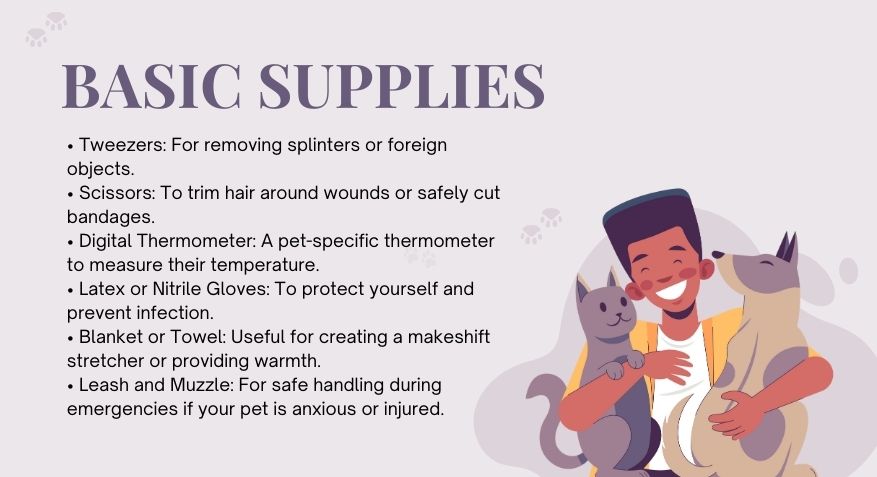
Basic Supplies:


  • Tweezers: For removing splinters or foreign objects.
  • Scissors: To trim hair around wounds or safely cut bandages.
  • Digital Thermometer: A pet-specific thermometer to measure their temperature.
  • Latex or Nitrile Gloves: To protect yourself and prevent infection.
  • Blanket or Towel: Useful for creating a makeshift stretcher or providing warmth.
  • Leash and Muzzle: For safe handling during emergencies if your pet is anxious or injured.


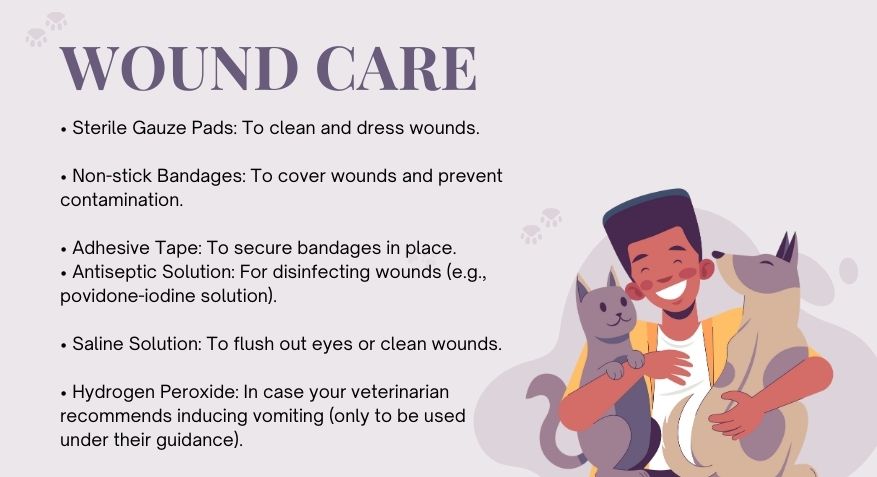
Wound Care:

  • Sterile Gauze Pads: To clean and dress wounds.
  • Non-stick Bandages: To cover wounds and prevent contamination.
  • Adhesive Tape: To secure bandages in place.
  • Antiseptic Solution: For disinfecting wounds (e.g., povidone-iodine solution).
  • Saline Solution: To flush out eyes or clean wounds.
  • Hydrogen Peroxide: In case your veterinarian recommends inducing vomiting (only to be used under their guidance).


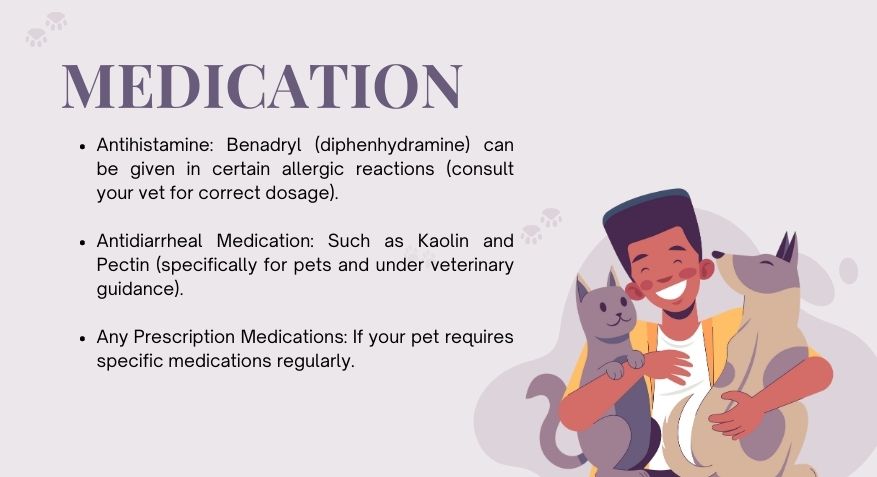
Medications:

  • Antihistamine: Benadryl (diphenhydramine) can be given in certain allergic reactions (consult your vet for correct dosage).
  • Antidiarrheal Medication: Such as Kaolin and Pectin (specifically for pets and under veterinary guidance).
  • Any Prescription Medications: If your pet requires specific medications regularly.


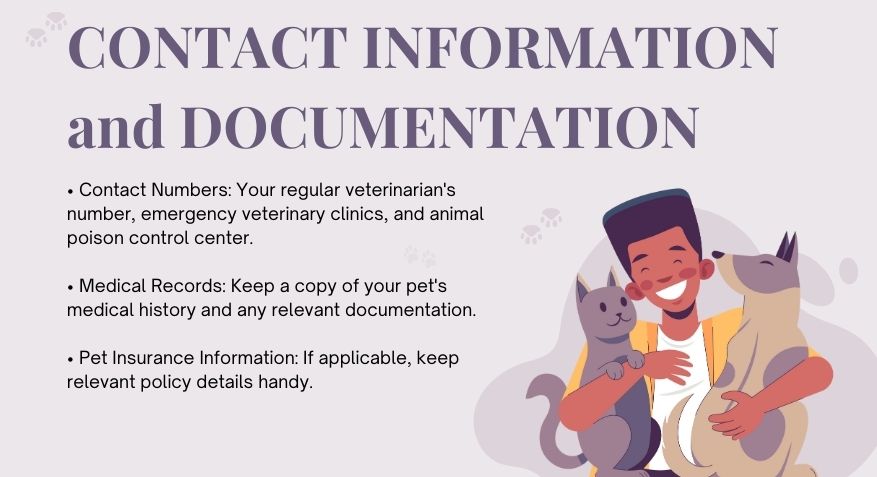
Contact Information and Documentation:

  • Contact Numbers: Your regular veterinarian’s number, emergency veterinary clinics, and animal poison control center.
  • Medical Records: Keep a copy of your pet’s medical history and any relevant documentation.
  • Pet Insurance Information: If applicable, keep relevant policy details handy.


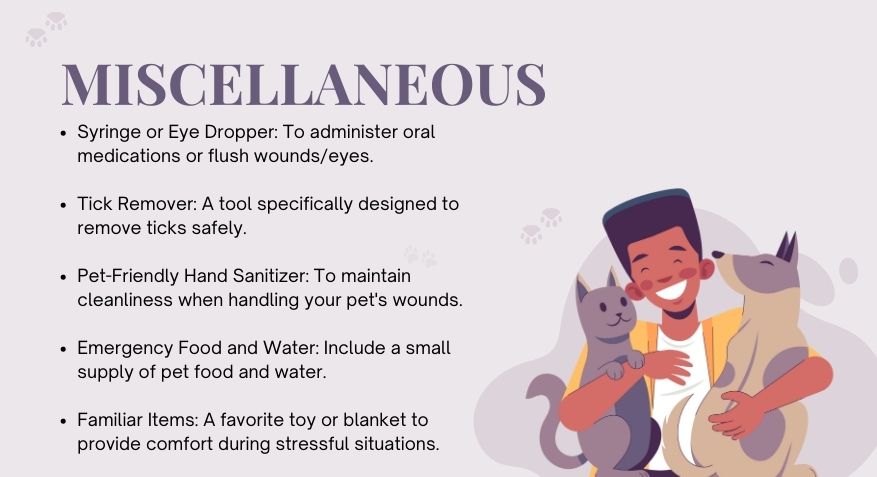
Miscellaneous:

  • Syringe or Eye Dropper: To administer oral medications or flush wounds/eyes.
  • Tick Remover: A tool specifically designed to remove ticks safely.
  • Pet-Friendly Hand Sanitizer: To maintain cleanliness when handling your pet’s wounds.
  • Emergency Food and Water: Include a small supply of pet food and water.
  • Familiar Items: A favorite toy or blanket to provide comfort during stressful situations.


Remember to periodically check and replenish expired or used items in your pet first aid kit. Additionally, it’s crucial to consult with your veterinarian for specific recommendations tailored to your pet’s needs. They can provide guidance on appropriate usage of items and any additional supplies based on your pet’s health conditions or breed.


You may also visit – https://www.facebook.com/angkopparasahayop


Read More
28 Jun
0

Common Household Hazards for Pets: How to Keep Them Safe

Common Household Hazards for Pets: How to Keep Them Safe

Keeping your pets safe in the household is crucial for their well-being. Here are some common household hazards for pets and tips on how to keep them safe:


  1. Toxic Substances: Many common household items can be toxic to pets, including cleaning products, medications, certain plants, and foods like chocolate, grapes, and onions. Keep these items securely stored in cabinets or high shelves, out of your pet’s reach. Use pet-safe alternatives for cleaning, and be cautious when using chemicals around your pets.


  1. Electrical Cords: Pets, especially puppies and kittens, may chew on electrical cords, which can lead to electric shocks or burns. Keep cords concealed or secured with cord protectors to prevent access. Additionally, provide alternative chewing toys to redirect their attention.


  1. Household Chemicals: Chemicals such as bleach, detergents, and pesticides can pose a risk to your pets. Ensure these substances are stored in locked cabinets or placed out of reach. When using chemicals, keep your pets in a separate area until the area is completely safe.


  1. Open Doors and Windows: Pets can easily escape through open doors or windows. Install sturdy screens on windows and use baby gates or pet barriers to prevent access to potentially dangerous areas or the outdoors. Make sure your pet wears a collar with an identification tag or has a microchip in case they do get out.


  1. Human Medications: Keep all medications, including over-the-counter drugs and prescriptions, stored securely. Even small amounts of certain medications can be toxic to pets. If your pet ingests any medication, contact your veterinarian immediately.


  1. Sharp Objects: Keep sharp objects such as knives, scissors, and sewing needles stored safely, preferably in drawers or locked cabinets. Dispose of used blades or needles in a secure container.


  1. Small Objects: Pets can easily swallow small objects, leading to choking or intestinal blockages. Keep small items like coins, buttons, and jewelry off the floor and out of their reach. Regularly inspect the areas where your pet spends time to ensure there are no small objects that could be hazardous.


  1. Trash and Recycling: Secure your trash cans with tight-fitting lids or keep them in cabinets. Dispose of toxic or dangerous items properly, as they can be harmful if ingested by your pets.


  1. Hot Surfaces: Pets can accidentally burn themselves on hot surfaces like stovetops, radiators, or heated appliances. Use safety measures such as stove knob covers and radiator covers to prevent access to these areas.


  1. Open Flames: Pets are naturally curious, and open flames from candles, fireplaces, or stovetops can be hazardous. Never leave them unattended around open flames and consider using flameless alternatives, such as battery-operated candles or electric fireplaces.


  1. Strings and Ribbons: Cats, in particular, are attracted to strings, ribbons, and other linear objects. These can cause intestinal obstructions if ingested. Keep these items safely stored away and supervise playtime to prevent accidents.


  1. Heavy Furniture: Large furniture items like bookshelves or cabinets can tip over if a pet climbs or jumps on them. Secure furniture to the wall using brackets or anchors to prevent accidents.


Remember, regular pet-proofing and ongoing vigilance are essential for maintaining a safe environment for your furry friends. If you suspect your pet has ingested something toxic or is showing signs of distress, contact your veterinarian immediately for guidance and assistance.


You may also visit – https://www.facebook.com/angkopparasahayop
Read More