Blog

12 Mar
0

Practical Way to Ensure You’re Practicing Responsible Pet Ownership at Home

Practical Way to Ensure You’re Practicing Responsible Pet Ownership at Home

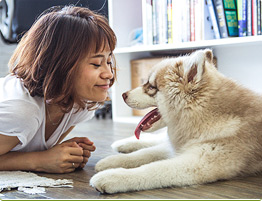
Welcoming a furry friend into your home comes with great joy and responsibility. Here are practical ways to ensure you’re practicing responsible pet ownership:

  1. Health First: Schedule regular veterinary check-ups, vaccinations, and dental care. A healthy pet is a happy pet!
  1. Balanced Nutrition: Provide a well-balanced diet suitable for your pet’s age, breed, and health needs. Consult your vet for dietary recommendations.
  1. Hydration Station: Always keep fresh water accessible. Hydration is key to your pet’s well-being.
  1. Safe Spaces: Create secure and comfortable spaces for your pet. Consider a cozy bed or designated corner for relaxation.
  1. Stimulating Play: Enrich your pet’s environment with engaging toys and playtime. Mental and physical stimulation are vital.
  1. Identification Matters: Ensure your pet wears proper identification. Microchipping adds an extra layer of security.
  1. Exercise Routine: Regular exercise is essential. Walks, play sessions, or a good romp in the yard keep your pet active and healthy.
  1. Grooming TLC: Regular grooming keeps your pet clean and comfortable. Brush fur, trim nails, and check ears for optimal hygiene.
  1. Training Time: Invest time in positive reinforcement training. A well-behaved pet makes for a harmonious home.
  1. Socialization Skills: Expose your pet to various environments, people, and animals to foster positive social skills.
  1. Emergency Preparedness: Have a pet emergency kit ready. Knowing basic first aid can be invaluable.
  1. Responsible Breeding Choices: If considering breeding, do so responsibly. Ensure your pet is in optimal health, and find suitable, loving homes for offspring.

Remember, responsible pet ownership creates a loving and thriving home for both you and your four-legged family member.


You may also visit โ€“ https://www.facebook.com/angkopparasahayop
Read More
06 Mar
0

Nurturing Responsible Pet Ownership Through Animal Rescues in the Philippines

Nurturing Responsible Pet Ownership Through Animal Rescues in the Philippines ๐Ÿพ

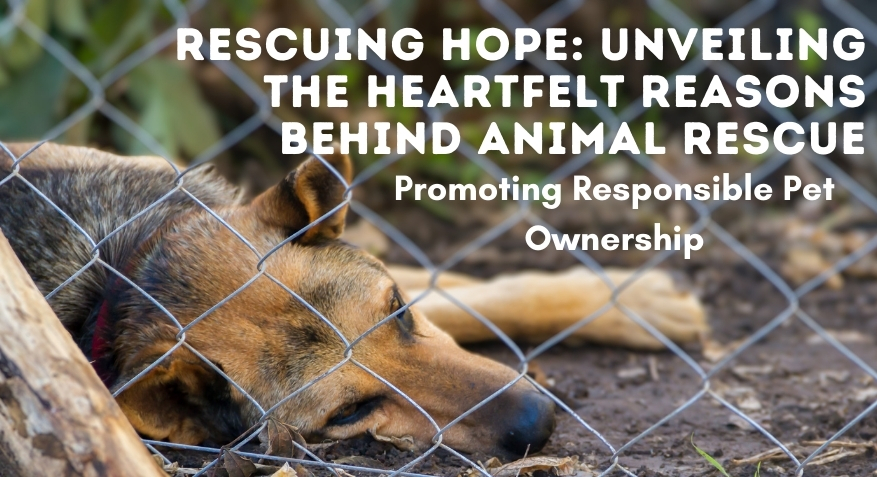
Animal rescues in the Philippines play a crucial role in promoting responsible pet ownership. Through education and outreach efforts, they advocate for spaying/neutering, vaccinations, proper shelter, and overall responsible care.

Here’s how these efforts contribute to building a compassionate and educated community:

  1. Adoption Over Purchase:

Rescues emphasize the importance of adopting pets instead of buying, encouraging individuals to give loving homes to animals in need. This promotes the idea that every animal deserves a chance, regardless of their background.

  1. Spaying and Neutering Advocacy:

To address the issue of overpopulation rescues actively advocate for spaying and neutering. By promoting these procedures, they contribute to controlling the number of stray animals and minimizing the burden on shelters.

  1. Educational Outreach:

Animal rescues engage in community education, offering valuable insights into proper pet care, nutrition, and health. Workshops and awareness campaigns help pet owners understand their responsibilities and provide the best possible care for their furry companions.

  1. Vaccination and Healthcare Guidance:

Rescues prioritize the health and well-being of animals. They guide essential vaccinations and healthcare practices, empowering pet owners to keep their companions happy and healthy.

  1. Behavior Training Support:

Understanding that well-behaved pets contribute to harmonious households, rescues offer guidance on behavior training. This ensures that adopted animals integrate seamlessly into their new homes, fostering a positive environment.

  1. Lifelong Commitment:

Rescues encourage a lifelong commitment to pets. Through thorough adoption processes, they strive to match animals with families that understand the responsibilities of pet ownership and are ready for a long-term commitment.

  1. Emergency Preparedness:

Educating pet owners on emergency preparedness is another crucial aspect. Rescues provide information on creating emergency kits, understanding evacuation plans, and ensuring the safety of pets during unforeseen circumstances.

  1. Microchipping and Identification:

To prevent lost pets and enhance responsible ownership, rescues promote microchipping and proper identification methods. This ensures a swift reunion in case a pet goes missing.

Animal rescues in the Philippines serve as beacons of knowledge, compassion, and advocacy for responsible pet ownership. Through these concerted efforts, we pave the way for a society where every pet receives the love, care, and commitment they deserve. ๐Ÿก๐Ÿพ


You may also visit โ€“ https://www.facebook.com/angkopparasahayop
Read More
06 Mar
0

Rescuing animals in the Philippines

Rescuing animals in the Philippines

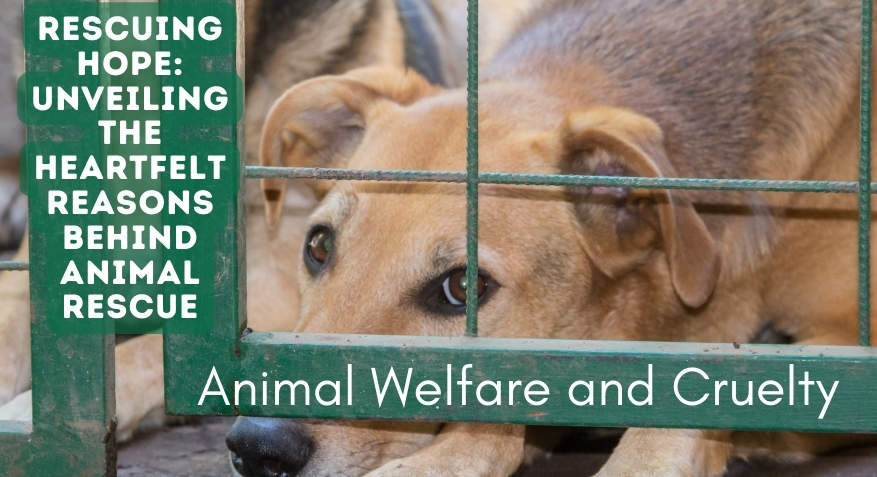
Rescuing animals in the Philippines, as globally recognized, serves as a powerful response to the critical issues of Animal Welfare and Cruelty.ย 

Rescuing animals addresses issues of neglect, abuse, and cruelty. Many rescued animals have suffered from poor living conditions or mistreatment, and rescuing them provides an opportunity for rehabilitation and a better life.

  1. Addressing Neglect:

Rescued animals often come from situations of severe neglect, where their basic needs for food, shelter, and medical care are unmet. These animals have endured hardships, and through rescue efforts, we step in to provide the immediate care they desperately require.

  1. Confronting Abuse:

Cruelty towards animals takes various forms, ranging from physical harm to deliberate neglect. Animal rescues act as advocates and protectors, intervening to rescue animals from abusive environments. This not only offers a lifeline to the victims but also sends a clear message that such cruelty will not be tolerated.

  1. Rehabilitation and Healing:

Many rescued animals bear both physical and emotional scars from their past experiences. Rescuing them is the first step toward rehabilitation, offering a chance for healing physically, mentally, and emotionally. Through expert veterinary care, proper nutrition, and love, we pave the way for a brighter future.

  1. Providing a Safe Haven:

Rescued animals find sanctuary in shelters or foster homes, where they can recover from the trauma they’ve endured. These safe havens offer a nurturing environment, allowing animals to regain their trust in humans and rediscover the joy of companionship.

  1. Offering a Second Chance:

Rescuing animals goes beyond immediate relief; it provides a second chance at life. By connecting them with caring adopters, we create opportunities for these animals to become cherished members of loving families, breaking the cycle of suffering.

  1. Advocating for Change:

Every rescue serves as a powerful advocacy tool against cruelty. It raises awareness about the harsh realities animals face and fosters a collective commitment to creating a society that values and protects every living being.

In essence, rescuing animals is a profound act of compassion and justice. It’s a testament to our shared responsibility to stand against cruelty, neglect, and abuse, and to create a world where every creature can experience kindness, care, and the chance for a fulfilling life.

Read More
06 Mar
0

Preventing Overpopulation and Rescuing Hope in the Philippines

Preventing Overpopulation and Rescuing Hope in the Philippines ๐ŸŒŸ

In a nation filled with compassion, animal rescue plays a pivotal role in curbing overpopulation and addressing the challenges of stray animals. Here’s how our collective efforts make a difference:

  • Spaying/Neutering Advocacy: Rescues actively promote spaying and neutering to control the breeding cycle, reducing the number of stray animals.
  • Adoption Initiatives: Encouraging adoption over buying ensures that rescued animals find loving homes, diminishing the stray population.
  • Education for Responsible Pet Ownership: Rescues engage in community outreach and education, fostering a culture of responsible pet ownership to prevent abandonment.
  • Emergency Response and Rehabilitation: Rescues provide immediate assistance during natural disasters, preventing animals from becoming strays due to unforeseen circumstances.
  • Collaboration with Authorities: Working hand-in-hand with local authorities, rescues contribute to effective animal control measures, preventing the proliferation of strays.


You may also visit โ€“ https://www.facebook.com/angkopparasahayop

Read More
04 Mar
0

March is Pet Poison Awareness Month: Guarding Our Pets from Harm!

March is Pet Poison Awareness Month: Guarding Our Pets from Harm! ๐Ÿšซ๐Ÿ•๐ŸŒฟ

As we step into March, let’s unite to create a safer haven for our furry companions during Pet Poison Awareness Month. Accidental poison exposure is a common concern, but with mindful steps, we can protect our pets from potential hazards. Here’s your guide to proactive pet safety:

๐ŸŒบ Know Your Household Hazards:

Familiarize yourself with common household toxins. From plants to foods, awareness is the first line of defense. Keep a list of pet-safe and pet-hazardous items handy.

๐Ÿซ Beware of Toxic Foods:

Certain foods like chocolate, onions, grapes, and caffeine can be toxic to pets. Safeguard your kitchen and ensure that these items are securely stored out of reach.

๐Ÿ’Š Store Medications Securely:

Keep all medications, both prescription and over-the-counter, in a pet-proof cabinet. Administer medications only under veterinary guidance, avoiding self-prescription.

๐Ÿงผ Pet-Safe Cleaning Products:

Opt for pet-friendly cleaning products to minimize chemical exposure. Ensure that surfaces are thoroughly rinsed and dried before allowing your pets access to cleaned areas.

๐Ÿš— Watch Automotive Products:

Garage items like antifreeze and motor oil are toxic to pets. Store them safely and clean up any spills promptly to prevent accidental ingestion.

๐Ÿชต Mindful of Home Improvement Projects:

When tackling DIY projects, be cautious with materials like paints, glues, and certain woods that may be harmful if ingested. Keep work areas pet-free.

๐Ÿก Create Pet-Safe Spaces:

Designate areas in your home where your pets can safely explore. Ensure that these spaces are free from potential hazards and have pet-friendly essentials.

๐Ÿšจ Know the Signs of Poisoning:

Be vigilant for signs of poisoning such as vomiting, diarrhea, lethargy, and changes in behavior. If you suspect exposure, seek immediate veterinary assistance.

๐Ÿ“ฑ Emergency Contact Ready:

Save the contact information for your veterinarian and a pet poison hotline on your phone. Quick access can make a significant difference in an emergency.

๐Ÿ‘ซ Educate Family and Guests:

Spread awareness about pet hazards among family members and guests. Everyone in your home should be aware of the potential risks and preventive measures.

Together, let’s embark on a mission to fortify our homes against pet toxins. By taking these proactive steps, we can ensure a healthier and happier life for our beloved four-legged friends. ๐ŸŒˆ๐Ÿพย 


You may also visit โ€“ https://www.facebook.com/angkopparasahayop

Read More
27 Feb
0

๐—ฃ๐—ฒ๐˜ ๐—–๐—ฎ๐—ฟ๐—ฒ ๐—”๐—น๐—ฒ๐—ฟ๐˜: ๐——๐—ผ ๐—ก๐—ผ๐˜ ๐—œ๐—ป๐—ฑ๐˜‚๐—ฐ๐—ฒ ๐—ฉ๐—ผ๐—บ๐—ถ๐˜๐—ถ๐—ป๐—ด ๐—ช๐—ถ๐˜๐—ต๐—ผ๐˜‚๐˜ ๐—š๐˜‚๐—ถ๐—ฑ๐—ฎ๐—ป๐—ฐ๐—ฒ!

๐—ฃ๐—ฒ๐˜ ๐—–๐—ฎ๐—ฟ๐—ฒ ๐—”๐—น๐—ฒ๐—ฟ๐˜: ๐——๐—ผ ๐—ก๐—ผ๐˜ ๐—œ๐—ป๐—ฑ๐˜‚๐—ฐ๐—ฒ ๐—ฉ๐—ผ๐—บ๐—ถ๐˜๐—ถ๐—ป๐—ด ๐—ช๐—ถ๐˜๐—ต๐—ผ๐˜‚๐˜ ๐—š๐˜‚๐—ถ๐—ฑ๐—ฎ๐—ป๐—ฐ๐—ฒ! ๐Ÿšซ๐Ÿคข

ย 

๐‘พ๐’‰๐’†๐’ ๐’Š๐’• ๐’„๐’๐’Ž๐’†๐’” ๐’•๐’ ๐’„๐’‚๐’“๐’Š๐’๐’ˆ ๐’‡๐’๐’“ ๐’๐’–๐’“ ๐’‡๐’–๐’“๐’“๐’š ๐’‡๐’“๐’Š๐’†๐’๐’…๐’”, ๐’˜๐’†๐’๐’-๐’Š๐’๐’•๐’†๐’๐’•๐’Š๐’๐’๐’†๐’… ๐’‚๐’„๐’•๐’Š๐’๐’๐’” ๐’„๐’‚๐’ ๐’”๐’๐’Ž๐’†๐’•๐’Š๐’Ž๐’†๐’” ๐’…๐’ ๐’Ž๐’๐’“๐’† ๐’‰๐’‚๐’“๐’Ž ๐’•๐’‰๐’‚๐’ ๐’ˆ๐’๐’๐’…. ๐‘ถ๐’๐’† ๐’„๐’“๐’–๐’„๐’Š๐’‚๐’ ๐’‚๐’”๐’‘๐’†๐’„๐’• ๐’•๐’ ๐’ƒ๐’† ๐’‚๐’˜๐’‚๐’“๐’† ๐’๐’‡ ๐’Š๐’” ๐’•๐’‰๐’† ๐’„๐’‚๐’–๐’•๐’Š๐’๐’–๐’” ๐’‚๐’‘๐’‘๐’“๐’๐’‚๐’„๐’‰ ๐’•๐’ ๐’Š๐’๐’…๐’–๐’„๐’Š๐’๐’ˆ ๐’—๐’๐’Ž๐’Š๐’•๐’Š๐’๐’ˆ ๐’Š๐’ ๐’‘๐’†๐’•๐’”. ๐‘ฏ๐’†๐’“๐’†’๐’” ๐’˜๐’‰๐’š:

ย 
๐—ง๐—ผ๐˜…๐—ถ๐—ฐ๐—ถ๐˜๐˜† ๐—ฉ๐—ฎ๐—ฟ๐—ถ๐—ฒ๐˜€:
Not all substances are safe to bring back up. The type of toxin ingested plays a crucial role. Some substances can cause further damage to the esophagus or pose an increased risk when regurgitated.
ย 
๐—ฆ๐—ฝ๐—ฒ๐—ฐ๐—ถ๐—ณ๐—ถ๐—ฐ ๐—š๐˜‚๐—ถ๐—ฑ๐—ฒ๐—น๐—ถ๐—ป๐—ฒ๐˜€ ๐—ก๐—ฒ๐—ฒ๐—ฑ๐—ฒ๐—ฑ:
Inducing vomiting is not a one-size-fits-all solution. Different toxins require different approaches. Professional guidance is essential to determine if this action is appropriate and what specific steps should be taken.
ย 
๐—ฅ๐—ถ๐˜€๐—ธ ๐—ผ๐—ณ ๐—”๐˜€๐—ฝ๐—ถ๐—ฟ๐—ฎ๐˜๐—ถ๐—ผ๐—ป:
There’s a risk of the pet inhaling the vomited material into their lungs, leading to aspiration pneumonia. This can exacerbate the situation and result in respiratory distress.
ย 
๐—ง๐—ถ๐—บ๐—ฒ ๐—ฆ๐—ฒ๐—ป๐˜€๐—ถ๐˜๐—ถ๐˜ƒ๐—ถ๐˜๐˜†:
The effectiveness of inducing vomiting is time-sensitive. In some cases, it’s only beneficial within a specific time frame after ingestion. Delayed or unnecessary attempts may not yield the desired results.
ย 
๐—ฃ๐—ผ๐˜๐—ฒ๐—ป๐˜๐—ถ๐—ฎ๐—น ๐—ณ๐—ผ๐—ฟ ๐—ฅ๐—ฒ๐—ฝ๐—ฒ๐—ฎ๐˜๐—ฒ๐—ฑ ๐—˜๐˜…๐—ฝ๐—ผ๐˜€๐˜‚๐—ฟ๐—ฒ:
Inducing vomiting may expose the pet owner to the toxic substance during the process, especially if the pet vomits forcefully. This poses a risk to the owner’s health.
ย 
๐™’๐™๐™–๐™ฉ ๐™ฉ๐™ค ๐˜ฟ๐™ค ๐™„๐™ฃ๐™จ๐™ฉ๐™š๐™–๐™™:
Contact a Professional:ย 
Immediately reach out to your veterinarian or a pet poison hotline. Provide details about the ingested substance, the quantity, and your pet’s breed and weight.
Follow Expert Advice:
Abide by the guidance provided by the veterinarian or poison control expert. They will assess the situation and provide specific instructions tailored to the toxin involved.
Safe Transportation:
If advised to seek immediate veterinary care, transport your pet safely to the clinic. Have someone else drive while you attend to your pet’s needs.
Remember, swift and informed action is critical in pet emergencies. By seeking professional guidance, you ensure the best possible care for your furry companion.
Visit your veterinarian as early recognition, diagnosis, and treatment are essential.

You may also visit โ€“ https://www.facebook.com/angkopparasahayop

Read More
23 Feb
0

Urgent Steps for Pet Ingestion of Toxic Substances

Urgent Steps for Pet Ingestion of Toxic Substances

Discovering that your pet has ingested a toxic substance is a distressing situation, but prompt action is crucial. Follow these immediate steps to seek help:

๐Ÿ“ž Contact Emergency Vet:

  • Call your veterinarian or an emergency pet poison hotline immediately. Have information about the ingested substance, its quantity, and your pet’s breed and weight ready.

๐Ÿšซ Do Not Induce Vomiting Without Guidance:

  • Inducing vomiting can worsen the situation depending on the ingested substance. Only induce vomiting if advised by a professional.

๐Ÿšญ Keep the Substance Container:

  • If possible, keep the container or packaging of the ingested substance. This aids the vet in determining the nature and severity of the toxicity.

๐Ÿšช Isolate the Pet:

  • Confine your pet to a safe and easily cleanable area to prevent further ingestion or harm. Remove any other pets from the vicinity.

๐Ÿšฟ Rinse Skin or Fur:

  • If the substance has come into contact with your pet’s skin or fur, gently rinse with lukewarm water. Avoid causing stress to your pet during this process.

๐Ÿ’ฆ Provide Water or Milk (If Advised):

  • Offer water or milk only if instructed to do so by the vet. Certain substances may require specific measures, and indiscriminate fluid intake can be harmful.

๐Ÿš— Transport to Vet Immediately:

  • If advised by the vet, transport your pet to the clinic immediately. Have someone else drive while you attend to your pet’s needs.

๐Ÿ‘€ Observe Symptoms:

  • Monitor your pet for any signs of distress, unusual behavior, vomiting, diarrhea, seizures, or difficulty breathing. Relay this information to the vet.

๐Ÿงพ Bring Relevant Information:

  • Bring any packaging, labels, or information about the toxic substance with you to the vet. This aids in accurate diagnosis and treatment.

๐Ÿฅ Follow Vet’s Guidance:

  • Follow the vet’s instructions diligently. They may administer specific antidotes, perform tests, or initiate treatments based on the toxicity involved.

Remember, time is of the essence. Immediate action and professional guidance are crucial in cases of pet ingestion of toxic substances. Be proactive, stay calm, and prioritize your pet’s well-being.

Visit your veterinarian as early recognition, diagnosis, and treatment are essential.

You may also visit โ€“ https://www.facebook.com/angkopparasahayop

Read More
20 Feb
0

A Brief Guide to Understanding Changes

A Brief Guide to Understanding Changes ๐Ÿง๐Ÿก

Our pets, with their wagging tails and expressive eyes, communicate in more ways than one. Recognizing changes in their behavior is key to ensuring their well-being. Here’s a quick guide to understanding and responding to shifts in your furry friend’s behavior:

๐Ÿšจ Sudden Agitation or Restlessness:

  • Unexplained restlessness or increased agitation could indicate discomfort, pain, or the need for more mental stimulation. Consult your vet to rule out any health issues.

๐Ÿ˜ด Excessive Sleep or Lethargy:

  • While pets enjoy their beauty sleep, excessive lethargy might signal an underlying health concern. Monitor changes in sleep patterns and consult your vet if needed.

๐Ÿ‘‚ Heightened Sensitivity or Startling Easily:

  • If your pet becomes unusually sensitive or startles easily, it might indicate stress or anxiety. Identify and address potential stressors in their environment.

๐Ÿšถ Changes in Appetite or Eating Habits:

  • A sudden loss or increase in appetite could be a sign of dental issues, digestive problems, or emotional distress. Monitor eating habits and seek veterinary advice if necessary.

๐Ÿ‘… Excessive Grooming or Scratching:

  • Excessive grooming or scratching may indicate skin issues, allergies, or discomfort. Check for signs of irritation and consult your vet for suitable solutions.

๐Ÿ—ฃ๏ธ Unusual Vocalizations:

  • Changes in vocalizations, such as excessive barking or whining, may signal pain, anxiety, or a desire for attention. Understand the context and address their needs accordingly.

๐Ÿ’ฉ Irregular Bathroom Habits:

  • Changes in bathroom habits, whether it’s increased frequency, difficulty, or changes in stool, should be monitored. Consult your vet to rule out any underlying health issues.

๐Ÿพ Withdrawal or Unusual Social Behavior:

  • If your social pet becomes withdrawn or displays uncharacteristic antisocial behavior, it could indicate stress, illness, or discomfort. Provide a calm and secure environment.

๐Ÿšฝ Inappropriate Elimination:

  • Accidents in the house might signal urinary tract issues, behavioral stress, or territorial marking. Consult your vet to identify the root cause.

๐Ÿ‘€ Excessive Staring or Pacing:

  • Prolonged staring or pacing might indicate restlessness, boredom, or a need for mental stimulation. Enrich their environment with toys and activities.

Understanding your pet’s behavior is a continuous journey. Regular observation, open communication, and a loving, responsive approach foster a strong bond and a happy, healthy pet.

Visit your veterinarian as early recognition, diagnosis, and treatment are essential.

You may also visit โ€“ https://www.facebook.com/angkopparasahayop

Read More
19 Feb
0

Never Lost, Always Loved: A Guide to Keeping Your Dog Safe

Never Lost, Always Loved: A Guide to Keeping Your Dog Safe

Losing a furry friend is every pet owner’s nightmare, but with the right measures, you can ensure your dog is never lost again. Here’s a comprehensive guide to keeping your canine companion safe and sound:

๐Ÿ” Microchip Magic:
Get your dog microchipped. It’s a small, painless procedure that provides a secure and permanent form of identification. Keep the contact information associated with the microchip up-to-date.

๐Ÿพ Secure Collar and ID Tags:
Always have a sturdy collar with an updated ID tag on your dog. Include your phone number and address. In case your dog wanders, this simple tag can be their ticket back home.

๐Ÿ“ธ Recent Photos Matter:
Keep recent, clear photos of your dog. In case they go missing, having up-to-date images will aid in creating posters and sharing on social media to facilitate a quick reunion.

๐Ÿšง Fenced and Safe Yards:
Ensure your yard is securely fenced to prevent accidental escapes. Regularly check for any gaps or weak points that your clever pup might exploit.

๐ŸŽ“ Obedience Training:
Invest time in obedience training. A well-trained dog is less likely to stray and more likely to respond to commands, making outdoor excursions safer.

๐Ÿšถ Supervised Outings:
Keep a watchful eye on your dog during walks or outdoor adventures. Being present and attentive minimizes the risk of them slipping away unnoticed.

๐ŸŒ Social Media Alerts:
Leverage the power of social media. In the unfortunate event of your dog going missing, quick and widespread sharing can significantly increase the chances of a reunion.

๐Ÿค Neighborhood Networking:
Establish connections with your neighbors. A tight-knit community can act as an additional set of eyes, alerting you if they spot your dog wandering.

๐Ÿš— Safe Travel Measures:
Practice secure travel protocols. Always leash your dog when exiting the car, and consider using a travel crate for added safety during journeys.

๐Ÿ“… Regular Check-ins:
Regularly check the condition of your dog’s collar, ID tags, and microchip information. Ensure everything is current and legible.

Remember, the key to a never-lost dog is a combination of proactive preventive measures and quick, coordinated action if your furry friend does happen to go astray. By implementing these steps, you’re creating a safety net that ensures your dog is never lost, but always loved and protected. ๐Ÿถ๐Ÿ’š


You may also visit โ€“ https://www.facebook.com/angkopparasahayop

Read More
12 Feb
0

Your Dog’s Weight and Health Connection

Your Dog’s Weight and Health Connection

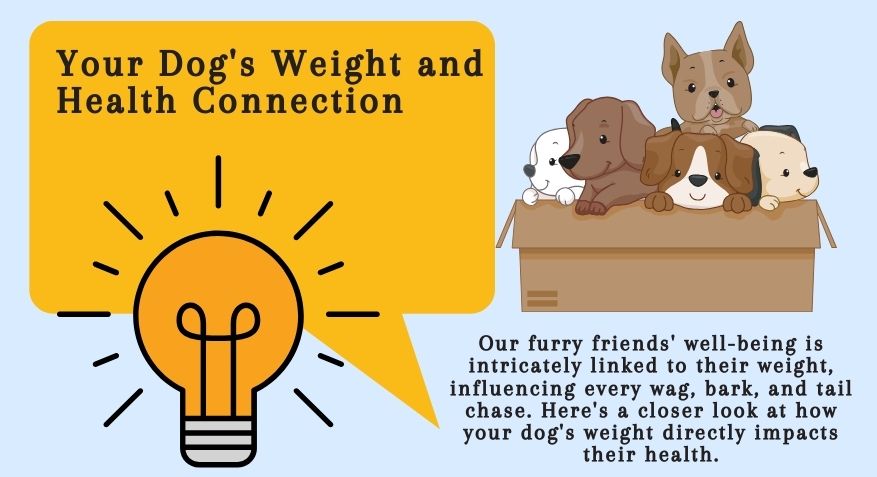
Our furry friends’ well-being is intricately linked to their weight, influencing every wag, bark, and tail chase. Here’s a closer look at how your dog’s weight directly impacts their health:

๐Ÿ– Balanced Nutrition:
Maintaining an optimal weight ensures your dog receives the right balance of nutrients. A well-nourished pup is more likely to have a shiny coat, strong teeth, and a robust immune system.

๐Ÿ’ช Joint Health:
Excess weight can strain your dog’s joints, leading to conditions like arthritis. Maintaining a healthy weight minimizes stress on joints, promoting agility and mobility.

โค๏ธ Cardiovascular Well-being:
A lean physique contributes to a healthy heart. Dogs at a proper weight are less prone to cardiovascular issues, ensuring a longer, more active life.

๐Ÿ‘๏ธ Vision and Eye Health:
Obesity is linked to conditions like diabetes, which can affect your dog’s eyesight. Maintaining a healthy weight supports overall eye health and reduces the risk of related complications.

๐Ÿฉบ Disease Prevention:
Obesity is a significant factor in the development of various diseases, including diabetes, respiratory issues, and certain cancers. A trim waistline contributes to disease prevention and a happier, healthier pup.

๐Ÿพ Enhanced Energy Levels:
Dogs at a healthy weight are more energetic and enthusiastic. Regular exercise becomes more enjoyable, leading to a positive cycle of activity that benefits both body and mind.

๐ŸŒˆ Emotional Well-being:
A balanced weight not only impacts the body but also contributes to emotional health. A content and active dog is more likely to exhibit positive behaviors and enjoy a higher quality of life.

๐Ÿ‘‚ Ear and Dental Health:
Maintaining a proper weight can prevent issues like ear infections and dental problems. A healthy weight contributes to overall hygiene and well-being.

Remember, every dog is unique, and weight management should align with their specific needs. Consult your vet for tailored advice and embark on a journey of health, happiness, and tail-wagging vitality with your canine companion!


You may also visit โ€“ https://www.facebook.com/angkopparasahayop
#DogHealth #WeightWellness #PawsForLife

Read More
234โ€ฆ691215182124