Blog

08 Aug
0

The Lifelong Journey of Dog Ownership: Be Prepared for a 10-15 Year Commitment

The Lifelong Journey of Dog Ownership: Be Prepared for a 10-15 Year Commitment

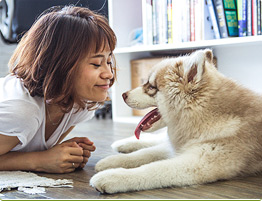
Owning a dog is a heartwarming experience that brings companionship, loyalty, and boundless joy to our lives. However, it’s important to recognize that the decision to bring a dog into your home is a significant commitment that can span a decade and a half or more. This journey, while incredibly rewarding, demands careful consideration and planning. Let’s explore the reasons why understanding this commitment is essential for all dog owners.


Lifelong Care

When you open your heart to a furry friend, you’re agreeing to provide them with consistent care and attention for their entire life. Dogs depend on us for their well-being, including nutrition, exercise, grooming, and healthcare. This commitment doesn’t diminish over time; in fact, it deepens as your dog ages and requires more specialized care.


Changing Life Circumstances

A lot can change over the course of a decade or more – career changes, relationships, moving to a new home, and more. Owning a dog means considering how these changes will impact your pet. Will your dog still fit comfortably into your evolving lifestyle? It’s important to make accommodations to ensure your furry friend remains a happy and integral part of your life.


Emotional Investment

The bond you form with your dog is unique and profound. This relationship requires nurturing and emotional investment. Over the years, you’ll experience countless moments of shared joy, challenges, and growth. Being emotionally present for your dog is essential for their happiness and well-being.


Financial Responsibility

Dog ownership comes with financial responsibilities that extend beyond initial adoption fees. Vet visits, vaccinations, grooming, food, toys, and unexpected medical expenses are all part of the financial commitment. Being prepared for these costs throughout your dog’s life is vital to providing them with the care they deserve.


Aging Gracefully

As your dog ages, their needs will change. Senior dogs may require specialized diets, medications, and more frequent veterinary visits. Being prepared to provide for these changing needs ensures your dog enjoys their golden years comfortably and happily.


The Joy of Long-Term Companionship

While the commitment might seem daunting, the joy of having a loyal companion by your side for years is immeasurable. Dogs offer unwavering love, loyalty, and a sense of purpose that enriches our lives immeasurably.


Owning a dog is a journey that extends far beyond the initial excitement of bringing a new pet home. It’s a commitment to providing unwavering love, care, and companionship for a decade or more. The rewards of this commitment are immeasurable – a bond that grows stronger with time, countless shared memories, and the joy of knowing you’ve provided a wonderful life for your furry friend. So, before you embark on this journey, take a moment to reflect on the commitment you’re making, and be prepared to embrace the joys and challenges of dog ownership for years to come.


You may also visit – https://www.facebook.com/angkopparasahayop

Read More
03 Aug
0

Unexpected Rainy Day Dangers for Dogs

Unexpected Rainy Day Dangers for Dogs

Rainy days can certainly dampen the spirits of both humans and our furry companions, dogs. Rainy weather not only means wet walks, reduced exercise, and limited outdoor playtime for them but also brings along unforeseen dangers and problems.

To keep your dog safe on rainy days, it’s essential to plan ahead and take necessary precautions. Provide them with a safe and dry environment, avoid hazardous areas, and ensure they stay warm and dry during outdoor activities.


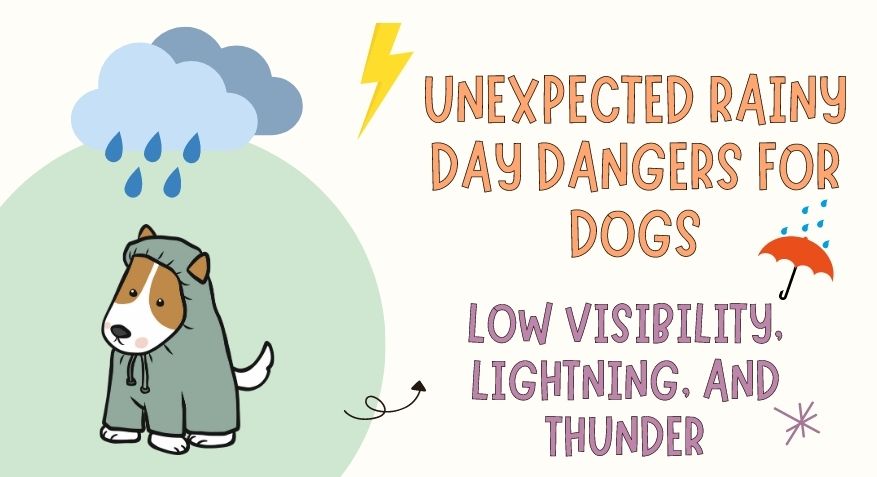
Low Visibility, Lightning, and Thunder

Rainstorms often bring fog, downpours, thunder, and lightning—all of which lead to decreased visibility and sudden, unexpected noise. Loud claps of thunder can spook many pooches, causing them to react and run away. This can lead to missing dogs and accidents, because cars have difficulty seeing through the inclement weather. It can be a deadly combination.

Thunder can cause dogs a great deal of anxiety. This stress can cause pets to hurt themselves as they try to chew or scratch their way into or out of rooms and crates (a common thunder phobia response). It’s important to discuss possible storm phobias with your primary care veterinarian, as there are many great options (both holistic and medication) to help calm dogs in storms.

Lightning strikes are also possible, though rare, and are usually fatal. Always avoid long walks during rainstorms, as lightning is attracted to metal (including umbrellas).


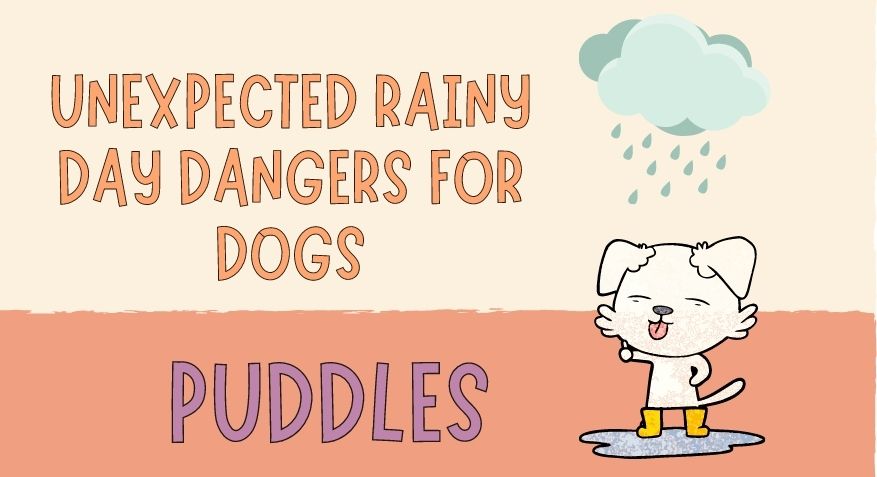
Puddles

Most dogs love to play in rain puddles. Unfortunately, these puddles can contain harmful bacteria and toxins.

Leptospirosis

The most common bacteria found in stagnant water is leptospirosis, which is transmitted through rodent urine. Rodents often bathe in rain puddles, leaving the bacteria behind. The bacteria then enter a dog’s (or human’s) body through uncovered wounds or through ingestion, leading to liver and kidney failure. If untreated, this condition is fatal.


The good news is that there is a vaccination to protect against this infection. Discuss this vaccine series with your veterinarian if your dog is frequently drinking out of rain puddles or swims in lakes.


Giardia

Another common inhabitant of puddles is giardia. This is a microscopic parasite that, if ingested, may cause:


  • Vomiting
  • Diarrhea
  • Abdominal pain
  • Weight loss
  • Nausea

Visit your veterinarian as early recognition, diagnosis, and treatment are essential.


Various Toxins

Certain toxins such as pesticides and ethylene glycol (antifreeze) can be washed into rain puddles and lead to severe effects in dogs. These can range from gastrointestinal issues to kidney failure to death.

If there are any lingering puddles from a recent (or ongoing) rainstorm, keep your dog away from them to avoid any risks of contaminated water. Protect your dog’s paws by training them to wear rain boots, or wash and dry their paws as soon as you get home using unscented Dawn dish soap, baby wipes, or paw wipes.


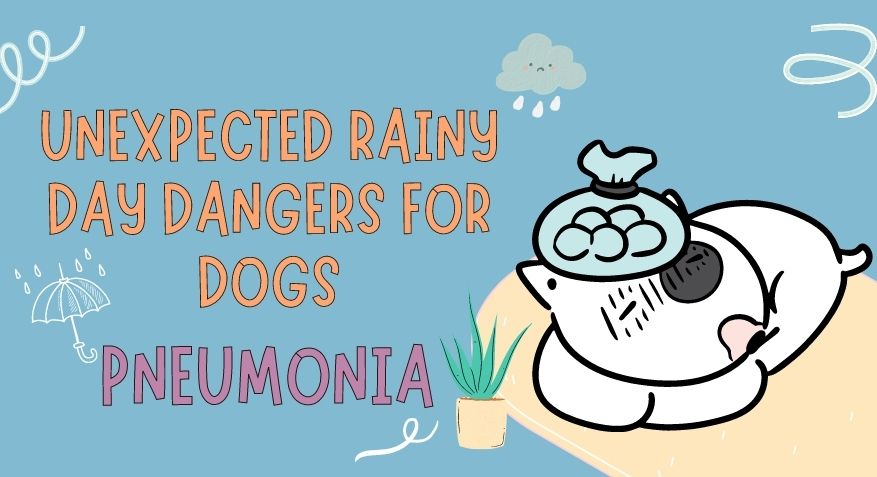
Pneumonia

Exposure to cold and wet weather for long periods of time can lead to inflammation in the respiratory tract. This inflammation makes dogs more prone to bacteria invasion of the airways—aka, pneumonia. This is a higher risk for young dogs,

Exposure to cold and wet weather for long periods of time can lead to inflammation in the respiratory tract. This inflammation makes dogs more prone to bacteria invasion of the airways—aka, pneumonia. This is a higher risk for young dogs, older dogs with other systemic diseases, and any immunocompromised dog.

It’s important to dry off your dog with a towel as soon as you come in from rainy walks and give them a warm, dry area to stay in. You may also consider training your pooch to wear a raincoat to avoid exposure to wet weather.

Clinical signs of pneumonia in dogs include:

  • Lethargy
  • Nasal discharge
  • Eye discharge
  • Coughing
  • Wheezing
  • Decreased appetite
  • Fever
  • Trouble breathing (if the lungs are severely affected)

If you notice any of these signs, bring your dog to the veterinarian for evaluation right away. Pneumonia can be fatal if left untreated.


ACCIDENTS

Electrocution

During a rainstorm, power lines or electrical wires can become damaged, leading to potential electrical hazards. Dogs may be curious and explore these areas, putting them at risk of electric shock or electrocution. Avoid areas with exposed electrical equipment and be cautious during thunderstorms.


Increased traffic risks:

Rainy weather can reduce visibility for drivers and make road conditions hazardous. Dogs might be harder for drivers to spot, especially if they’re on the loose or have a dark coat. Always keep your dog on a leash when outside, and if possible, avoid walking along busy roads during heavy rain.


Try to limit playtime to inside during inclement weather. When you must take your dog out, always monitor your pet closely to stop them from drinking out of puddles, eating plants, or finding toads to lick. Prevention is much more effective than dealing with rain-induced issues later.


You may also visit – https://www.facebook.com/angkopparasahayop
Read More
27 Jul
0

Protect Your Pets During Rainy Days

Protect Your Pets During Rainy Days

The rainy season provides many opportunities to enjoy indoor activities with canine and feline friends and there is no better time to learn about them than now. Rainy day fun with your furry friend may not be a problem, but keep in mind that pets are more susceptible to common diseases in this weather.


  1. Keep them indoors during heavy rainfall and provide a dry and comfortable space for them to rest.
  2. Keep up with vaccinations and use preventive medicines, if necessary.
  3. Avoid walking your pets in areas with standing water or muddy conditions.
  4. Dry your pet thoroughly after they’ve been outside in the rain or on wet surfaces.
  5. Regularly treat your pets with veterinarian-approved parasite preventatives to protect them from ticks, fleas, and mosquitoes.
  6. Keep your home clean and dry to prevent mold growth and respiratory issues.
  7. If your pet shows signs of illness or discomfort, seek veterinary attention promptly.
  8. By taking these precautions, you can help keep your pets safe and healthy during rainy weather.


Different seasons will necessitate certain adjustments in the way we care for our pets. And in this climate change that we find ourselves in, that may sometimes vary on a daily basis. But even if we can’t control the weather, it is important to consistently provide the things that we should have a handle on – protection, shelter, sustenance, and compassion.


You may also visit – https://www.facebook.com/angkopparasahayop
Read More
27 Jul
0

Rainy Weather Common Pet Diseases or Health Concerns

Rainy Weather Common Pet Diseases or Health Concerns

Rainy days can create certain conditions that may affect pets’ health. Here are some common pet diseases or health concerns associated with rainy weather:


Respiratory Infections: Rainy days can bring dampness and mold growth, which may exacerbate respiratory issues in pets, particularly those with pre-existing conditions like asthma or bronchitis.


Kennel Cough: This highly contagious respiratory infection can be transmitted through the air or contact with contaminated surfaces, and it may spread more easily when pets are kept indoors due to rain.


Parasites: Rain and humidity can create an environment conducive to the proliferation of parasites like fleas, ticks, and mosquitoes. These parasites can transmit various diseases to pets, such as Lyme disease, heartworm, and West Nile virus.


Fungal Infections: Pets exposed to wet and muddy conditions may be at higher risk of developing fungal infections on their skin and paws, such as ringworm.


Paw Pad Problems: Prolonged exposure to wet surfaces can lead to softened paw pads and make them more susceptible to cuts, abrasions, and infections.


Gastrointestinal Upset: Rainwater can collect various contaminants, which pets might ingest while grooming or drinking from puddles. This may result in gastrointestinal issues or infections.


Hypothermia: Smaller or short-haired pets can be more susceptible to hypothermia on cold and rainy days, especially if they spend prolonged periods outside.


Behavioral Changes: Some pets may experience anxiety or stress due to the loud noises of thunderstorms and the changes in their daily routines caused by the rain.


Though there are many concerning events that can occur during rainy days, dogs still need their exercise—even in the face of stormy weather. Try to limit playtime to inside during inclement weather. When you must take your dog out, always monitor your pet closely to stop them from drinking out of puddles, eating plants, or finding toads to lick. Prevention is much more effective than dealing with rain-induced issues later.

Visit your veterinarian as early recognition, diagnosis, and treatment are essential.


You may also visit – https://www.facebook.com/angkopparasahayop
Read More
25 Jul
0

Pets Need Owner’s Time Too!

Pets Need Owner’s Time Too!

Ideas on how to spend quality time with your beloved furry companion!

Playtime: Engage in interactive play sessions with your pet using toys, balls, or interactive games. This not only provides physical exercise but also strengthens the bond between you and your pet.


Outdoor Adventures: Take your dog for a walk, hike, or visit a dog-friendly park. Exploring the outdoors together can be enjoyable for both of you and offers a change of scenery.


Cuddle Time: Many pets love cuddling and physical affection. Spend some quiet time petting and snuggling with your pet to show them love and affection.


Training Sessions: Training your pet can be a fun and rewarding experience. Teach them new tricks, commands, or basic obedience skills. Positive reinforcement training is an excellent way to build trust and communication.


Treats and Snacks: Treat your pet to some tasty and healthy treats. You can also introduce food puzzles or toys that dispense treats, which can keep them mentally stimulated.


Grooming: Brushing and grooming your pet not only helps keep their coat clean and healthy but also provides an opportunity for bonding and relaxation.


Watch TV Together: Some pets enjoy watching television, especially if there are animal-related shows or sounds. You can find pet-friendly content online to keep them entertained.


Talk and Listen: Communicate with your pet through talking, using a calm and soothing voice. Though they may not understand your words, the tone and attention you provide are significant to them.


Naptime: Take a peaceful nap with your pet by your side. Many animals find comfort in sleeping close to their owners.


Pet-Friendly Activities: Look for local pet-friendly events or places to visit. Some cafes, restaurants, and even beaches welcome well-behaved pets.


Remember that spending quality time with your pet is not just about the activity itself but the undivided attention and love you give them. The time you invest in building a strong relationship will create lasting and cherished memories for both of you.


You may also visit – https://www.facebook.com/angkopparasahayop
Read More
25 Jul
0

HOW PETS HELP REDUCE STRESS LEVEL

HOW PETS HELP REDUCE STRESS LEVEL

Pets can be a great source of comfort and companionship for their owners after a long day at work. Here are some ways in which pets can help their owners:

Stress Relief: Interacting with pets, such as petting, playing, or simply being around them, triggers the release of oxytocin (the “feel-good” hormone) in the brain. This can lead to a reduction in stress levels and a sense of relaxation after a hectic day.

Unconditional Love: Pets offer unconditional love and acceptance, which can be incredibly comforting and uplifting. Knowing that there’s a furry friend waiting eagerly to greet you can brighten your mood and help you feel valued and appreciated.

Emotional Support: Pets are excellent at sensing their owners’ emotions. They can be there to provide comfort and support during challenging times, offering a listening ear without judgment.

Physical Activity: Dogs, in particular, require regular walks and exercise, which can be a great way for their owners to unwind and get some fresh air after work. Engaging in physical activity with pets can also improve the owner’s overall health and fitness.

Social Interaction: Owning a pet can increase social interactions for their owners. Taking a dog for a walk or visiting a dog park can lead to friendly encounters with other pet owners, providing an opportunity for socialization.

Routine and Responsibility: Taking care of pets can provide a sense of structure and purpose to an owner’s life. Feeding, grooming, and spending time with pets create a routine that can be comforting and fulfilling.

Humor and Entertainment: Pets often exhibit playful and amusing behaviors that can bring joy and laughter to their owners. Watching a cat chase a toy or a dog perform tricks can be a great way to unwind and forget about the stresses of the day.

Reduced Loneliness: For individuals who live alone, pets can be excellent companions that help combat feelings of loneliness. Their presence can fill the void and provide a sense of security and connection.

Mindfulness and Presence: Spending time with pets can be a form of mindfulness, as it encourages individuals to be present in the moment and fully engage with their furry friends. This can help them let go of work-related thoughts and worries.

Unplugging from Technology: Taking time to focus on pets and their needs allows owners to disconnect from electronic devices and screens, promoting a healthy work-life balance.

In summary, pets play a vital role in enhancing their owners’ well-being after work. They offer emotional support, love, and a sense of purpose, all of which contribute to a more fulfilling and balanced life.


You may also visit – https://www.facebook.com/angkopparasahayop

Read More
25 Jul
0

CAT GROOMING BENEFITS

CAT GROOMING BENEFITS

Cat grooming offers numerous benefits, not only for the cat but also for their owners. Here are some of the key advantages of regular cat grooming:

Healthy Coat: Grooming helps keep the cat’s coat clean and healthy. Brushing removes dirt, debris, and loose hair, reducing the chance of matting and tangling. A clean coat also reduces the risk of skin issues.

Reduced Shedding: Regular grooming can significantly reduce shedding in cats, especially during seasonal changes. This is especially beneficial for cat owners who may be allergic to cat hair.

Hairball Prevention: Cats groom themselves by licking, which can lead to hairballs in their digestive tract. Regular brushing helps remove loose hair and minimizes the chances of hairballs.

Bonding Time: Grooming provides an excellent opportunity for bonding between the cat and its owner. It allows for physical contact and positive interaction, which helps strengthen the human-animal bond.

Early Detection of Health Issues: During grooming sessions, you have the chance to closely examine your cat’s skin, ears, eyes, and overall body condition. This allows for the early detection of any abnormalities or health issues, which can lead to prompt veterinary care.

Stress Reduction: Cats enjoy grooming as it mimics the social grooming behavior they would experience with their feline companions. Regular grooming can help reduce stress and anxiety in cats.

Improved Circulation: Gently brushing the cat’s fur can stimulate blood flow and circulation in the skin, contributing to better overall health.

Preventing Matting and Tangles: Long-haired cats are prone to matting and tangles, which can be uncomfortable and painful. Regular grooming prevents these issues, ensuring your cat’s comfort.

Keeps Home Cleaner: Regular grooming reduces the amount of loose hair that would otherwise be shed around the house, keeping the home cleaner and more hygienic.

Better Smell: Cats can develop odors due to accumulated dirt or oils on their coat. Regular grooming helps keep them smelling fresh and clean.

Promotes Overall Wellness: By maintaining a well-groomed and healthy coat, your cat is likely to feel more comfortable, content, and happy, which contributes to their overall well-being.

Remember, each cat’s grooming needs may vary depending on their breed, coat length, and individual preferences. Short-haired cats generally require less grooming compared to long-haired breeds, but regular grooming is beneficial for all cats. If you’re unsure about how to groom your cat properly, consult your veterinarian or a professional groomer for guidance.


You may also visit – https://www.facebook.com/angkopparasahayop

Read More
24 Jul
0

15 TIPS FOR DOG OWNERS – Foundations for All Dog Owners

15 TIPS FOR DOG OWNERS – Foundations for All Dog Owners

As a dog owner, there are essential foundations you should establish to ensure a happy and healthy life for your canine companion. Here are some crucial principles and practices for all dog owners:


Proper Nutrition: Ensure your dog receives a balanced and appropriate diet based on their age, size, breed, and health condition. Consult with your veterinarian to determine the best food and feeding schedule for your furry friend.


Regular Exercise: Engage your dog in daily physical activity to maintain their weight, improve cardiovascular health, and prevent behavioral issues. Play fetch, go for walks, or explore dog-friendly parks together.


Basic Training: Teach your dog basic commands such as sit, stay, come, and leash manners. Positive reinforcement training methods work best, rewarding good behavior with treats, praise, or affection.


Socialization: Expose your dog to various people, animals, and environments from an early age to promote positive social behaviors and reduce anxiety in different situations.


Healthcare and Vet Visits: Schedule regular veterinary check-ups to monitor your dog’s health, vaccinations, and preventive care, including flea, tick, and heartworm prevention.


Grooming: Maintain a regular grooming routine to keep your dog’s coat, nails, ears, and teeth clean and healthy. Brushing, bathing, and nail trimming should be done based on your dog’s breed and needs.


Safety First: Keep your dog safe at all times by providing a secure and appropriate living environment. Use a sturdy leash and collar during walks and ensure your home and yard are dog-proofed.


Identification and Microchipping: Outfit your dog with a collar that includes an ID tag with your contact information. Consider microchipping your pet as an added safety measure.


Respect and Patience: Be patient with your dog during training and throughout their life. Show them respect and kindness, building a strong bond of trust and love.


Understanding Body Language: Learn to read your dog’s body language and signals to understand their emotions and needs better. This will help prevent stressful or potentially dangerous situations.


Positive Reinforcement: Reward and praise your dog for good behavior and avoid punishment-based training methods, as they can be counterproductive and harmful to the dog’s well-being.


Time and Attention: Dedicate quality time to interact and play with your dog daily. Dogs are social animals and thrive on companionship.


Be Prepared for Commitment: Understand that owning a dog is a long-term commitment that can last 10-15 years or more. Ensure you can meet their needs throughout their entire life.


Understanding Breed Characteristics: Research the specific traits and characteristics of your dog’s breed to better understand their behavior and needs.


Love and Companionship: Lastly, shower your dog with love, attention, and affection. Dogs are loyal companions and deserve a caring and loving home.


By laying these foundations, you will create a strong bond with your dog and provide them with a happy and fulfilling life as a cherished member of your family.


You may also visit – https://www.facebook.com/angkopparasahayop


Read More
24 Jul
0

Traveling with Your Feline Friend

Traveling with Your Feline Friend

Traveling with your feline friend can be a challenging but rewarding experience for both you and your feline companion. Whether it’s a short trip to the vet or a more extended adventure, careful planning and preparation are essential to ensure your cat’s safety and comfort. In this content piece, we’ll cover various aspects of traveling with cats and offer helpful tips for a smoother journey.

Preparation is Key: Before the trip, familiarize your cat with their carrier to reduce anxiety during travel. Leave the carrier open at home and place treats or toys inside to create positive associations.


Visit the Vet: Schedule a visit to the veterinarian to ensure your cat is in good health and up-to-date on vaccinations. Obtain a health certificate if required for travel, especially if crossing state or country borders.


Choosing the Right Carrier: Opt for a sturdy and well-ventilated carrier that allows your cat to stand, turn around, and lie down comfortably. Soft carriers with a removable base can be convenient for cleaning.


Identification and Microchipping: Ensure your cat wears a collar with an ID tag containing your contact information. Additionally, microchipping your cat provides an extra layer of protection in case they get lost during travel.


Pack Cat Essentials: Bring along your cat’s favorite toys, a familiar blanket, and enough food and water for the journey. Stick to their regular diet to avoid potential digestive issues.


Acclimating Your Cat to the Car: Start with short car rides to get your cat used to the motion. Gradually increase the duration of the trips to build their tolerance and reduce stress.


Secure the Carrier: Place the carrier on the car seat and secure it with a seatbelt. Avoid putting the carrier in the trunk or allowing your cat to roam freely in the car.


Drive Safely: Drive carefully and avoid sudden movements to minimize stress for your cat. Consider covering the carrier with a light cloth to create a sense of security.


Take Breaks: If you’re embarking on a long journey, plan regular breaks to offer your cat water and a chance to use the litter box in a secure environment.


Traveling by Air: If flying with your cat, research the airline’s pet policy and requirements. Use an airline-approved carrier and book a direct flight, if possible, to reduce travel time.


Pet-Friendly Accommodations: When staying overnight, choose pet-friendly accommodations that allow cats. Call ahead to confirm their pet policy and any additional fees.


Pet-Proofing Hotel Rooms: Once in the hotel room, pet-proof the space by hiding potential hazards and providing a designated area for your cat to explore.


Be Patient and Calm: Cats are sensitive to their owners’ emotions, so staying calm and patient throughout the journey will help reassure them.


Reintroduction at the Destination: When you arrive at your destination, allow your cat to explore the new environment gradually. Keep them indoors until they feel comfortable and secure.


Emergency Contacts: Research and note down the contact information of local veterinarians at your destination in case of any health emergencies.


Remember that every cat is different, and some may adapt to travel more easily than others. Be prepared for a range of reactions and be patient with your furry friend. With the right preparation and care, traveling with your cat can be a positive and enjoyable experience for both of you.

You may also visit – https://www.facebook.com/angkopparasahayop

Read More
19 Jul
0

The Benefits of Adopting a Senior Pet: Providing a Loving Home in Their Golden Years

The Benefits of Adopting a Senior Pet: Providing a Loving Home in Their Golden Years

Adopting a senior pet can be an incredibly rewarding experience for both the pet and the adopter. While many people tend to gravitate towards adopting puppies or kittens, there are numerous benefits to giving an older animal a loving home in their golden years. Here are some of the advantages of adopting a senior pet:


Gratitude and Companionship: Senior pets often have a more difficult time finding homes compared to younger animals, so when you adopt a senior pet, they are likely to show immense gratitude. The bond that forms between you and your senior pet can be incredibly strong, providing you with loyal companionship.


Matured Temperament: Unlike young animals, senior pets usually have well-established personalities and behaviors. This means you can better assess their compatibility with your lifestyle and family, making it easier to find a perfect match.


Lower Energy Levels: Senior pets are generally calmer and have lower energy levels than puppies or kittens. This can be advantageous for adopters who lead a more laid-back lifestyle or who might not have the time or energy for constant play and exercise.


Training and Socialization: Senior pets often come with basic training and are likely to be housebroken. They might already know commands and have experience interacting with humans, making the transition into their new home smoother.


Less Destructive: Puppies and kittens can be quite mischievous and destructive as they explore the world with their curious nature. Senior pets are usually past this stage, reducing the chances of finding your belongings chewed or scratched.


Health Status: While it’s true that senior pets may have some health issues, their health status is usually well-known at the time of adoption. This means you can make informed decisions about their care, and some conditions may already be well-managed.


Time Commitment: Senior pets generally require less time and attention than younger animals. They are content with a relaxed walk, some playtime, and lots of love and cuddles. This can be a better fit for people with busy schedules or older individuals who still want a furry companion but might not have the stamina for high-energy pets.


Saving a Life: By adopting a senior pet, you are providing them with a chance for a happy and comfortable life during their remaining years. Many senior pets end up in shelters due to various reasons, including the passing of their owners or changes in their living situation.


Promote Shelter Adoptions: By choosing to adopt a senior pet, you also support the mission of animal shelters and rescue organizations, encouraging them to continue their efforts to find loving homes for all animals in need.


Personal Growth and Fulfillment: Caring for a senior pet can be a profoundly rewarding experience. It teaches compassion, responsibility, and the value of cherishing every moment. The love and affection you receive from a senior pet can bring immense joy and fulfillment to your life.


Remember that while senior pets can offer incredible benefits, they may also have specific needs and require regular veterinary check-ups. Providing them with a safe and loving environment, along with proper medical care, can make their golden years truly special and meaningful.


You may also visit – https://www.facebook.com/angkopparasahayop

Read More