Blog

11 Dec
0

Unraveling the Mystery of Pet Anxiety: A Guide to Understanding and Soothing Your Furry Friend

🐾 Unraveling the Mystery of Pet Anxiety: A Guide to Understanding and Soothing Your Furry Friend 🌿✨

Is your pet showing signs of restlessness or unease? We’re here to shed light on pet anxiety and offer compassionate solutions to bring comfort to your cherished companion. 🐶🐱

🤔 Recognizing the Signs of Pet Anxiety:

1️⃣ Excessive Panting or Pacing: If your pet is constantly on the move or panting excessively, it could be a sign of heightened stress.

2️⃣ Destructive Behavior: Chewing furniture, excessive scratching, or other destructive habits may indicate anxiety, especially when you’re away.

3️⃣ Withdrawal or Hiding: Pets experiencing anxiety might withdraw from social interactions or seek refuge in hiding spots.

4️⃣ Changes in Appetite: A sudden change in eating habits, either an increase or decrease, can be a manifestation of emotional distress.

5️⃣ Excessive Vocalization: Unusual barking, meowing, or howling could be your pet’s way of expressing anxiety.

6️⃣ Aggressive Behavior: Anxiety can sometimes manifest as aggression, even in pets that are typically docile.

🌈 Understanding the Causes:

1️⃣ Separation Anxiety: Pets may experience anxiety when separated from their owners for extended periods.

2️⃣ Changes in Environment: Moving to a new home, introducing new family members, or changes in routine can trigger anxiety.

3️⃣ Loud Noises: Thunderstorms, fireworks, or loud noises can cause anxiety in many pets.

4️⃣ Medical Issues: Underlying health problems can contribute to behavioral changes. It’s essential to rule out any medical concerns.

5️⃣ Past Trauma: Pets with a history of abuse or neglect may be more prone to anxiety.


Visit your veterinarian as early recognition, diagnosis, and treatment are essential.

You may also visit – https://www.facebook.com/angkopparasahayop

Read More
11 Dec
0

Never Lose Your Best Friend Again: A Guide to Pet Safety

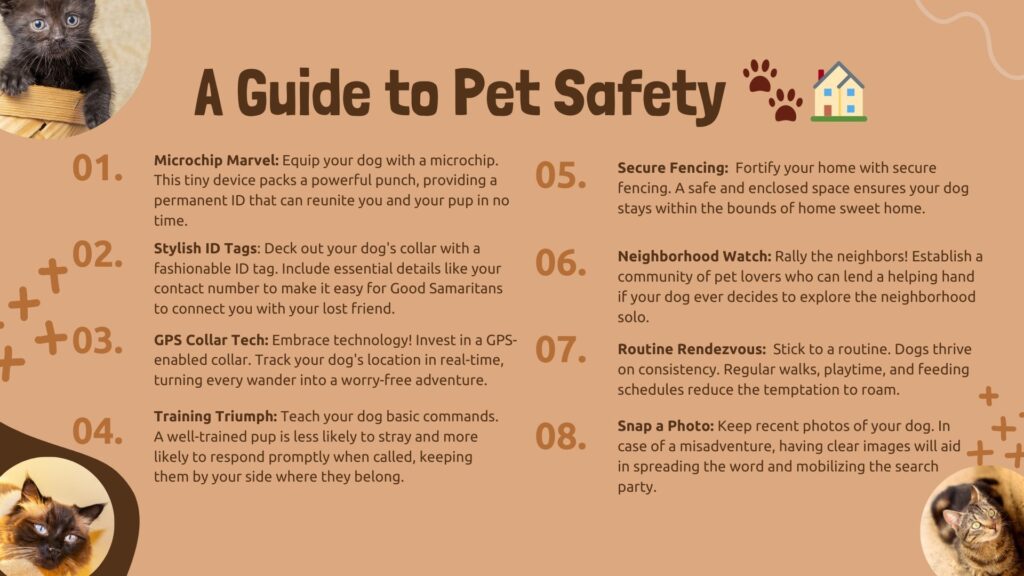
Never Lose Your Best Friend Again: A Guide to Pet Safety 🐾

Losing a furry family member can be heart-wrenching. Fear not! Follow these simple steps to ensure your dog is never lost again:

  1. Microchip Marvel: Equip your dog with a microchip. This tiny device packs a powerful punch, providing a permanent ID that can reunite you and your pup in no time.
  2. Stylish ID Tags: Deck out your dog’s collar with a fashionable ID tag. Include essential details like your contact number to make it easy for Good Samaritans to connect you with your lost friend.
  3. GPS Collar Tech: Embrace technology! Invest in a GPS-enabled collar. Track your dog’s location in real-time, turning every wander into a worry-free adventure.
  4. Training Triumph: Teach your dog basic commands. A well-trained pup is less likely to stray and more likely to respond promptly when called, keeping them by your side where they belong.
  5. Secure Fencing: Fortify your home with secure fencing. A safe and enclosed space ensures your dog stays within the bounds of home sweet home.
  6. Neighborhood Watch: Rally the neighbors! Establish a community of pet lovers who can lend a helping hand if your dog ever decides to explore the neighborhood solo.
  7. Routine Rendezvous: Stick to a routine. Dogs thrive on consistency. Regular walks, playtime, and feeding schedules reduce the temptation to roam.
  8. Snap a Photo: Keep recent photos of your dog. In case of a misadventure, having clear images will aid in spreading the word and mobilizing the search party.

Remember!

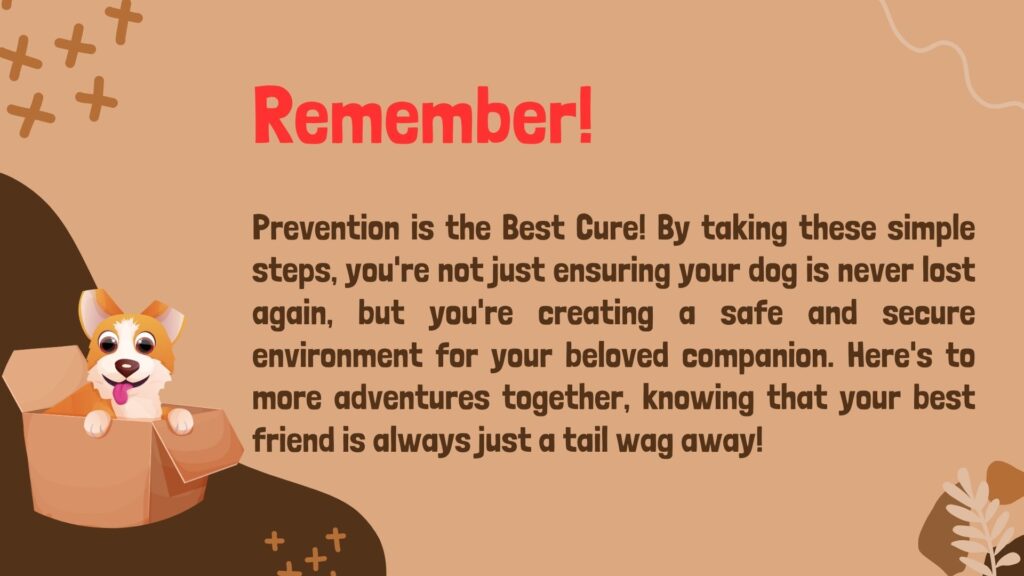
Prevention is the Best Cure! By taking these simple steps, you’re not just ensuring your dog is never lost again, but you’re creating a safe and secure environment for your beloved companion. Here’s to more adventures together, knowing that your best friend is always just a tail wag away!


You may also visit – https://www.facebook.com/angkopparasahayop

Read More
04 Dec
0

Fur-tastic Responsibility: How Pets Shape Responsible Kids!

Fur-tastic Responsibility: How Pets Shape Responsible Kids!

In the world of childhood wonders, pets play the starring role in teaching responsibility. From daily duties to life lessons, having a furry friend transforms kids into responsible, compassionate caretakers.

Let’s explore how the love and care for a pet contribute to the development of responsible, compassionate young individuals.

  • Daily Duties and Routine:

The introduction of a pet brings with it a set of daily responsibilities. From feeding and grooming to walks and playtime, children quickly learn the importance of consistency and routine in meeting their pet’s needs.


  • Empathy and Compassion:

Caring for a living being fosters empathy. Children become attuned to their pet’s emotions, learning to interpret cues and respond with kindness. This emotional intelligence extends beyond the pet, shaping compassionate individuals who understand the needs of others.


  • Accountability for Another Life:

Having a pet relies on understanding the gravity of responsibility. Children grasp that their actions directly impact the well-being of their furry friend, instilling a sense of accountability for another life.


  • Problem-Solving and Adaptability:

Pets, like humans, have unique needs and quirks. Children become adept problem-solvers as they navigate challenges such as behavioral issues or health concerns. This nurtures adaptability and a proactive approach to problem-solving.


  • Time Management and Prioritization:

Juggling school, playtime, and pet care demands effective time management. Children with pets learn to prioritize tasks, developing valuable skills that extend into their academic and personal lives.

  • Understanding the Circle of Life:

As pets age, children encounter the natural cycle of life. Facing the loss of a beloved pet, though heartbreaking, provides an opportunity for children to comprehend the circle of life, fostering resilience and emotional maturity.


The presence of a shapes sense of responsibility, empathy, and lifelong lessons to children. Through the daily rituals of care and the unspoken bond with their furry friends, children emerge not just as pet owners but as responsible, compassionate individuals ready to face the world with a heart full of love and a sense of duty.

You may also visit – https://www.facebook.com/angkopparasahayop

Read More
28 Nov
0

Unleashing the Pack Instinct: Understanding Your Dog’s Social Nature

Unleashing the Pack Instinct: Understanding Your Dog’s Social Nature

Dog’s behavior is well adapted to the need of humans. As a pet they have become our friends and companions, and as a working animal they can be trained to do a wide range of useful tasks.

Dogs have adapted to living with humans and may form strong bonds with their human families, viewing them as their “pack.” Understanding and respecting these natural instincts can contribute to a positive and enriching relationship between humans and dogs.


Here are key aspects of dog pack instinct:

Dog pack instinct refers to the natural and instinctive behaviors exhibited by dogs that are derived from their ancestry as pack animals. Dogs are descendants of wolves, which are highly social animals that live in family groups known as packs. Even though domestic dogs have been living with humans for thousands of years, many of their behaviors are rooted in their pack instincts.


  • Social Hierarchy: In a pack, there is a clear social structure with dominant and subordinate members. Dogs often display this hierarchical structure within a household or a group of dogs. They may establish a pecking order, where some dogs assume leadership roles while others take more submissive positions.


  • Communication: Dogs use body language, vocalizations, and scent marking to communicate within a pack. This communication is essential for maintaining order, signaling submission or dominance, and coordinating group activities. Even in a domestic setting, dogs rely on these forms of communication to interact with other dogs and with humans.


  • Cooperation and Group Activities: Pack animals, including dogs, are naturally cooperative. In a pack, members work together for activities such as hunting, guarding, and caring for offspring. Domestic dogs may exhibit cooperation when engaged in play, exploration, or other shared activities with their human or canine companions.


  • Security in Numbers: Pack animals find safety and security in numbers. Dogs may feel more comfortable and secure when they are part of a group, whether that group consists of other dogs or their human family. This instinct may contribute to behaviors such as seeking closeness or comfort from their “pack.”


  • Territorial Behavior: Packs often establish and defend territories. In a domestic setting, a dog may perceive their home and surrounding area as their territory. This can lead to behaviors like marking, patrolling, or guarding.


It’s important to note that while pack instincts play a role in canine behavior, individual dogs can have varied temperaments and may not strictly adhere to pack dynamics.

You may also visit – https://www.facebook.com/angkopparasahayop

Read More
21 Nov
0

When Paws Meet: The Magical Harmony of Cats and Dogs

When Paws Meet: The Magical Harmony of Cats and Dogs

In a world sometimes divided, the unity of cats and dogs stands as a heartening example of the beauty that arises when differences are embraced. Unravelling the secrets behind why cats and dogs unite, creating a harmony that warms the coldest noses and melts even the toughest of whiskers.

  1. Shared Territory, Shared Hearts:

Cats and dogs, once believed to be natural adversaries, discover the art of sharing. From sunny windowsills to the coziest corners, they learn that a shared space fosters not competition, but a sense of camaraderie.

  1. The Language of Understanding:

While their vocalizations may differ, cats and dogs develop a unique language of their own. A flick of a tail, a gentle nudge, or a soft purr becomes the universal dialect of mutual understanding.

  1. Yin and Yang of Personalities:

In the realm of pets, opposites attract. The quiet introspection of a cat balances the exuberant energy of a dog. Together, they create a harmonious blend of yin and yang, proving that diversity is the spice of furry life.

  1. Play as the Great Equalizer:

Play becomes the bridge that connects paws of different sizes. The chase, the pounce, and the shared joy of a game turn moments of play into bonds of friendship. It’s in these lively interactions that true unity is found.

  1. Lessons in Acceptance:

Cats teach dogs the art of independence, and dogs share the joy of loyalty. Through observation and interaction, they learn to appreciate and accept each other’s unique qualities, creating an atmosphere of genuine companionship.

  1. Unconditional Love Knows No Species:

The heartwarming truth emerges – love is not bound by species. Whether it’s the gentle head-bump of a cat or the wagging tail of a dog, their affection knows no bounds, showcasing that love, in all its forms, is the ultimate unifier.

Cats and dogs demonstrate that unity is not just a human concept. It’s a language spoken by all beings with hearts and paws. So, if you’re a paw parent of a cat and a dog or cats and dogs, you’re doing great and you’re one lucky soul! You’re witnessing a magical symphony where love conquers all differences.


You may also visit – https://www.facebook.com/angkopparasahayop

Read More
15 Nov
0

Sweet Dreams: Decoding Your Dog’s Sleeping Habits

Sweet Dreams: Decoding Your Dog’s Sleeping Habits 🌙🐾


Ever wonder why your canine companion can log so many hours of sleep? While it might seem like they’re in a perpetual state of snoozing, your dog’s sleeping habits are fascinating and play a crucial role in their overall well-being. Let’s take a closer look at why dogs love to catch those ZZZs!


  • Natural Sleepers: Dogs are natural sleepers, and it’s entirely normal for them to sleep anywhere from 12 to 16 hours a day, depending on factors like age, breed, and health.


  • Puppies and Seniors: Puppies and senior dogs tend to sleep more than adult dogs. Puppies need the extra rest for growth and development, while seniors may require additional rest to support their aging bodies.


  • REM Sleep: Dogs, like humans, experience REM (Rapid Eye Movement) sleep, which is crucial for mental restoration and dreaming. You might notice your dog twitching or making soft noises during this stage.
  • Energy Conservation: Dogs are crepuscular animals, meaning they are most active during dawn and dusk. The extra sleep during the day helps conserve energy for these more active periods.


  • Comfort and Safety: Dogs are instinctively cautious creatures. Finding a cozy spot to sleep not only ensures comfort but also provides a sense of security and safety.


  • Napping Masters: Dogs are masters of the power nap. They can quickly transition between sleep stages and often take short naps throughout the day.


  • Routine Matters: Dogs appreciate routine, and having a consistent sleep schedule can contribute to their overall well-being and contentment.

Your dog’s love for sleep is entirely natural and vital for their health and happiness. Whether they’re dozing off on the couch, curling up in their bed, or enjoying a sunny spot by the window, each nap is a way for your furry friend to recharge and be ready for the next adventure. Sweet dreams, furry pals! 🌙🐶❤️

You may also visit – https://www.facebook.com/angkopparasahayop

Read More
13 Nov
0

Tail-Wagging Welcome: Why Your Pup Can’t Contain the Excitement When You Get Home

Tail-Wagging Welcome: Why Your Pup Can’t Contain the Excitement When You Get Home! 🐾❤️


Ever wonder why your furry friend turns into a bundle of excitement the moment you step through the door? That exuberant welcome is more than just a happy greeting; it’s a heartwarming display of your dog’s love and joy. Let’s explore a few reasons behind that enthusiastic welcome!


  • Unconditional Love – Your dog’s excitement stems from pure, unconditional love. They adore you, and your return is a cause for celebration in their eyes.
  • Pack Instinct – Dogs are pack animals, and in the wild, pack members greet each other enthusiastically. Your dog sees you as part of their pack, and the joyous welcome is their way of reinforcing that bond.
  • Routine and Anticipation – Dogs thrive on routine. Your regular comings and goings create a predictable pattern for your pup, and their excitement builds as they anticipate your return.
  • Your Presence is the Best Thing Ever- To your dog, you are the center of their universe. Your return signifies safety, comfort, and the sheer joy of being together.
  • Expressing Happiness – Dogs communicate through body language, and that wagging tail, happy barks, and playful antics are their way of expressing sheer happiness at seeing you.
  • Waiting for Adventure – Your dog might associate your return with fun activities, playtime, walks, or treats. The excitement is their way of saying, “Let the adventure begin!”

That exuberant welcome you receive is a daily reminder of the incredible bond you share with your furry companion. Cherish these moments, revel in the joy, and know that, to your dog, you’re the best part of their day, every day. Here’s to the pure, boundless joy of being greeted by a wagging tail and a heart full of love! 🏡🐶❤️

You may also visit – https://www.facebook.com/angkopparasahayop

#DogLove #WelcomeHome #FurryJoy #DogExcitement #WeShareBecauseWeCare #Angkop #AngAnimalKoProtektado #AngkopParaSaHayop #AngkopMission #AngkopVolunteer #AngkopAnimalRescue #AngkopRescue #pets #dogs #cats #petcare #animals #responsiblepetownership

Read More
07 Nov
0

Grooming for Good Health

Grooming for Good Health

A well-groomed pet is a happy pet! Grooming goes beyond making your furry friend look adorable; it plays a vital role in their overall health. In this post, we’ll share some quick tips on regular grooming and how it positively impacts your pet’s well-being.

  • Skin and Coat Health – Regular brushing removes dirt and loose fur, promoting a healthier, shinier coat. It also helps distribute natural oils, preventing dryness.
  • Early Detection -Grooming allows you to spot unusual lumps, bumps, or skin issues early, so you can seek veterinary care promptly.
  • Bonding Time – Grooming is a bonding experience. It’s a chance for quality time together, reinforcing your special connection.
  • Prevent Matting- Matting can be painful and lead to skin problems. Regular brushing keeps your pet’s coat free from tangles and mats.
  • Paw and Nail Care – Trim your pet’s nails to prevent overgrowth and discomfort. Regular paw checks also help detect foreign objects or injuries.
  • Ear Cleaning – Cleaning your pet’s ears helps prevent infections and keeps them comfortable.
  • Dental Health – Grooming includes dental care. Brushing your pet’s teeth helps prevent dental issues and bad breath.
  • Stress Reduction- Grooming can be a calming experience for some pets, reducing stress and anxiety.

Regular grooming isn’t just about aesthetics; it’s a cornerstone of your pet’s well-being. By dedicating time to grooming, you’re not only keeping them clean and comfortable but also proactively looking out for their health. Enjoy these moments with your pet and watch them thrive, both inside and out! 🐾❤️

#PetGrooming #PetHealth #HappyPets #PetWellness


You may also visit – https://www.facebook.com/angkopparasahayop

Read More
06 Nov
0

The Purr-fect Balance: The Importance of Weight Management for Your Pets

The Purr-fect Balance: The Importance of Weight Management for Your Pets

Weight management is not just about appearance; it’s about ensuring your pet’s longevity and quality of life. By maintaining a healthy weight through proper nutrition and regular exercise, you’re providing your pet with the gift of a longer, happier, and more active life. Let’s embark on this journey together, one pawprint at a time. 🐾❤️

Today, we’re diving into a topic that affects the health and happiness of our pets: weight management. Just like in humans, maintaining a healthy weight is crucial for your pet’s overall quality of life. In this post, we’ll explore why weight management is vital and provide practical tips to help your pets lead long, active, and healthy lives.


  • The Health Risks of Excess Weight: Extra weight in pets can lead to a range of health issues, including diabetes, arthritis, heart disease, and respiratory problems.
  • Ideal Body Condition: Understanding your pet’s ideal body condition and weight is the first step in their weight management journey. Consult your vet for guidance.
  • Nutrition Matters: Feed your pet high-quality, well-balanced food in appropriate portions. Consult with your veterinarian to determine the right diet for your pet’s age, breed, and lifestyle.
  • Regular Exercise: Engage in daily physical activity with your pet. Regular exercise helps maintain a healthy weight and keeps them mentally stimulated.
  • Monitoring and Regular Weigh-Ins: Keep track of your pet’s weight and body condition with regular weigh-ins. This helps you make timely adjustments to their diet and exercise routine.
  • Healthy Treats: Choose healthy, low-calorie treats or offer small pieces of fruits and vegetables as rewards during training.
  • Avoid Table Scraps: Resist the urge to share human food with your pet, as many of these foods are high in calories and not suitable for them.
  • Slow, Steady Progress: Weight loss should be gradual to ensure your pet’s safety and well-being. Rapid weight loss can be harmful.
  • Seek Veterinary Guidance: If your pet is overweight or obese, consult with your veterinarian. They can provide a tailored weight management plan.
  • Pet Support Groups: Connect with other pet owners who are also on a weight management journey. Share experiences, tips, and encouragement.

Visit your veterinarian as early recognition, diagnosis, and treatment are essential.

You may also visit – https://www.facebook.com/angkopparasahayop
Read More
27 Oct
0

Is Your Dog Reactive or Aggressive? Understanding and Addressing Canine Behavior

Is Your Dog Reactive or Aggressive? Understanding and Addressing Canine Behavior

We’re here to explore a crucial topic that many dog owners face: understanding and addressing reactive or aggressive behavior in dogs. While these behaviors can be challenging, they are often rooted in fear, anxiety, or past experiences. This content aims to help you recognize the signs, understand the causes, and provide guidance on how to manage and improve your dog’s behavior.

What Is Reactivity and Aggression?

Reactive behavior: Reactivity in dogs refers to an exaggerated response to a stimulus, often resulting in barking, lunging, or growling. It’s often rooted in fear or anxiety.

Aggressive behavior: Aggression is more intense and may involve physical harm to another animal or person. It’s a complex issue with various underlying causes.


Recognizing the Signs:

Reactivity signs: Watch for signs such as excessive barking, pulling on the leash, or raised hackles when your dog encounters other dogs or people.

Aggression signs: Aggressive behavior can include growling, snarling, snapping, or biting. These signs are usually associated with an intent to harm.


Common Triggers:

Identify common triggers for your dog’s reactivity or aggression, which may include fear of strangers, past trauma, resource guarding, or territorial behavior.


Understanding the Causes:

Often, reactivity and aggression stem from fear, anxiety, or insecurity. Understanding the root cause is crucial to addressing the issue effectively.


Seeking Professional Help:

If you’re dealing with aggressive behavior, consult with a professional dog trainer or a veterinary behaviorist. They can create a tailored behavior modification plan.


Positive Reinforcement:

Utilize positive reinforcement training techniques to encourage good behavior and create a more positive association with triggers.


Gradual Exposure:

Gradual exposure to triggers in a controlled environment can help desensitize your dog and reduce their reactivity or aggression.


Patience and Consistency:

Behavior modification takes time. Be patient, stay consistent, and celebrate small victories along the way.


Safety Measures:

Ensure the safety of your dog and others. Use a muzzle or other safety equipment as recommended by a professional.


Remember:

Reactive and aggressive behavior can often be managed and improved with the right approach and support. Don’t give up on your dog – seek professional guidance and be an advocate for their well-being.


Understanding and addressing reactivity or aggression in your dog is a journey that requires patience, compassion, and professional guidance. We hope this content helps you on the path to a happier, healthier, and more well-adjusted canine companion. Feel free to share your experiences and insights in the comments, and let’s support one another in this challenging but rewarding journey. 🐾❤️


You may also visit – https://www.facebook.com/angkopparasahayop
 

#DogBehavior #Reactivity #Aggression #DogTraining

Read More